CTNC partners to help shape Princeville’s resilient future

N.C. State’s Coastal Dynamics Design Lab Prepares a “Floodprint” in cooperation with the Town of Princeville. 

When CTNC shares resources, funding and expertise to help communities, we can create tangible change across the state. That’s exactly why we have partnered to co-create a vision for a resilient future for the citizens of Princeville, N.C.

Princeville, which is nestled just southeast of a bend in the Tar River, has been devastated by flooding for 100 years. A number of efforts over the years have outlined options for the town, but few have been community-driven and come through with committed resources.  That is where CTNC and our partners within the Common Ground collaborative come in. We found that researchers at North Carolina State University had earned the trust of the community through some community processes after Hurricane Matthew hit the town in 2016. They also had a model approach to planning that fit our vision and the town’s needs.

So CTNC and our partners garnered funding to support N.C. State’s Coastal Dynamics Design Lab in preparing a “Floodprint” in cooperation with the Town of Princeville. A Floodprint is a robust guide to strategic resilience planning – designed to achieve four goals: 1. to mitigate the impacts of flooding in Princeville, 2. to allow the public to access community assets, 3. to engage the local community, 4. and to create “excellent” design in the town. It is as much a process as a product.
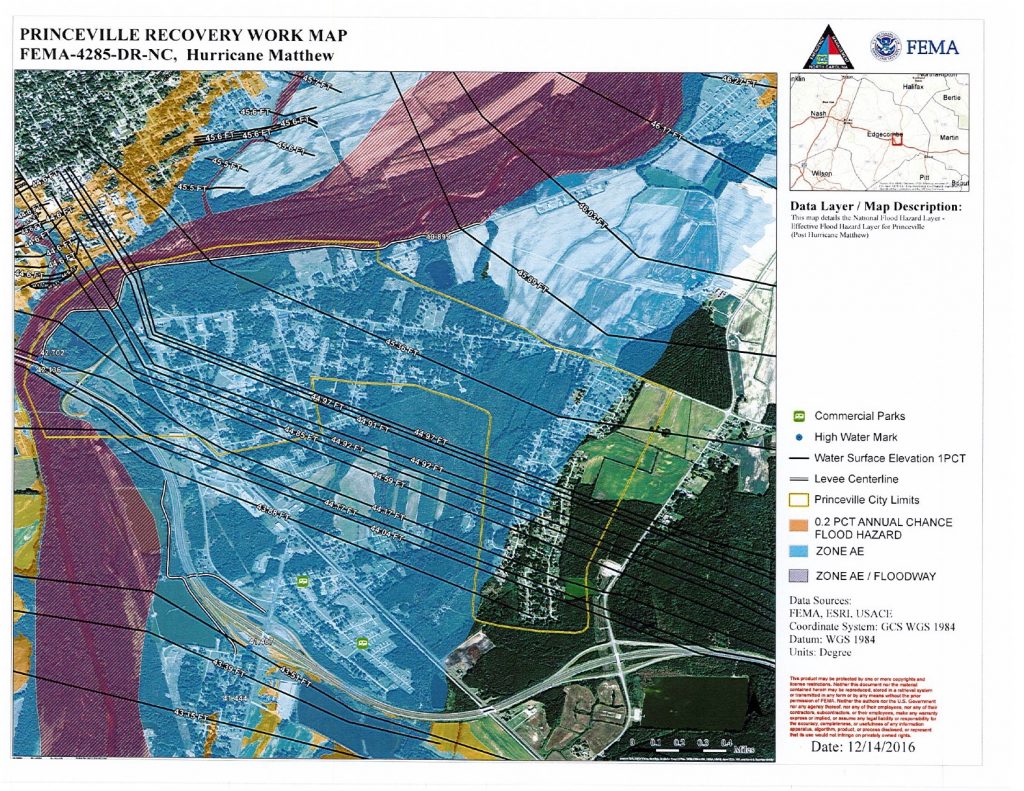
This map details the flooding problem that devastates Princeville every year

Resilience planning is about being mindful of potential flood risk where areas have been historically impacted. When city and community planners develop strategies to assess and mitigate flood risk, they can develop a road-map to rebuild in a way that minimizes the damage to homes and other structures when flooding inevitably occurs again. 

A story of resilience for people, place, and culture. The challenges posed by the frequency and strength of hurricanes impacting communities across Eastern North Carolina are daunting for years after the water recedes. Due to its location in the crook of the Tar River, these flood events have left Princeville’s homes, schools, churches, and the Town Hall completely devastated. Princeville has been rebuilding for years, welcoming its people back home.  In January 2020, after a three-year hiatus, a newly renovated and flood-proofed Princeville Elementary School reopened to its approximately 200 students.

According to the N.C. State scientists leading the project, Andy Fox, Travis Klondike, and Madalyn Baldwin, the Floodprint project is “focused on design and programming strategies for celebrating and building community capacity around cultural and heritage-based tourism.” 

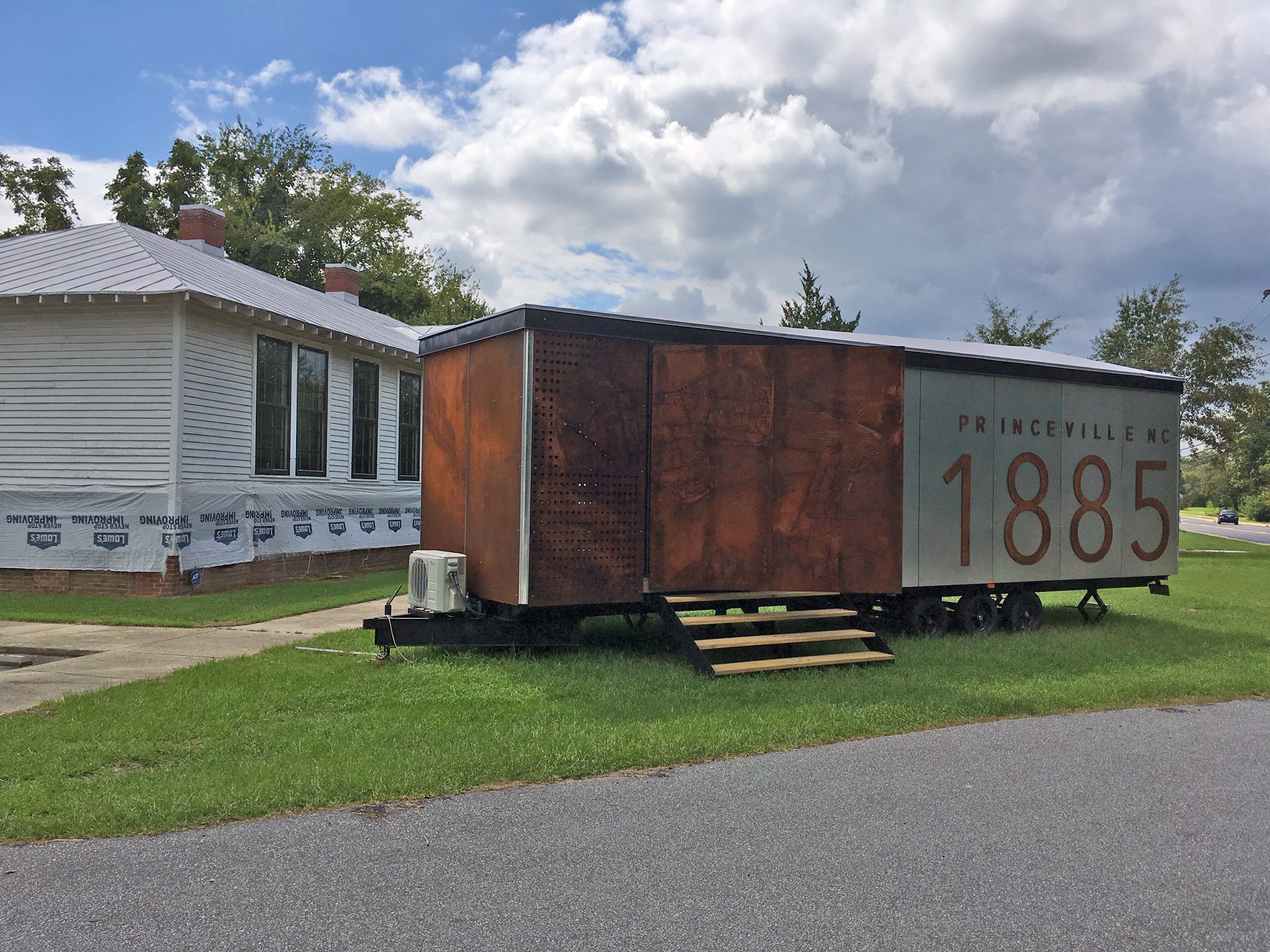
Cultural and heritage-based tourism is right. Princeville is filled with places that educate us all about its rich history and culture. From Freedom Hill, where formerly enslaved people first heard of their legal release from bondage, to a cemetery and numerous schools, those who’ve called Princeville home over the years treasure that material legacy.  Previous work by N.C. State students resulted in the construction of a mobile museum to share and protect the town’s historical legacy.

‘All great achievements require time.’

Maya Angelou

Princeville Town Manager Dr. Glenda Lawrence-Knight draws on this quote when referring to the budding relationship with CTNC. “Partnering with Chris Canfield and his team has been very uplifting. Despite it being challenging, it is understood that recovery is a process. A process that requires patience, time, energy and efforts toward great achievements.”

Dr. Knight added, “CTNC continues to mutually share with the Town in the recovery process of auspicious outcomes. Out of many, the most critical contribution is the immediate benefits of the floodprint plan that will grant the Town an opportunity to build a firm foundation with specific recovery guidance, address and tackle challenges during the research phase, promote collaboration, increase buy in into a shared vision for the future, ignite revitalization and most importantly, generate citizenship morale with recovery resilience. So, to this partnership derives greater hope, a clearer vision, resources, and results.“
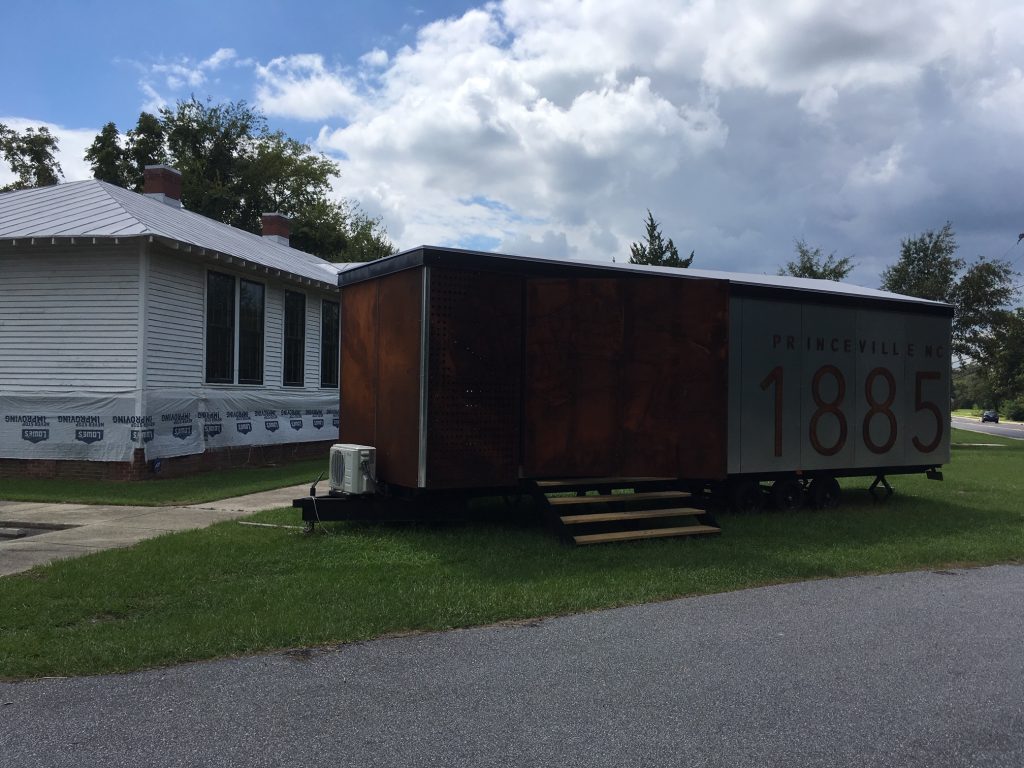
The Floodprint process is underway and expected to be finished in the fall of 2021. As it has already done, the project will continue to press forward with the approval, input and collaboration of community stakeholders and leaders.

“Princeville, for much of its history, has been so concerned about survival that historic preservation has been almost impossible,” said the Town of Princeville in an online statement. “Maybe the recent spotlight on Princeville will encourage the public (and potential funders) that the town is worth preserving.” 

Those words already seem to be ringing true. In January 2020, the town got word of $40 million in federal funding to improve levees around the town.  That work won’t solve all the threats faced by the town but it will likely encourage further investment to protect its history and future.

As an organization, CTNC’s board, staff, and partners are committed to standing alongside our Princeville friends as we work collaboratively to achieve lasting community resilience. Climate resilience is part of our lifeblood, as is community enhancement and the betterment of all people, especially those who have been traditionally excluded from the benefits conservation provides. We’re inspired and honored to continue this journey at the banks of the Tar River. 


The Floodprint effort is made possible with generous funding by Z. Smith Reynolds Foundation and Duke Energy Foundation in partnership with The Conservation Fund and CTNC. If you are inspired by our community resilience work and want to make an investment in this future, please consider making a gift.
Asheville Watershed

CTNC Seeks Public Comments for Accreditation Renewal

Conservation Trust for North Carolina is pleased to announce it is applying for renewal of its accreditation status. 

The Land Trust Alliance accreditation program recognizes land conservation organizations that meet national quality standards for protecting important natural places and working lands forever. CTNC became accredited in 2009 and successfully renewed its status in 2014.  We are now seeking renewal for a second time.

The Accreditation Commission invites public input and accepts signed, written comments on pending applications.  Comments must relate to how Conservation Trust for North Carolina complies with national quality standards & practices.  These standards address the ethical and technical operation of a land trust.  They are based on the following indicators:

About Land Trust Accreditation

The Land Trust Accreditation Commission, an independent program of the Land Trust Alliance, conducts an extensive review of each applicant’s policies and programs.  Accreditation status is important to CTNC, as it strengthens our organization and fosters public trust in our work.

  • Responsible governance of the organization;
  • Protection of the public interest with sound and sustainable land transactions and stewardship;
  • Ethical operations;
  • Accountability to donors and the public; and,
  • Compliance with all laws, such as IRS Code §170(h) and §501(c)3.

Review the full list of standards.

To learn more about the accreditation program and to submit a comment, visit www.landtrustaccreditation.org, or email your comment.  Comments may also be mailed to the Land Trust Accreditation Commission, Attn: Public Comments: 36 Phila Street, Suite 2, Saratoga Springs, NY 12866.

Comments on CTNC’s application will be most useful by February 24, 2020.

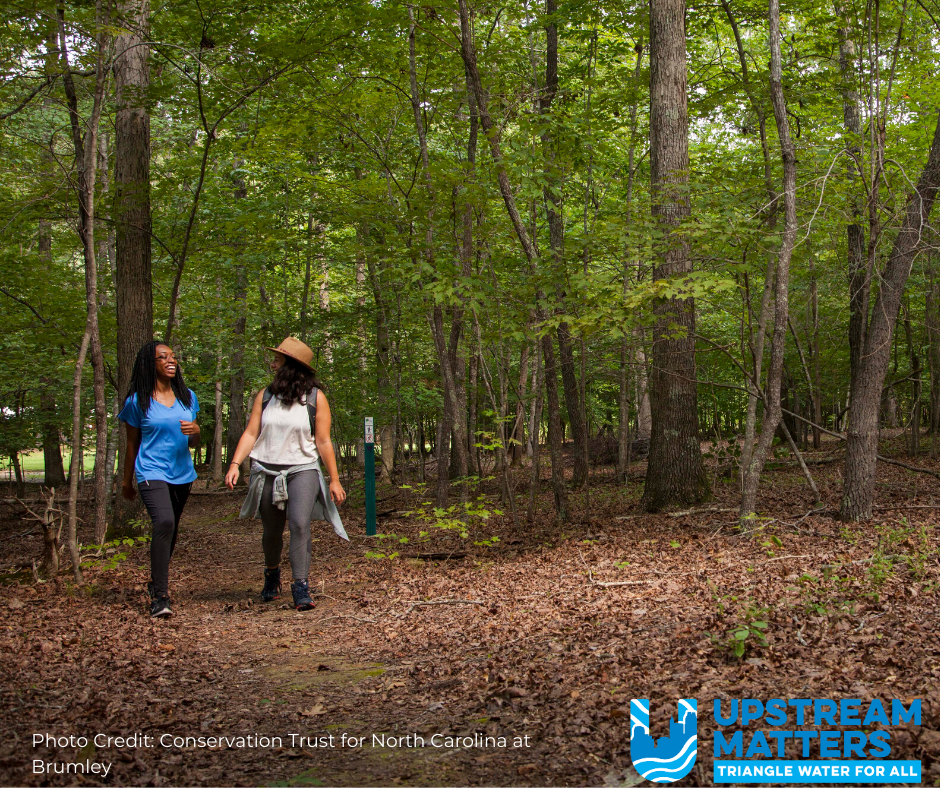
Are You Ready to Go Upstream?

Learn all about a new initiative to keep water sources around the Triangle safe and useable!

It’s because of clean water that small businesses can thrive, local farms are nourished and, above all, we all have clean water to use, drink and play in. So, how can we ensure it remains clean? To answer that, we have to look upstream.

Whether you need water to wash your dog or to have a nice refreshing drink, the one thing we all know is that our water needs to be clean. Clean water is a vital part of our everyday lives and through Upstream Matters, we can bring greater awareness to Raleigh’s water sources so we can keep it safe and clean for our communities. One of these water sources comes from the Upper Neuse River Basin, and making sure it’s well protected keeps our water clean for eating, drinking and playing.

Thankfully, there are programs and partnerships like the Upper Neuse Clean Water Initiative that work with local and state governmental agencies and landowners to keep our water clean and healthy.

Thanks to City of Raleigh water ratepayers, an average of about 57 cents of their water utility bill goes toward funding those programs that ensure our water remains clean.

Regardless of what your use for water is, you can be assured there are organizations actively working together to keep the upstream clean – and together we can continue to make it possible for them.

To learn more about why Upstream Matters, visit upstreammatters.org.

Upstream Matters is a collaborative campaign made possible by the Upper Neuse Clean Water Initiative partners including Conservation Trust for North Carolina, Ellerbe Creek Watershed Association, Eno River Association, The Conservation Fund, and Triangle Land Conservancy. 

Bikes, Water & Conservation

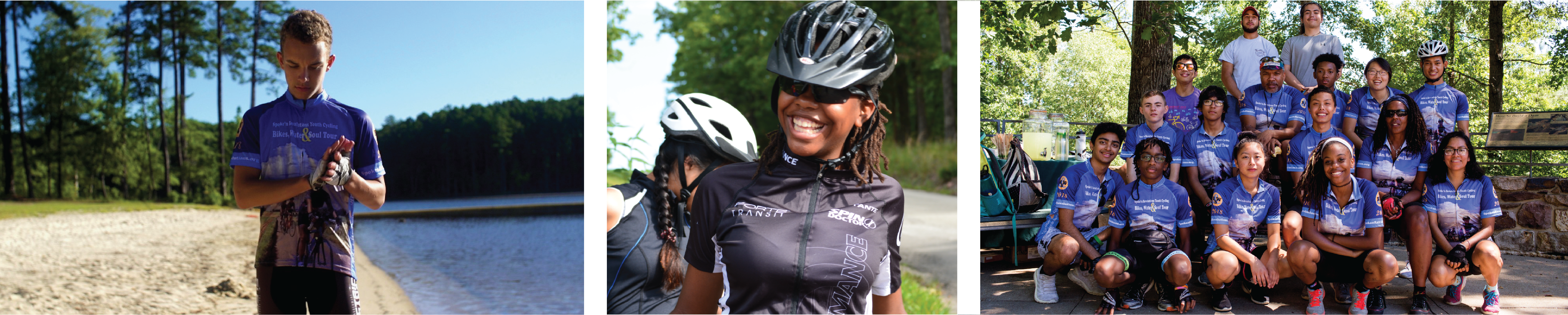
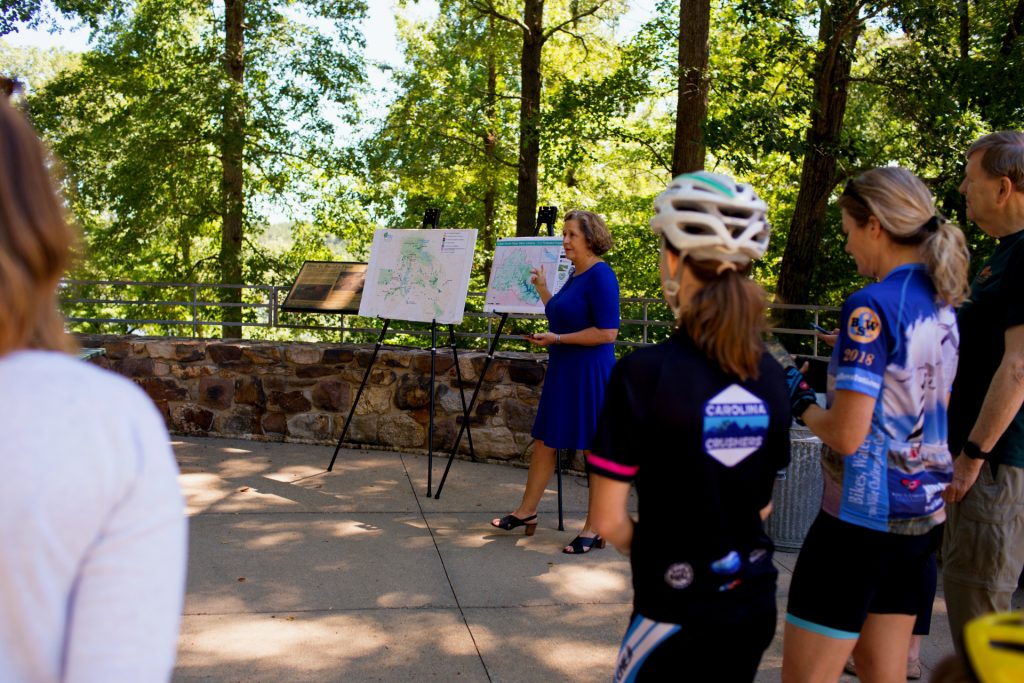
A group of young bikers engage in community, conversation and reflection along the Neuse River

If you can say you’ve biked 700 miles in 14 days, you’re in a pretty elite group. Last summer, 14 young adults accomplished that extraordinary feat as part of Triangle BikeWorks’  Spoke’n Revolutions “Bikes, Water & Soul” tour. Following the path of the Neuse River from its headwaters in Durham to the Atlantic coast, the teens explored some of our state’s robust natural resources ? as well as its complex cultural heritage for people of color.

A video celebrating the “Bikes, Water & Soul” tour and all the young riders who took part in the journey

Triangle Bikeworks, a group that encourages youth of color to build community and courage through cycling programs, ?collaborated with Conservation Trust for North Carolina and Triangle Land Conservancy to take teens on the trip of a lifetime. Along the way, riders visited historical sites and spaces preserved by North Carolina land trusts. They also reflected on the connection between land, water and community resilience. 

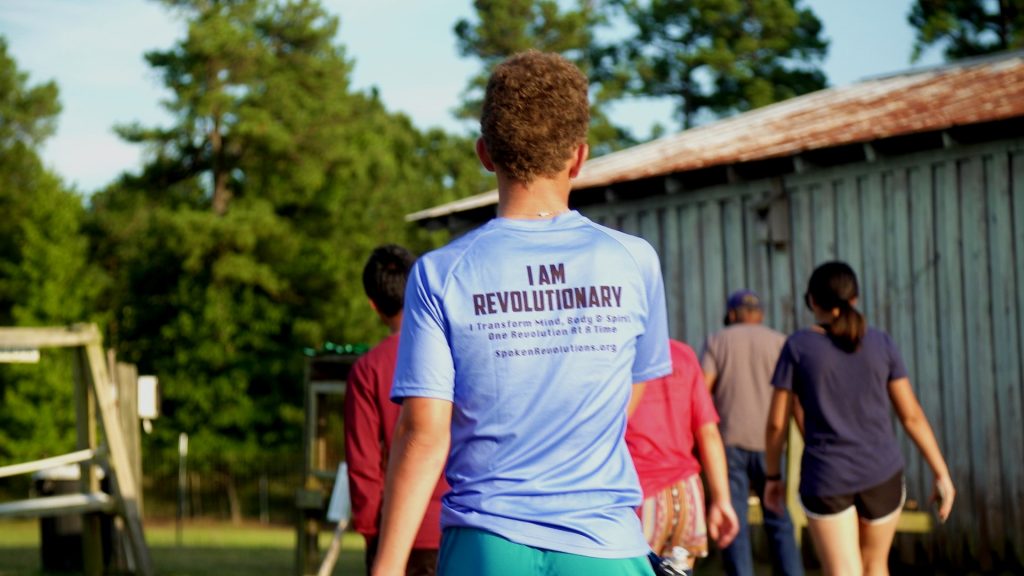
A Triangle Bikeworks rider sports an “I am Revolutionary” tee shirt to commemorate Spoken Revolutions and the bike tour.

The CTNC team was proud to work with the young riders and help empower them to protect the land and water in their local communities. We understand that, in order to serve all communities through land conservation, we must invest in the power of people. ??

Throughout the ride, the riders visited cultural and natural heritage sites along the Neuse River. They reflected on the complex relationships between land, water and people in the American south. 

Triangle Bikeworks riders learned about natural heritage along their journey.

Itza, a tour coordinator with Triangle Bikeworks, calls these types of trips “bike therapy.” ?☀️

“There’s a lot of reflecting,” she says, “And sometimes you’re processing things you didn’t even know you had to process.”

Cindy, a student who participated in the bike tour, says it was an experience in independence. 

“A lot of my life has been doing what other people expect of me, like taking AP classes or trying out some clubs that I’m not really interested in,” she said during the tour. “This is something I really want for myself.”

Coach Lisa, a volunteer with Triangle Bikeworks, put it best:

“You guys don’t even realize how amazing you are,” she told the team of students. “Nobody’s going to push you, nobody’s going to pull you. Every hill, every valley, you’re going to be by yourself.” 

The Spoke’n Revolutions tour is only the start. We’d love to keep you updated on future CTNC partnerships and collaborations through our emails. So what are you waiting for? Get your hands dirty!??‍♂️?

Thunder Hill Overlook, Watauga County

229-acre Thunder Hill Overlook Property Conserved

UPDATE: In 2022, CTNC donated the Thunder Hill Overlook property to the National Park Service. This donation allows for the expansion of the Blue Ridge Parkway boundary and will be held in conservation protection in perpetuity.

Conserved land will protect the headwaters that provide drinking water for nearly 1 million North Carolinians downstream of the Yadkin River.

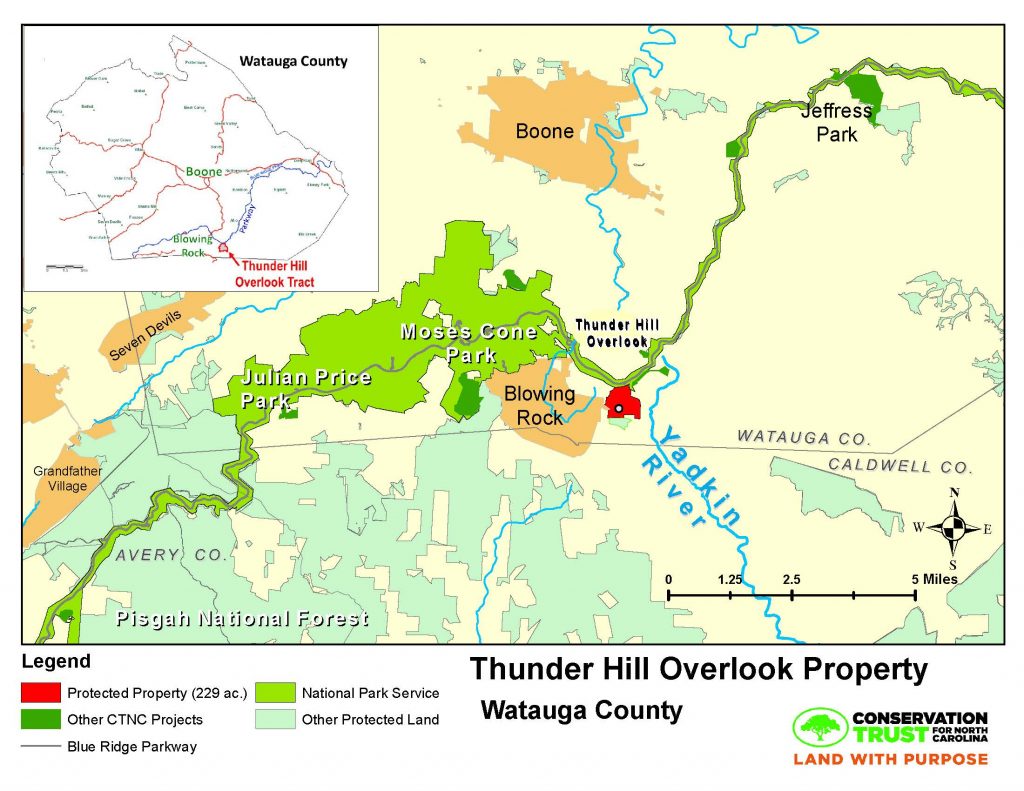
Thunder Hill Overlook, a 229-acre tract of land on the outskirts of Blowing Rock, N.C., will be permanently free from subdivision, development and logging after being acquired by the Conservation Trust for North Carolina (CTNC). CTNC will donate the Watauga County property to the National Park Service (NPS) for incorporation in the Blue Ridge Parkway park boundary.

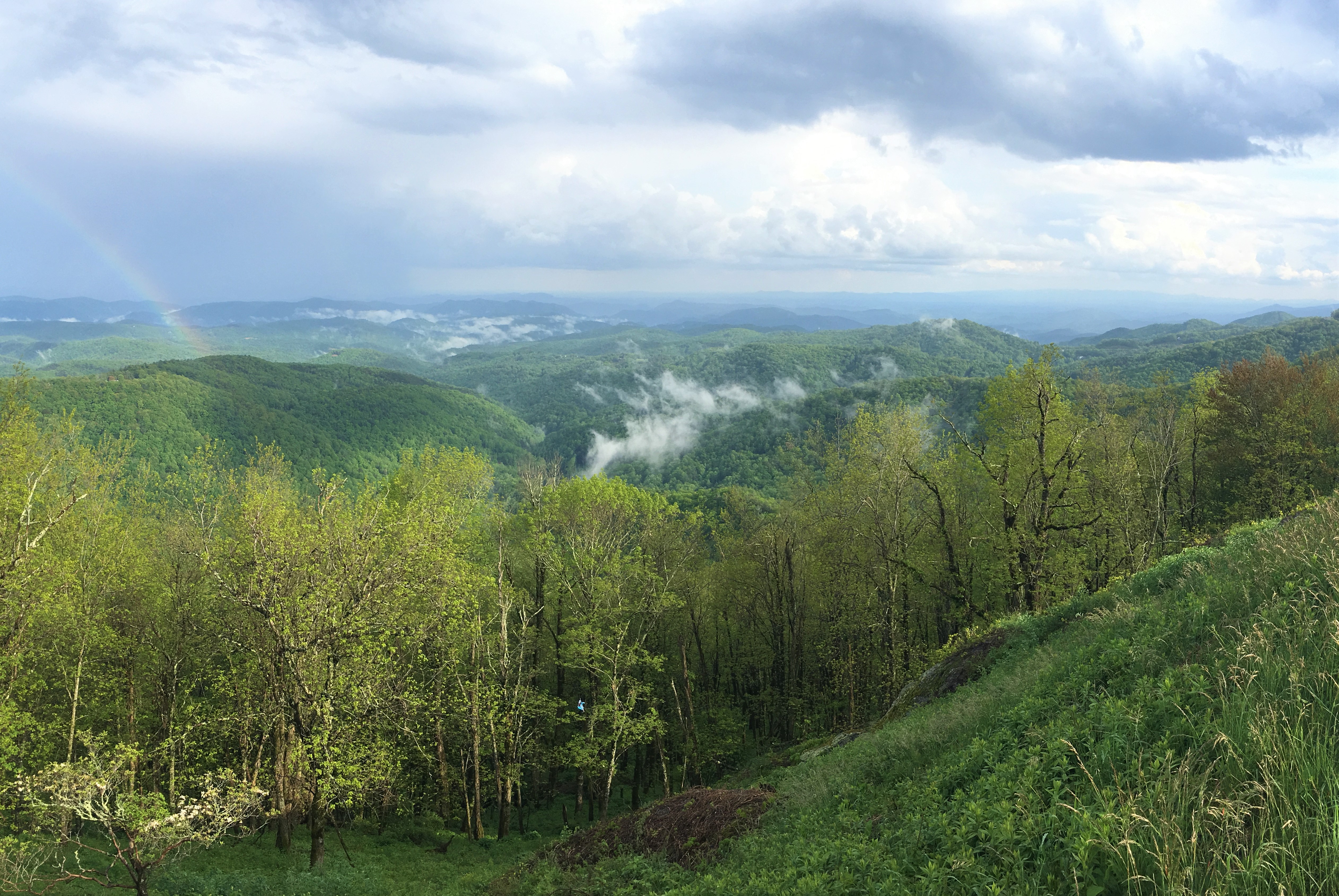
The Thunder Hill Overlook property is highly visible from the Blue Ridge Parkway between mileposts 290 and 291, and can be viewed from both the Thunder Hill and Yadkin Valley overlooks. This is a significant acquisition for the region with numerous unnamed streams and Martin Branch, one of the primary streams forming the headwaters of the Yadkin River.

“As the surrounding towns of Boone and Blowing Rock continue to grow, conserving parcels of this significance is increasingly important. The land not only supports significant wildlife habitat, but also holds the headwaters of the Yadkin River, a water system that supplies provides drinking water to almost one million North Carolinans across 21 counties and 93 municipalities,” said CTNC Executive Director Chris Canfield.

CTNC’s purchase of the property was made possible by a generous price reduction offered by the sellers, Howard B. Arbuckle lll, Corinne Harper Arbuckle Allen, Anne McPherson Harper Bernhardt, Lee Corinne Harper Vason, Mary Gwyn Harper Addison, and Albert F. Shelander, Jr., heir of Betty Banks Harper Shelander, and significant contributions from a number of private donors including Fred & Alice Stanback and other local conservation enthusiasts.

Finley Gwyn Harper, Sr., was born in 1880 near Patterson, Caldwell County, in the scenic Happy Valley area of North Carolina. He grew up in his birthplace with his 5 siblings, and, except for time spent earning his college degree in Raleigh (now N.C. State University), he lived his entire life within 25 miles of Patterson. His grandfather had given land for the founding of Lenoir and many descendants were active in the business, civic, and social activities of northwestern North Carolina. In 1905 when he was 25 years old, Gwyn Harper, Sr., acquired the first of several tracts which form the Harper lands in Blackberry Valley. Two years later, he married Corinne Henkel who also grew up in Happy Valley and Lenoir. Through the years he continued to purchase additional adjoining parcels, some of which were original land grants from the state. The last deeds for his assemblage are dated in the late 1940’s shortly before his death in 1951. Gwyn Harper, Sr., and his wife, Corinne, loved the rolling hills, rivers, ridges, valleys and views of the Blowing Rock area. Their story reflects the sentiments of the extended family who also have treasured these pristine mountain lands and waters. The direct descendants of F. Gwyn Harper, Sr., have continued to hold his acreage for 68 years since his death.

“We, the current owners, are pleased and humbly grateful to convey the Harper lands to the Conservation Trust for North Carolina for protection by the National Park Service as a part of the Blue Ridge Parkway while also providing permanent protection to wildlife and water quality in this beautiful region of western North Carolina,” the sellers shared in a joint statement. “We express our sincere, heartfelt thanks to the Piedmont Land Conservancy, Foothills Conservancy, and, in particular, Conservation Trust for North Carolina for working cooperatively, collaboratively, and professionally to make preserving this unique property a reality.”

For more information on Blue Ridge Parkway land protection efforts visit protecttheblueridgeparkway.org.

###

Conservation Trust for North Carolina works to inspire and enable people to build resilient, just communities throughout our state. We work to conserve land that enhances climate resilience, provides a community benefit, and seeds equity and inclusion in conservation. More information about CTNC is available at www.ctnc.org or @ct4nc on Facebook and Twitter.

For media inquiries related to this project please contact Communications Director Mary Alice Holley.

A Story of Community Resilience

This article originally appeared in Saving Land Magazine.

During the summer, staff of the accredited Conservation Trust for North Carolina visited the small town of Princeville that has been repeatedly devastated by floodwaters. In 1999, Hurricane Floyd caused the Tar River to rise and the town was submerged. In 2016, Hurricane Matthew brought heavy flooding again. Princeville has yet to recover from either catastrophe.

This story is similar to the plight of many towns in North Carolina and across the country. Princeville is unique, though, in being the oldest town incorporated by African Americans in the nation. They were given few options for land on which to settle after emancipation. Since 1885, the people of Princeville have weathered many storms, and not just meteorological ones. Their resilience is deep, yet its limits are strained.

The town lies at the intersection of three issues that have been growing in urgency for CTNC: climate, community and equity.

Every piece of land we hope to protect is being affected by a more volatile climate. Not just hurricanes, as in Princeville, but also droughts, fires, infestations and other extremes. We have already incorporated climate resilience models into our planning. We must go further. Land conservation can help  with the rising climate crisis by storing carbon to reduce long-term effects and by providing increased natural resilience to inevitable changes.

We are inspired by the many land trusts who already make innovative connections between community needs and conservation. We commit ourselves to leading with questions before answers, and to working alongside neighbors often given no voice in decisions affecting them. The process of building trust will take years of work and lots of humility.

Humility also requires us to admit the limitations of conservation. Our system of land ownership and use has too often excluded and disregarded entire communities of people. Again, Princeville is symbolic. Our work must honor the stories of black, indigenous and other people of color who have felt the loss of access to productive land for living, farming and for preserving their heritage. Land is at the core of racial and other inequities. We must ensure that we don’t worsen those realities and ultimately help change the system for the better.

Our staff and board embrace this new strategic vision. It builds on CTNC’s history of bringing together uncommon alliances. Our goal is to conserve land in ways that inspire and enable people to build resilient, just communities. Led by our values, we will continuously learn, share, admit and care.

Many of our plans are new and yet to be verified. So we’ve entered our experiment mindful that it will often be more about how  we work than what  we do.

History dictated that Princeville be in the floodplain of a river. We can’t change history. But, using the power of community and conservation together, we can change the future.

Chris Canfield is the Executive Director of the Conservation Trust for North Carolina. Jamilla Hawkins is Chair of CTNC’s Board of Directors.

Saddle Mountain Meadow, Alleghany County.

Saddle Mountain Projects Expand State Game Lands

UPDATE: In 2022, CTNC donated the Saddle Mountain Meadow acquisition to the National Park Service. This donation allows for the expansion of the Blue Ridge Parkway boundary and will be held in conservation protection in perpetuity.

Conservation Trust for North Carolina purchased a 24-acre tract adjoining North Carolina’s Mitchell River Game Lands and the Blue Ridge Parkway near milepost 222. North Carolina Wildlife Resource Commission (WRC) will accept this property for incorporation into the Saddle Mountain area of Mitchell River Game Lands. This conservation partnership adds to North Carolina’s public lands that support hunting, fishing, and outdoor recreation.

The Saddle Mountain State Natural Area boasts significant natural heritage in Alleghany County. This property includes approximately 14 acres of mixed-hardwood forest and approximately 10 acres of early-successional habitat for species dependent on non-forested, natural land.

Additionally, visitors can enjoy views of this property from the Blue Ridge Parkway. The Parkway continues to be one of the most visited national park units in the country, contributing to the $28 billion annual economic impact brought by the growing popularity of outdoor recreation in North Carolina.

“Expanding North Carolina’s state natural lands creates more places for all North Carolinians to connect with our state’s natural and cultural heritage.” said Chris Canfield, CTNC executive director. “And it is all thanks to the long-term commitment to land conservation by CTNC along with our partners at Piedmont Land Conservancy, the National Park Service, and the Wildlife Resources Commission.”

“CTNC purchased 251 acres on Saddle Mountain and conveyed it to the state in 2005. Since then, CTNC and Piedmont Land Conservancy have protected well over 100 more acres on Saddle Mountain.” said Rusty Painter, CTNC land protection director. “We’re grateful to the landowner, Barney Folger of Marietta, Georgia, who sold this property to CTNC for expansion of the state game land boundary.

The acquisition of Saddle Mountain Meadow was made possible with generous funding by Fred & Alice Stanback, The National Wild Turkey Federation, North Carolina Wildlife Resource Commission, and a local conservation enthusiast.

For more information on Blue Ridge Parkway land protection efforts visit protecttheblueridgeparkway.org.

###

Conservation Trust for North Carolina works to inspire and enable people to build resilient, just communities throughout our state. We work to conserve land that enhances climate resilience, provides a community benefit, and seeds equity and inclusion in conservation. More information about CTNC is available at www.ctnc.org or @ct4nc on Facebook and Twitter.

For media inquiries related to this project please contact Communications Director Mary Alice Holley.

Conserving Whole Communities

CTNC partners with local leaders and nonprofits to create positive change in Princeville 

In 1885, a group of formerly enslaved African-Americans claimed a portion of land in Edgecombe County as their own. It was a somewhat swampy space next to the Tar River that had been largely ignored by their white neighbors. They were a people largely unwelcomed in the county seat of Tarboro, which lay just across the water. The area, now called Princeville, N.C. after a respected freed slave named Turner Prince, became the first town in the U.S. to be incorporated by African Americans. 

The space that African Americans called “Freedom Hill, little more than 1.5 square miles in size, has rightfully obtained a monumental place in the African American cultural memory. But this largely overlooked parcel has experienced two 100-year floods in the last 17 years. The strength of hurricanes Floyd (in 1999) and Matthew (in 2016) caused the Tar River to overflow into Princeville homes, business and community centers. 

The damage caused, and community members displaced, serve as a reminder of racism and inequality that permeates the heritage of North Carolina land and stretches back to the town’s founding more than 130 years ago.

Where Climate, Community and Equity Intersect

Community Development Initiative Tyran Hill discusses how organizations can find common ground to address communities’ needs.

Our work focuses on conserving land that will help communities adapt to a changing climate, seeding equity and inclusion throughout conservation, and working alongside communities to identify where conservation can meet their greatest needs. Each of our guiding priorities intersects within the town of Princeville. 

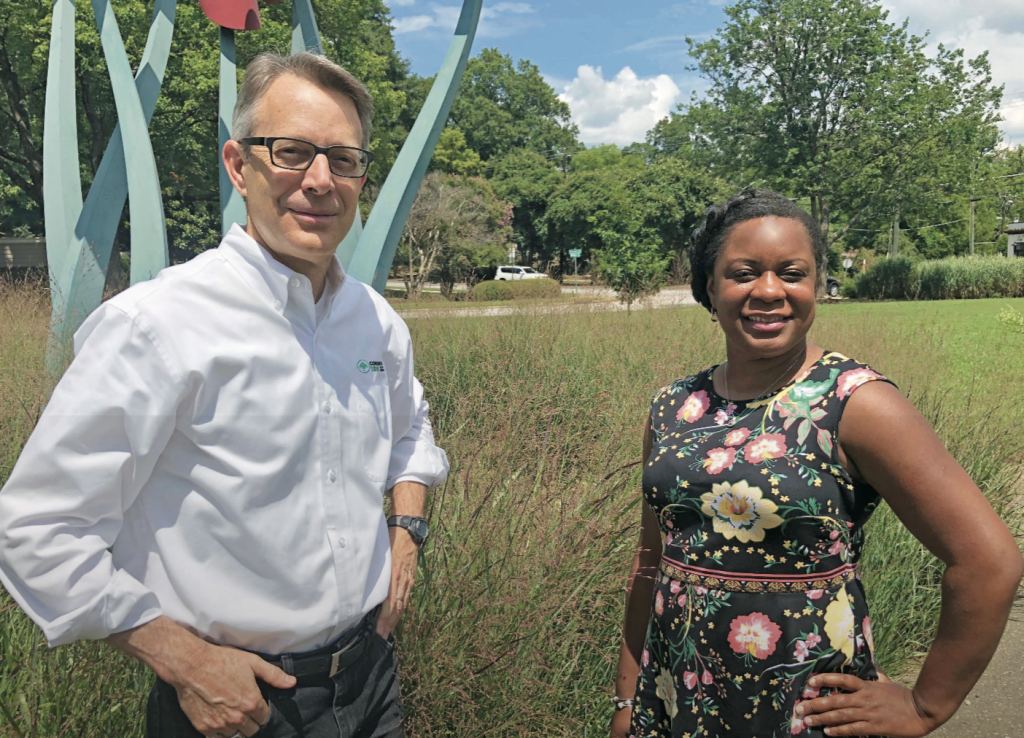
Chris Canfield, left, and Jamilla Hawkins, right

“We commit ourselves to leading with questions before answers, and to working alongside neighbors often given no voice in decisions affecting them.”

— Jamilla Hawkins, Vice Chair of CTNC’s Board of Directors and Chris Canfield, Executive Director of CTNC//

Through the Common Ground collaborative, Conservation Trust will partner with the NC Community Development Initiative and The Conservation Fund to work alongside the Town of Princeville and its people to plan for and eventually deliver smart land conservation.  These efforts must be paired with larger community-driven initiatives aimed at bringing true restoration and resilience to the community. 

By conserving land along this stretch of the Tar River, we can restore some of the natural floodplain of the region. That can help absorb water during flood events that might otherwise inundate homes and businesses.  

We must deliver land conservation in ways that honor the past of Princeville while strengthening its future. We will continually advocate for land access and inclusion and grow our understanding of existing injustices within the conservation sector. And we will support work that further develops the economic, social and cultural assets of the community.

Climate change is sadly inevitable, and the effects of climate change and extreme weather events will continue to impact Princeville and its people.

But Princeville is also a place with deep resilience among the people themselves. We promise to work beside and behind our Princeville neighbors with respect, humility and a willingness to learn. Because each time the water rises in Princeville, it meets a courageous group of people that calls the land “home.” 

Partnerships and collaboration like this emerging one in Princeville can create transformative change to promote a more just and resilient future for all North Carolinians.

Conservation Led by Climate Solutions

Average temperatures are rising. Extreme weather events have become the new normal. Our state has incurred billions of dollars in damages from natural disasters including hurricanes and mudslides. We’re calling for more rational and human approaches to rebuilding communities in a way that readies its people for future disasters.

The land calls us to conserve forests, wetlands, river floodplains and agricultural lands as vital to lessening the impacts on human and natural communities. We will incorporate the long-term implications of climate change throughout our work and help build a more sustainable environment and economy for our state.

Our Commitment: CTNC will partner with communities who can help identify ways their land can better support people and protect them from extreme weather events in the future.

North Carolina needs a sound resilience planning and implementation strategy where solutions benefit those who have been most impacted by climate catastrophes – communities of color and those with limited economic resources. By convening leaders from conservation to community development and affordable housing, to local governments we can conserve land in ways that are safer, healthier and more just for communities and people impacted by climate change.

Conserving land with the best chance to adapt to a changing climate can restore natural protections for communities.

We have a history of conserving places like Waterrock Knob on the Blue Ridge Parkway, informed by sound science and our commitment to furthering climate resilience. Waterrock Knob is the 16th highest ? peak in the eastern US. which will offer a solution for wildlife to migrate as temperatures slowly rise while offering an outdoor recreation destination that attracts millions of hikers and nature enthusiasts to the region.

Our work continues. By the end of this year, we will acquire another 240 acres of forested land at the headwaters of the Yadkin River that hundreds of thousands of North Carolina residents rely on as a source of clean drinking water.

Investing in the power of people

We acknowledge our environment is shifting and we’re facing new challenges. But conserving natural lands can offer new solutions. Won’t you join us in this effort to build resilient communities across the state and address the urgent issue of climate change in North Carolina?

This new journey begins with you.

Save the Green In-Between

The parks, greenways, trails, and overlooks that you love in North Carolina are not there by accident. They are the result of careful, consistent and dedicated conservation efforts happening every day throughout North Carolina. These places are protected in large part because of partnerships between land trusts, government agencies, and lawmakers who appropriate money to fund land and water conservation through the State’s Conservation Trust Funds.

A total of $1.24 billion has been given towards worthy land, water, farmland, and park projects through the Clean Water Management Trust Fund, Parks and Recreation Trust Fund, and the Agricultural Development and Farmland Preservation Trust Fund. ?

If conservation organizations are able to continue our work to preserve the diverse beauty of North Carolina communities – from the rolling mountains of the Blue Ridge Parkway all the way to the sandy dunes of the Atlantic coast – we need you to join us. Take a stand as an advocate for land and water conservation and help conserve the places you’ll love for life. ?

Many land trust-protected properties on our map have been protected thanks to funding awarded by the Clean Water Management Trust Fund and Parks and Recreation Trust Fund. While you’re out discovering the beauty of No. 21 Waterrock Knob; No. 23, The Orchard at Altapass; or No. 105, Springer’s Point Preserve, remember that public funds made it possible for these places to stay wild and green.

Money from the trust funds don’t simply go toward acquiring conserved lands, but it also goes to the continued upkeep and maintenance required. ? Without adequate and consistent funding, park staff will not be able to maintain the infrastructure of already existing parks and recreation areas.

We need your help to continue conserving properties like these.

Join this growing movement. We need you to remind your elected officials that land and water conservation is a priority. ?

North Carolina voters believe land and water conservation are important assets. 77% of registered voters say that protecting the forests is important and 78% say that protecting fishing and wildlife is important. If you agree, now is the time to add your voice to an important cause. Help us cut through the noise surrounding our local lawmakers with a single, resounding cry: Conserve North Carolina Lands.

So many things that we can accomplish in our lifetime are fading – but the land can be forever. If, as North Carolina residents, we want to continue to enjoy the beauty that surrounds us every day, we need to unite and advocate for that beauty. Speak up for the conservation issues close to your heart. 

If we’re not already connected through email, join our action alert network and be notified when we need you to join with us in our mission to protect North Carolina’s diverse beauty and stand with us.

Categories