
Land for Tomorrow Thanks the NCGA For Its Investment in North Carolina’s Conservation Trust Funds 

RALEIGH, N.C. — Land for Tomorrow thanks the North Carolina General Assembly for making a strong investment in the Agricultural Development and Farmland Preservation Trust Fund through the 2026 state budget while maintaining stable funding for the N.C. Land and Water Fund and the Parks and Recreation Trust Fund.
The budget strengthens North Carolina’s long-standing commitment to conservation by investing in three proven programs that deliver lasting benefits to communities across the state.

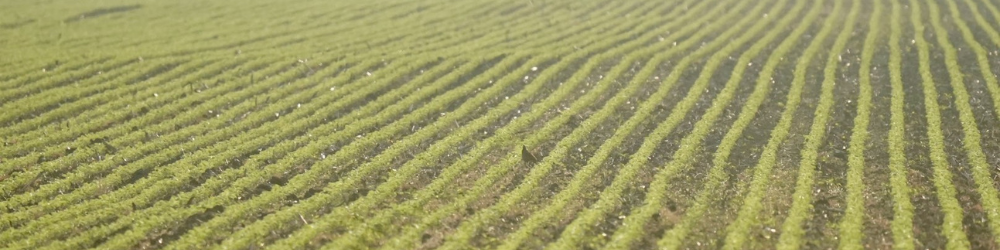
The budget includes $2 million in new recurring funds, $46.9 million in nonrecurring funds, and $200,000 to Henderson County for farmland preservation through the Agricultural Development and Farmland Preservation Trust Fund (ADFPTF), helping farmers protect working lands that sustain North Carolina’s leading industry. Conserving farmland strengthens rural economies, supports food production, and preserves the agricultural heritage that defines communities across the state.

The budget kept the funds steady for the N.C. Land and Water Fund, with an allocation of $28 million, which protects drinking water sources, conserves wildlife habitat, improves water quality, and supports flood resilience while helping local communities preserve the natural resources that drive economic growth and outdoor recreation.

The budget provides for a slight reduction in recurring and nonrecurring funds, bringing the total allocation to the Parks and Recreation Trust Fund (PARTF) to $26 million, helping communities create and improve local parks, trails, playgrounds, and outdoor recreation facilities. These investments improve quality of life, expand public access to the outdoors, and support North Carolina’s $16.2 billion outdoor recreation economy.

“North Carolina’s conservation trust funds represent one of the smartest investments our state can make,” said Kevin Redding, Land for Tomorrow Chair and Executive Director, Piedmont Land Conservancy. “These programs protect the places that make North Carolina special while delivering real returns for taxpayers through cleaner water, stronger farms, thriving local parks, expanded outdoor recreation, and more resilient communities. We are grateful to the General Assembly for recognizing that conservation is an investment in our state’s economy, heritage, and future.”
This year’s budget follows another significant conservation milestone: the extension of North Carolina’s Conservation Tax Credit through 2031 in the NC Farm Act (SB 401). The extension provides landowners with greater certainty as they plan for the future and preserves a proven incentive to voluntarily protect working farms, forests, and other important lands. Combined with strong funding for the state’s conservation trust funds, North Carolina continues to demonstrate that practical, bipartisan conservation policies deliver lasting benefits for communities, agriculture, and future generations. 

For decades, North Carolina’s conservation trust funds have helped leverage dollars to protect millions of acres of land, improve public access to recreation, conserve working farms and forests, safeguard drinking water supplies, and preserve places that define North Carolina’s history and identity.

Land for Tomorrow thanks members of the General Assembly from both parties for their continued leadership and support of these nationally recognized conservation programs. Together, these investments will help ensure North Carolina remains a great place to live, work, visit, and raise future generations.

About Land for Tomorrow

Land for Tomorrow is a statewide coalition dedicated to increasing public funding for North Carolina’s land and water conservation. The coalition is working to protect the lands and waters that support North Carolina’s economy, natural resources, and quality of life. Learn more at https://www.land4tomorrow.org. 
New 2025 NC Conservation Tax Credit 

How Landowners Can Save by Protecting Their Land

After more than a decade, North Carolina has revived a powerful way for landowners to protect the places they love and get something meaningful in return. 

Starting in 2025, the North Carolina Conservation Tax Credit will once again reward landowners who choose to preserve farmland, forestland, wildlife habitat, and other valuable landscapes. The program provides a state income tax credit of up to 25% of the fair market value of donated land or conservation easements. That means landowners can receive a tax break worth up to $250,000 for individuals and $500,000 for C Corporations when they permanently donate qualifying property. Credits received may vary depending on the number of qualified applicants. 

This isn’t just good news for landowners, it’s good news for North Carolina. For thirty years, from 1983 to 2013, this program helped protect over 262,000 acres across our state. It was a smart investment, too: for every dollar in tax credit issued, North Carolina received at least six dollars’ worth of conserved land. Now, thanks to action from the General Assembly, the program is back for qualifying donations made in 2025 and 2026. 

It’s important to know that: All approved applications from the same year will be reviewed at the same time. If the total amount of tax credits requested is more than the $5 million limit for the year, each person will get a smaller share based on what they requested. Donations of farmland and forestland will be given priority for the first $3.25 million in tax credits each year. 

As a proud member of the Land for Tomorrow coalition, Conservation Trust for North Carolina helped advocate for the return of this tax credit. Alongside fellow conservation partners from across the state, we worked to show lawmakers how this program supports farmers, strengthens local economies, and protects the lands and waters that make North Carolina so special. We’re proud to have played a part in bringing this critical tool back to life. 

What Is the North Carolina Conservation Tax Credit?  

The Tax Credit offers a state income tax credit for donations of land or conservation easements made in perpetuity for conservation purposes, such as preserving working farmland, forestland, wildlife habitats, historic landscapes, or providing public access to trails. A landowner interested in the tax credit would begin by contacting a local land trust, nonprofit, or government agency that’s qualified to accept land donations and can assist them with the process. Land must be certified by the NC Department of Natural and Cultural Resources (NCDNCR) that it provides a public benefit before the NC Department of Revenue approves a tax credit. The North Carolina Natural Heritage Program has set up a webpage with details: https://www.ncnhp.org/conservation/conservation-tax-credit  

Who Can Benefit from the Conservation Tax Credit? 

Donations must be made in perpetuity and serve a recognized conservation purpose, such as preserving working farmland or forestland, supporting wildlife conservation, protecting historic landscapes, or providing public access to trails. There are also special provisions for floodplain protection in counties affected by recent natural disasters, as well as for land that buffers military bases and training areas. 

Importantly, the program isn’t first-come, first-served. All eligible, certified applications received for a given year will be considered together, and tax credits will be distributed proportionally if the total demand exceeds the $5 million annual program cap. Donations of farmland and forestland will receive priority consideration for the first $3.25 million in credits each year.  

How to Apply for the NC Conservation Tax Credit 

Although application forms will not be available until mid-July 2025, landowners can begin preparing now. Donations made any time in 2025 will be eligible, as long as applications for certification are submitted by January 15, 2026, and tax credit applications are filed by April 15, 2026. Approved credits can then be used starting in the 2026 tax year, which is filed in 2027. 

It’s essential to note that while the program cannot guarantee the exact percentage of tax credit a landowner will receive, as this depends on the number of applicants, every certified donation will be awarded some level of credit. Protecting land is a reward in itself. You’re preserving something real, something lasting, and something that will benefit your community and our state for generations to come. 

CTNC and the state’s local land trusts work collaboratively to protect land in their respective communities. If your property lies along the Blue Ridge Parkway, please contact CTNC’s Land Protection Director, Rusty Painter, at rusty@ctnc.org. To learn about protecting your property in North Carolina, email the state program at ctc@dncr.nc.gov or refer to the map here to determine which land trust is best suited to protect your land.

Applications and detailed guidance will be available on the NC Natural Heritage Program website in mid-2025. Visit this page for details: https://www.ncnhp.org/conservation/conservation-tax-credit  

The Conservation Tax Credit is a chance to do something big – for your land, for your family, and for North Carolina. Let’s make the most of it. 

Quick Facts: 

  • North Carolina is reinstating the Conservation Tax Credit, which offers a state income tax credit for donations of land or conservation easements made in perpetuity for conservation purposes, such as preserving working farmland, forestland, wildlife habitats, historic landscapes, or providing public access to trails. Additional benefits apply to properties that protect floodplains in disaster-affected counties or buffer military installations. All donations must be permanent and meet state eligibility criteria to qualify. 
  • The North Carolina Conservation Tax Credit allows landowners to claim up to 25% of the fair market value of the donated land or easement.  
  • Individuals can receive up to $250,000 
  • C Corporations can receive up to $500,000 
  • All approved applications from the same year will be reviewed at the same time. It is not first come, first serve.  
  • If the total amount of tax credits requested is more than the $5 million limit for the year, each person will get a smaller share based on what they asked for. Donations of farmland and forestland will be given priority for the first $3.25 million in tax credits each year. 
  • Land and easement donations made any time in 2025 are eligible for the tax credit. 
  • Application forms available: mid-July 2025 
  • Certification deadline: January 15, 2026 
  • Tax credit application deadline: April 15, 2026 
  • Credit usable on 2026 tax return, filed in 2027

To learn more, email the state program at ctc@dncr.nc.gov.  


DISCLAIMER: This blog post is intended for general informational purposes only and does not constitute legal or tax advice. Landowners considering a donation of land or conservation easement should consult with a qualified tax advisor to understand the full implications of their donation and eligibility for the North Carolina Conservation Tax Credit. NC governs the credit. General Statutes § 105-153.11 (for individuals) and § 105-130.34 (for C Corporations). Each land donation is unique, and eligibility, valuation, and final credit amount may vary based on individual circumstances and annual statewide limits. 

Navigating Extreme Weather Events: North Carolina’s Flood Resiliency Blueprint 

In response to increasing climate risks, state leaders will deploy tools to help communities impacted by flooding across the state 

In a state that often experiences the unpredictable forces of nature, North Carolina stands at the forefront of climate resilience with the Flood Resiliency Blueprint – an effort launched by the NC General Assembly and the NC Department of Environmental Quality. Representing the largest statewide flood mitigation investment in its history, this initiative is designed with the goal to revolutionize how communities are resourced to respond and recover to climate change-caused disasters. 

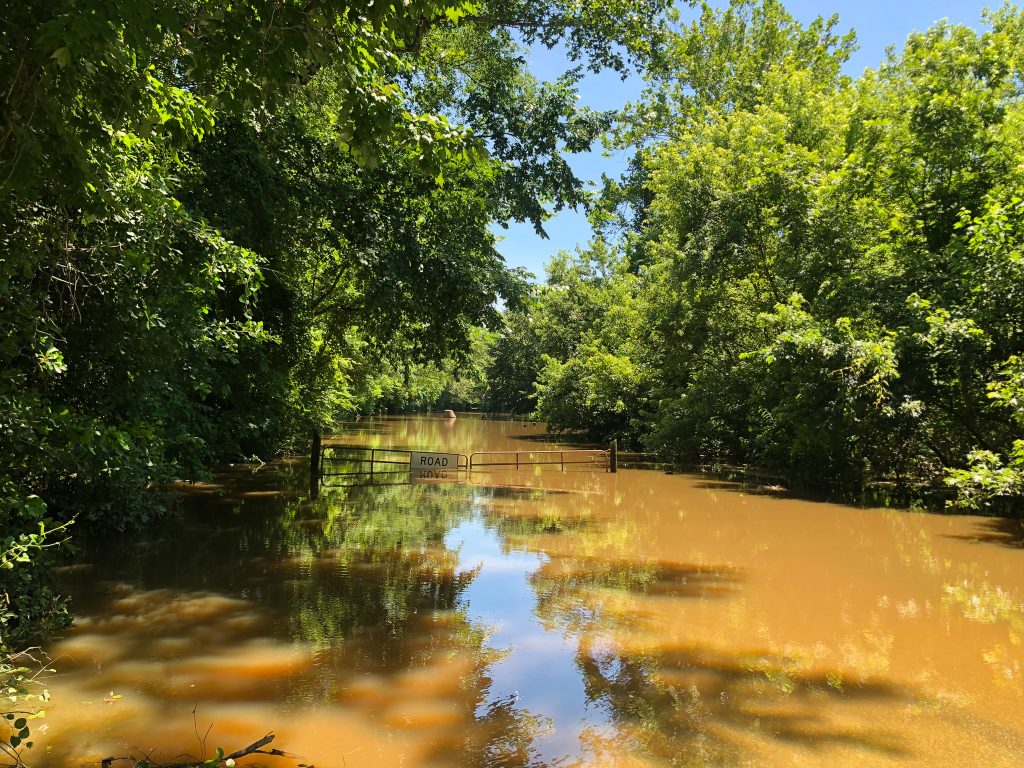
Historic flooding events over the years have left many communities across North Carolina in a state of long-term recovery. Day to day, nuisance flooding challenges towns from the mountains to the coast, disrupts the livelihood of North Carolinians. With the increased severity of rainstorms, flash flooding, hurricanes and extreme weather events, action must be taken to ensure that communities can become more resilient to current and future events.  

Serving as an online decision-support tool, the comprehensive statewide flood resilience blueprint will provide policymakers and stakeholders with the knowledge required when making decisions related to flood management. The tool will allow communities to use this resource to understand adaptation and preparedness for extreme weather events.  

The blueprint aims to reduce North Carolina’s annual losses to lives, property and livelihood because of extreme storms and flooding events, and their overall vulnerability. Another goal of this initiative is to decrease the weight of taxpayer dollars used to rebuild infrastructure damaged in said events. The strategic investments to flood resilience planning in specific areas of the state will benefit multiple departments, including water quality, the local economy, the public health system and outdoor recreation.  

Funds allocated to the NC Department of Environmental Quality by the North Carolina General Assembly allowed this initiative to advance, evolving the project to the next step of involving stakeholders in developing the tool. The blueprint is a culmination of collaboration from local and state agencies, along with CTNC, combining shared resources and knowledge to be utilized on one shared platform for all. The primary objective is to empower decision-makers at each level with the tools and strategies required to mitigate flood risks effectively.  

CTNC is proud to be a part of the planning and implementation of this project with the collaboration of other resiliency-driven organizations.

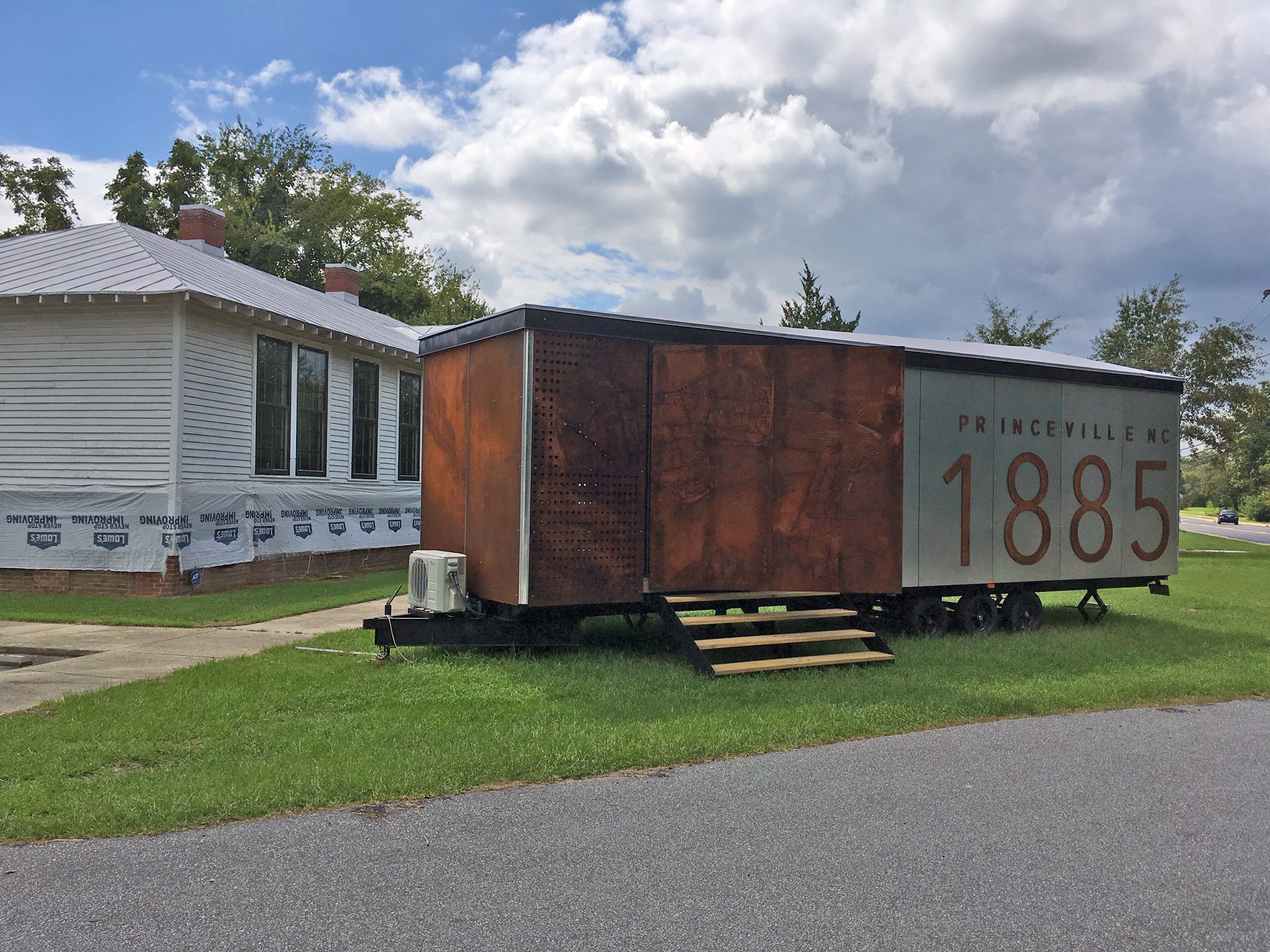
Nuisance flooding is a direct result of a changing climate, where change is needed now more than ever. Combatting the impacts of flooding is an issue CTNC is not new to. In Eastern NC, Princeville, located alongside the Tar River, was hit by Hurricane Matthew in 2016, leaving the town in disarray from flooding. The collaborative partnerships with Princeville after Hurricane Matthew showed that flood resiliency is attainable. The initiative of a statewide action to combat flooding drives CTNC’s goal of fostering community resilience through climate action.  

In response to the flooding events in Edgecomb County, CTNC, in collaboration with NC State’s Coastal Dynamic Design Lab, created the Princeville Floodprint. The goal of this project was to mitigate the impacts of flooding and involve the local community in efforts to strategize and prepare for future flooding events. This project supported state agencies and local leaders to effectively engage in a community resilience framework.  

With the North Carolina Flood Resiliency Blueprint, multiple communities will be offered support like the model created by the Princeville Community Floodprint. Replicating this process on a broader level will allow the project to evolve into a larger, statewide movement with similar seeds of success seen in Princeville.  

As the next steps of the blueprint unfold, the State has identified six river basins to engage more deeply with community and elected leaders to better understand the scope and scale of flood resiliency planning and investments.  

With a clear, unified framework in place, lives and communities will be better prepared and protected from nuisance flooding. North Carolina will serve as the groundwork for the first-of-its-kind flood resiliency program, that could aid other states across the country in preparing for the future of their respective communities.  

State Legislators come through with a conservation win

Help us send a big thank you to North Carolina’s legislators and governor for allocating over $100 million to the conservation trust funds and other conservation projects in the 2023 State Budget. This funding will benefit people and our land for generations to come.

Land and water are economic drivers for our state. Protecting these vital natural resources is essential to North Carolina’s bottom line – boosting spending and providing jobs. Read the press release from the Land for Tomorrow Coalition for a full rundown of the funding allocated to the conservation trust funds.

Land for Tomorrow is a statewide coalition of community leaders, conservation, and wildlife organizations, and parks and recreation advocates with a common goal: increasing land and water conservation in North Carolina. The state’s three conservation trust funds, the North Carolina Land and Water Trust Fund (NCLWF), the Parks and Recreation Trust Fund (PARTF), and the Agricultural Development and Farmland Preservation Trust Fund (ADFPTF) are essential tools that allow state agencies and nonprofit partners to protect North Carolina’s valuable natural resources. 

The Coalition recognizes these conservation heroes who went the extra mile to protect our state’s most loved places. The Land for Tomorrow Coalition applauds the following legislators:

  • Speaker of the House – Representative Tim Moore
  • President Pro Tem – Senator Phil Berger
  • Majority Leader – Representative John Bell
  • Majority Leader – Senator Paul Newton 
  • Appropriation Chairs
    • House: Lambeth, Saine, Arp, Kyle Hall, Strickland, Brisson, Elmore, Faircloth, Jones, Sasser
    • Senate: Jackson, Hise, Lee
  • Subcommittee Chairs
    • House: Dixon, Gillespie, Goodwin
    • Senate: Sanderson, Johnson, Craven

If you have time, please send a thank you note to your local legislators for protecting our state’s natural resources through the budget this year. Their perseverance in protecting this funding should be commended.

CTNC is dedicated to stewarding smart conservation policies for the benefit of North Carolina’s resilient communities. Join us in supporting this important mission.

Making North Carolina’s Land, Water, and Air a Priority

Elected leaders from across our state are gathering in Raleigh to make key decisions that will shape the trajectory of conservation funding, land-use policies, and critical investments in community resilience strategies. Conservation Trust for NC is meeting with decision-makers to advocate for strong conservation policies you care about and to further expand our mission to build resilient, just communities throughout our state.

Our Board, staff, and community partners hope to collaborate with leaders in our state to achieve a range of conservation goals in our upcoming session:

Build Capacity for a Statewide Resilience Service Network
Building on the success of AmeriCorps in bringing new energy to the world of conservation, CTNC is working with partners to launch a statewide Resilience Service Network. This effort is designed to support North Carolina communities seeking to address the impacts of flooding, fire, extreme heat, and other environmental challenges. The Network proposal was informed by the results of a feasibility study completed with funding from the State Service Commission. Over the course of the year, network supporters will begin educating our lawmakers about the opportunity, the funding requirements, and the ultimate benefits to communities throughout the state.

Push for Additional Landowner Protections Through the Uniform Act
Enacting the Uniform Partition of Heirs Property Act (UPHPA) in North Carolina will address how current state laws leave landowners of heirs’ property vulnerable to involuntary land loss. The legislation safeguards families from involuntary partition sales and allows access to beneficial funding and aid programs, including FEMA disaster recovery and the USDA Farm Bill. We believe North Carolina should be the next state to adopt legislation that better protects heirs’ property rights. We strongly believe the UPHPA provides substantial benefits and safeguards to North Carolina families. We join a bipartisan group of conservation organizations, land trusts, family farmland preservation advocates, and more in encouraging the enacting of these protections.

Protect the Conservation Trust Funds
We support The Land for Tomorrow Coalition’s requests to the Governor and the General Assembly to build upon the success of past conservation trust fund allocations. Visit the Land for Tomorrow website to get updates on their requests.

Fund North Carolina’s Trails
Conservation Trust for North Carolina supports recommendations from the Great Trails State Coalition for appropriations to establish the Great Trails State Fund.

Bring Back Funding and Conservation Tax Credit
Conservation Trust for North Carolina supports restoring dedicated funding from state deed excise stamp tax revenues to the Land & Water Fund and Parks & Recreation Trust Fund and restoring the 25% conservation tax credit.

Support Job Expansion and Additional Conservation Staffing
Conservation Trust for North Carolina strongly supports requests by the Department of Natural & Cultural Resources, NC Wildlife Resources Commission, and Department of Agriculture requests for staff to manage the conservation trust funds and to manage new state parks, historic sites, game lands, and state forests.

We’ll need strong voices committed to sharing their commitment to conservation and community resilience throughout this year. Join our advocate network to be alerted about opportunities to support conservation policy-making alongside CTNC and our partners.

Farmland Preservation is Critical for NC

In a recent blog post, NC Commissioner of Agriculture Steve Troxler wrote about the urgency of farmland preservation to help ensure resources for the future, especially as NC is ranked as second in the country for potential farmland loss by 2040:

“Nearly everywhere I travel, development is taking place. As a department, we will continue to rally support for Farmland Preservation efforts so we can secure the natural resources we need for future generations. We cannot afford to wait until we are in a crisis with land loss. We have to have the foresight to understand the long-term needs today, because we know others are eyeing the future and projected population increases.”

Commissioner Troxler: Farmland preservation is critical as North Carolina’s population continues to rapidly grow

The Agricultural Development & Farm Preservation Trust Fund has protected more than 30,000 acres this past year.

We agree that North Carolina should prioritize the preservation of farmland for the health and resilience of communities statewide. The adoption of the Uniform Partition of Heirs Property Act is a vital tool to allow families to preserve their land as it is passed to future generations. Learn more about why and how the Heirs Property reform will make a difference for future farmland and the families who own it.

We may need your voice to help this Act pass the NC General Assembly this year. Become an advocate for conservation so you can share your support when we call!

New Tools Help North Carolina Orgs Set Land Conservation Priorities Amid Climate Change

Conservation Trust for North Carolina and Nicholas Institute designed the tools to evaluate the benefits of natural and working lands to climate resilience, adaptation and mitigation

Conservation organizations and land trusts in North Carolina increasingly view their mission to protect the state’s natural lands through the lens of climate change.

A new pair of online tools aims to help them more efficiently consider how their work could contribute to climate resilience, adaptation and mitigation, as well as deliver other conservation benefits. The tools were created jointly by the Conservation Trust for North Carolina and Duke University’s Nicholas Institute for Energy, Environment & Sustainability.

“North Carolina’s natural and working lands are critical to making our communities and ecosystems more resilient to climate change in the decades to come,” said Katie Warnell, a senior policy associate at the Nicholas Institute who co-led the project. “These tools will help inform decision-making processes for conservation organizations and land trusts by making the best publicly available data on these lands easily accessible without the need for advanced geospatial expertise.”

Natural and working lands—such as forests, farms and wetlands—cover more than 80 percent of North Carolina. They protect water quality and supply, reduce flood risk for communities, provide habitat for pollinators, and much more. These lands—particularly forests—also store carbon in their soils and vegetation, helping to offset greenhouse gas emissions that cause climate change.

The two tools deliver complementary information to organizations looking to preserve new lands, better manage lands they already own or demonstrate their value:

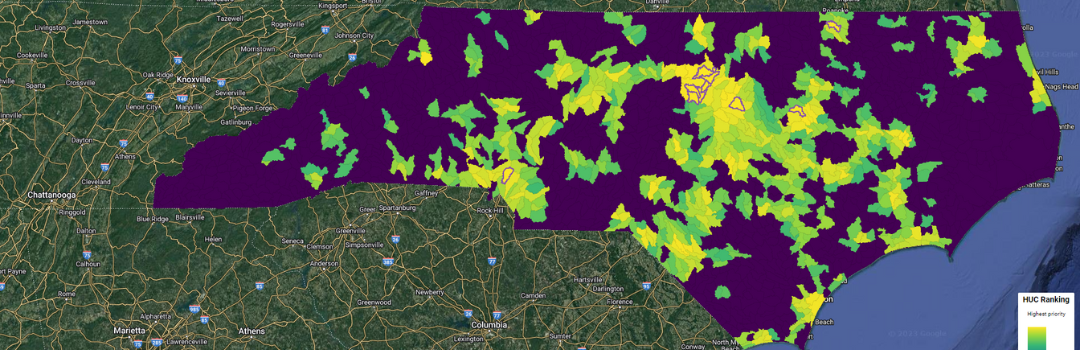
  • The high-level conservation prioritization tool enables users to identify broad areas for conservation action, either within the entire state or by county, river basin or a defined region. The tool prioritizes sub-watersheds with the greatest potential to meet a set of up to 11 conservation metrics selected by the user.
  • The benefits calculator estimates conservation benefits for specific areas of interest, such as individual properties. Organizations could use this information to communicate the benefits provided by currently conserved properties or to support decisions about conserving new areas.

“Land conservation provides so many overlapping benefits to communities,” noted Chris Canfield, executive director of CTNC, “yet documenting and sharing these can be difficult for many organizations. Input from nonprofit and government conservationists has driven this effort to tell a more complete story of our work together.”

The tools use many of the same data sources as recent state planning efforts recognizing the importance of natural and working lands. Those plans include the 2020 Natural and Working Lands Action Plan (part of the NC Climate Risk Assessment and Resilience Plan) and the Coastal Habitat Protection Plan 2021 Amendment. Collectively, the plans are helping to quantify the benefits that North Carolinians currently get from natural and working lands. They also explore additional benefits that could be gained through management actions, such as reforestation or agricultural best management practices.

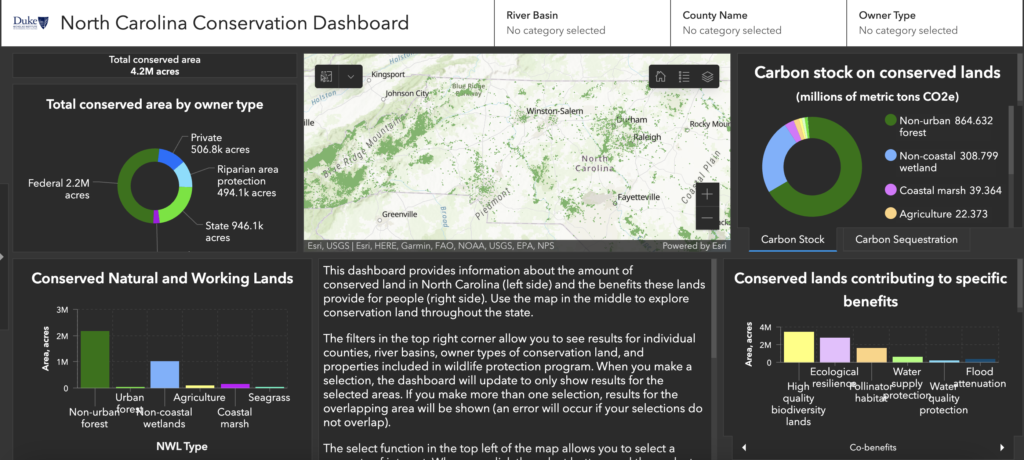
The tools are also part of a growing set of resources from the Nicholas Institute related to natural and working lands in North Carolina. Launched in January 2022, three online dashboards map the benefits of these lands, making detailed data easily accessible to communities, land managers, non-governmental organizations, and the general public. The dashboards allow users to quickly see these benefits by county, river basin or land type:

  • Overview Dashboard – General information about the area and benefits of natural and working lands
  • Conservation Dashboard – Focus on natural and working lands that are protected for conservation purposes
  • Carbon Dashboard – Details about past, current, and potential carbon storage by land type

The NC Conservation Prioritization Tool and NC Conservation Benefits Calculator were designed by recent Duke University graduate Israel Golden, who holds dual master’s degrees in environmental management and forestry from the Nicholas School of the Environment. Support was provided by Open Space Institute and the Land Trust Alliance.

Reposted with permission from the Nicholas Institute

New Map Helps Pinpoint Where Climate Resilience Will Benefit Communities Most

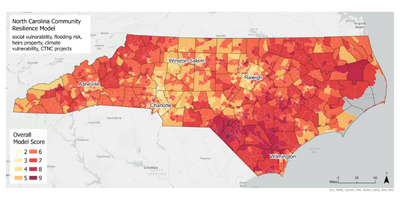
Using GIS technology, CTNC has created a new strategic planning tool – The Community Resilience Model.

This interactive map shows which areas across the state are the most vulnerable to the growing risks of climate change.

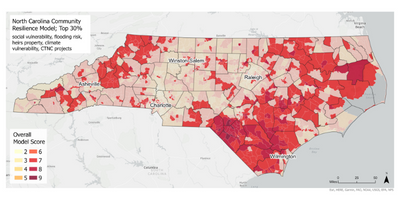
The map scores all 100 North Carolina counties – down to the census tract-level – on their potential to bounce back from a climate event. Scored against five criteria – social vulnerability, flooding risk, heirs property probability, anticipated climate vulnerability, and distance to CTNC land projects – the darker the red, the greater the opportunity for conservation solutions to support community resilience in the face of change.


By identifying these places, CTNC can be more strategic in delivering conservation that builds community resilience through a lens of equity and inclusion.

This project was inspired by CTNC’s collaboration with the Town of Princeville and NC State. “We saw the importance of incorporating data into project planning,” said Mary Alice Holley, project lead. “In Princeville, data compiled through the Floodprint, developed by NC State Coastal Dynamics Design Lab, helped identify problem areas in town where conservation interventions could have an increased positive benefit to surrounding people and places. We set out to identify other communities in North Carolina where similar partnerships could be established to inform how other communities could benefit from conservation interventions designed to build resilience.“ 

Mary Alice, who serves as CTNC’s Director of Community Innovation, hopes that by prioritizing conservation interventions in vulnerable places, CTNC can provide communities with proven tools to build strength before the next disaster occurs. Those tools might include acquiring land in a flood zone for increased water storage or partnering with certified controlled burn crews to reduce the fuel load in a nearby forest. In places like Princeville, conservation has become a proven tool to support people living in flood-prone areas. CTNC hopes to bring this concept and the capacity to execute projects to more communities in the coming years. 

Over CTNC’s 30-year history, it has developed a prioritization and scoring model that ensures Blue Ridge Parkway land protection work is strategic and effective. The Community Resilience Model brings this knowledge and expertise to measuring climate resilience and prioritizing conservation solutions where they will matter most. 

The model represents CTNC’s strategic plan priorities: climate change, community benefit, and equity and inclusion. By identifying these places, CTNC can be more strategic and effective in delivering conservation that builds community resilience through a lens of equity and inclusion. The map is a tool for CTNC program leaders to visualize communities in North Carolina where climate change impacts are projected to have the most significant impact and where people and places are least resourced to recover. 

This map tells the story of North Carolina’s potential climate future. Similar maps have been created to identify the most resilient and pristine places that are advantageous for land trusts to conserve. This map does the opposite. The new model evaluates where predicted climate change impacts – such as flooding, fires, mudslides, etc. – will have the most negative impact on North Carolina communities in need.

Mary Alice hopes that other conservation and climate organizations can embrace the value that a data-driven lens can provide to their strategic planning, project planning, fundraising opportunities, and vision for establishing collaborative partnerships. The map is being used as a collaborative planning and communication tool through CTNC’s work with various coalitions, including Land for Tomorrow and the NC Heirs Property Coalition.

This tool is not recommended for other conservation organizations to use for their project planning. CTNC hopes to inspire others to visualize our strategic plan priorities and goals in a concrete way for future effective conservation interventions that benefit people and places in North Carolina.

The seeds planted with this project can grow into a more just and resilient North Carolina. By pinpointing the most vulnerable areas, funding and expertise can flood in to provide the necessary information and projects to protect communities.

Stay tuned for another story in the New Year about a mapping tool designed to serve land conservationists across the state. Through a collaboration with Duke University and the Open Space Institute, CTNC has developed a state-of-the-art resource that allows partner organizations to see how lands they have or plan to conserve can help reduce the impacts of climate change while strengthening communities.

CTNC is partnering with experts statewide to help build resilient, just communities. Together, we can be ready for whatever hits our state. It just takes data and care to make it happen.

Duke Nicholas School Stanback Fellow for Summer 2022, Chloe Ochocki, worked to develop the GIS map. Through the program, CTNC was provided Chloe’s talent and time for 11 weeks to complete the project. Thanks to Fred and Alice Stanback, who fund the Stanback Fellowship Program through Duke University, and their generosity, this project was completed at no cost to the organization.

Princeville Collaborative Shared with Top Environmental Officials

CTNC’s community-led projects are inspiring the nation to build stronger communities in the face of climate change.

Michael Regan, as EPA administrator, requested the establishment of the EJ4Climate grant fund to address environmental justice and community needs in the United States.

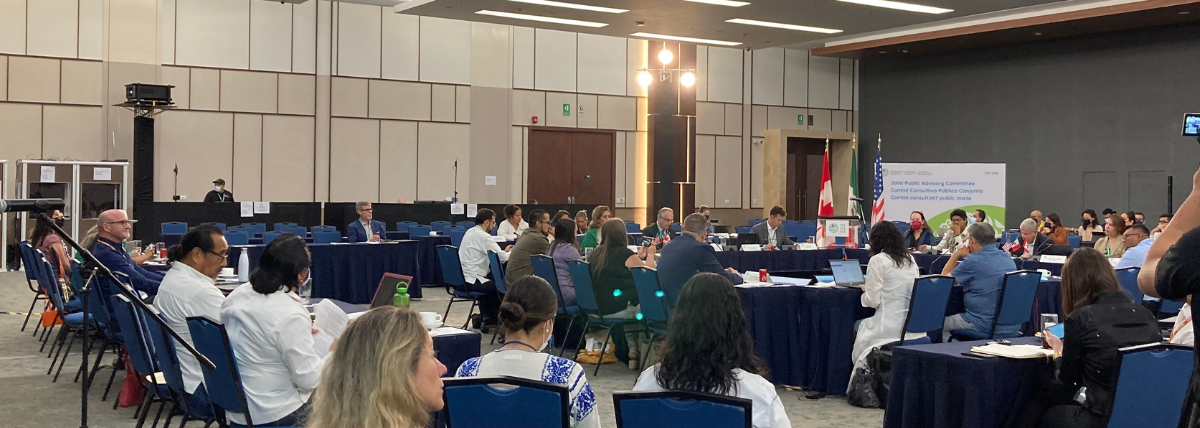
In July, as a recipient of the EJ4Climate grant fund, CTNC staff were invited to Mexico to discuss the accomplishments and plans of the Princeville Collaborative with government leaders from Mexico, Canada, and the United States. CTNC’s Chris Canfield and Mary Alice Holley traveled to Merida, Mexico, for the 29th Annual Session of the Commission for Environmental Cooperation (CEC) Council and Joint Public Advisory Committee (JPAC) Public Forum. The invite-only Forum was attended by the top environmental officials from the three North American countries, as well as youth, Indigenous groups and local communities.

At the event, the CTNC team added meaningful experiences to the “Community-led Environmental Education for Sustainable Development” theme. North American grantees shared their activities with communities directly impacted by our changing climate.

“What really stayed with us were those side conversations that gave us new perspectives about the challenges conservation and environment leaders are facing across our three countries. These encounters brought us a deeper appreciation for the work we get to do here in North Carolina. Perhaps what was most heartening about our visit was the affirmation that what CTNC aligned to support a few years ago in our new strategic plan – community-climate-equity – is what each country in North America, each in its own way, is embracing, too.”

-Mary Alice Holley, Director of Community Innovation

The 29th Council Session of the Commission for Environmental Cooperation addressed many of the most pressing environmental challenges facing North America’s communities, particularly vulnerable communities and Indigenous Peoples. This is a joint meeting between Canada, Mexico, and the United States (CUSMA, T-MEC, USMCA), led by their respective environment ministers as part of each country’s commitment to the Environmental Cooperation Agreement.

“I was proud to share that North Carolina is on the leading edge with our newly underway $20 million effort to build a statewide flood resilience model and plan. I’ve been collaborating with state officials on the process and am heartened by the holistic, community-driven approach they are undertaking. Flooding is not just a coastal issue, as the devastating recent events in Eastern Kentucky remind us. And conservation plays a crucial role in mitigating that threat.”

-Chris Canfield, Executive Director

Read the highlights of the Priceville Collaborative and more about all EJ4Climate Grant projects on the Commission for Environmental Collaboration website.

Crews Work to Conserve and Protect Princeville

Summer is the perfect time to accomplish work that builds a more resilient state.

Embarking on Phase II of the Princeville project, CTNC worked with Conservation Corps NC and the Town of Princeville to hire summer youth crews for conservation and maintenance projects in town.

The crew’s first stop was Heritage Park, 428 Mutual Boulevard in Princeville. This park, along the river, is an important piece of Princeville’s resilient future. By claiming it for public use, it offers much-needed overflow for river flooding and runoff. It will also be the future site of a permanent Farmer’s Market and an accessible walking trail. The crew’s efforts this summer have complemented the current use of the park while supporting future goals slated by Town leadership and community members.

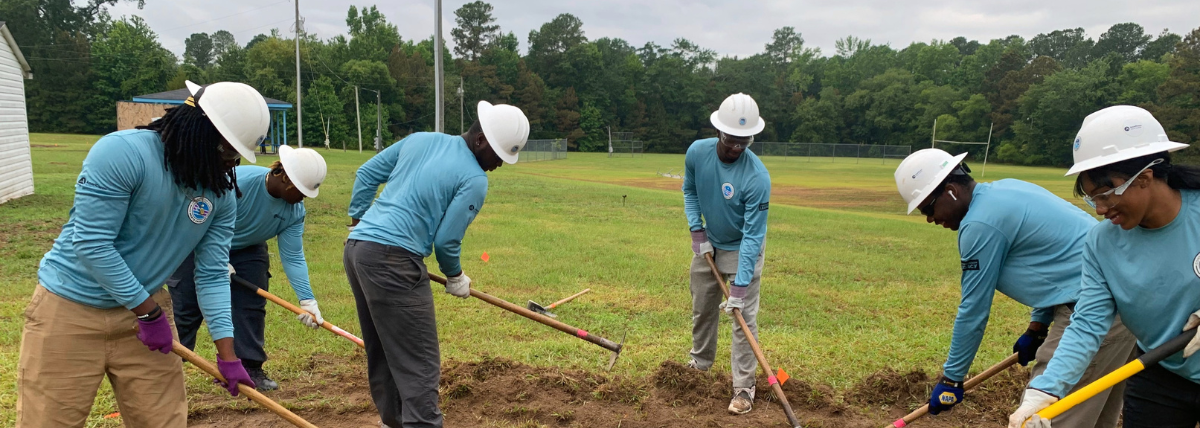
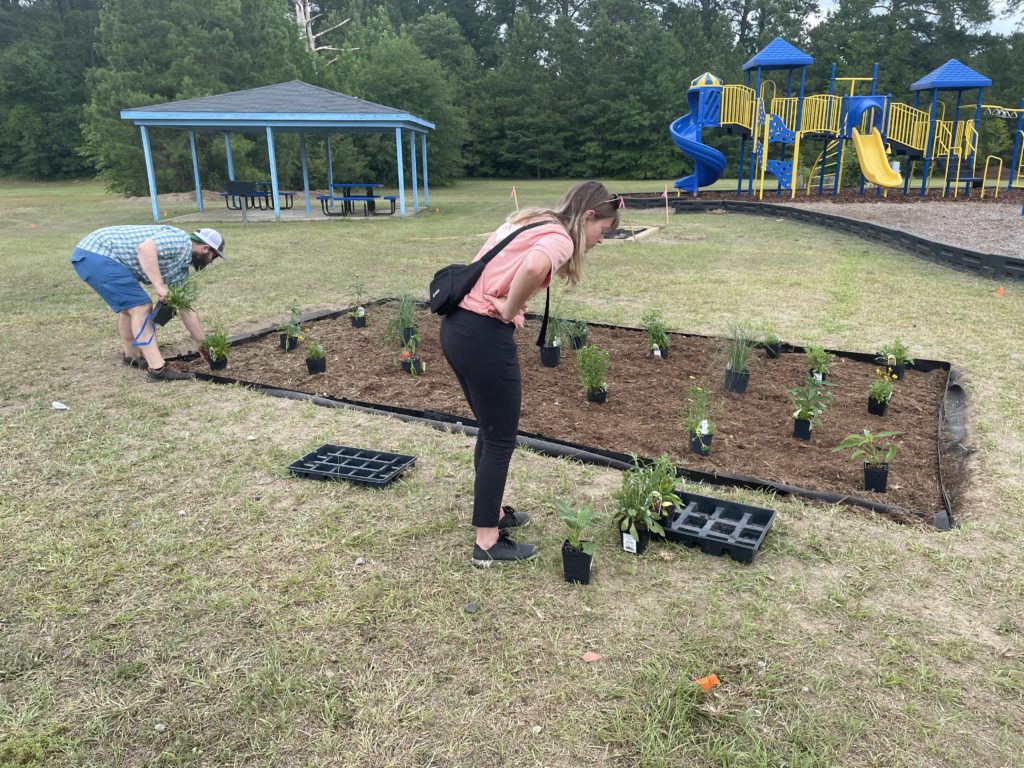
At Heritage Park, the youth installed exercise stations, pollinator gardens, benches and trash receptacles, and walking paths, and also re-mulched the playground. They also installed trail signs that will serve as educational tools for parkgoers about the importance of pollinator plants, wildlife habitat, and stormwater management.

At Heritage Trail and the Elementary School, the youth completed maintenance of conservation projects installed in 2021 through similar partnerships. They mulched the newly established Heritage Trail, cleaned up debris, and removed weeds from the rain gardens designed and installed by NC State and M&M Landscaping.

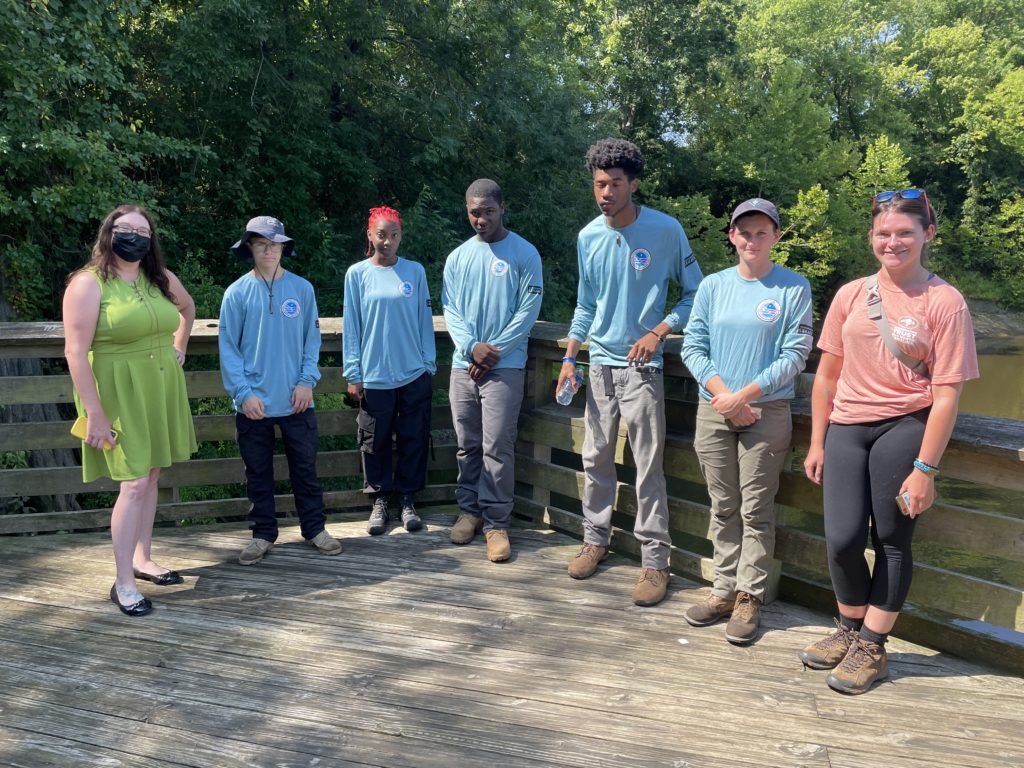
Thank you to the young adults from Tarboro High School who worked with community leaders for six weeks to complete this project. We couldn’t have done it without you!

Work locations for this crew included Heritage Park, Heritage Trail, and Princeville Elementary School. This summer of work completed by the Conservation Corps North Carolina crew members fulfills the first goal of the EJ4Climate grant awarded by the North American Commission for Environmental Cooperation (CEC).

This collaboration is possible in part thanks to a grant from Anonymous Trust as well as the CEC, supported by the Environmental Protection Agency. This new grant program, called EJ4Climate, addresses environmental inequality and promotes community-level innovation and climate adaptation. CTNC was one of 15 projects across three countries to receive a grant award through the CEC, a tri-national effort to promote and facilitate sustainable development in North America.

Categories