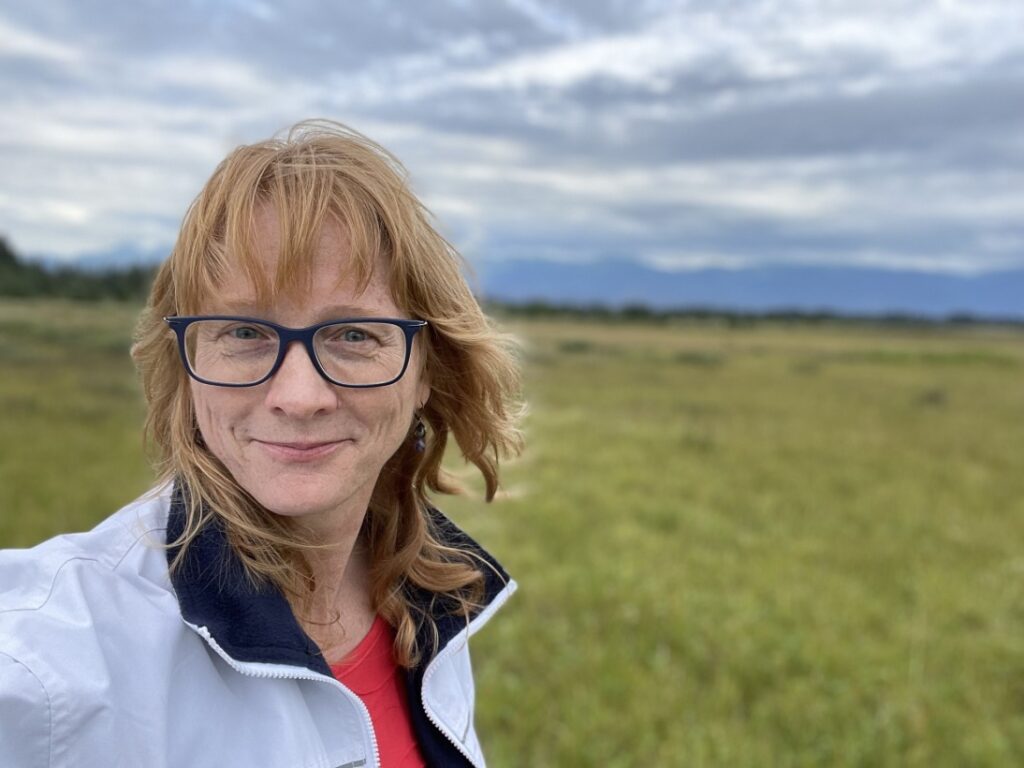
CTNC is proud to welcome Cynthia Satterfield as the new Executive Director of our organization.
Cynthia joins us with a strong background in community-driven conservation. Her dozen years at the Tar River Land Conservancy as the Director of Development and at the Eno River Association as Director of Development and Outreach ground her in the land conservation work central to CTNC. Her most recent role as State Director of the North Carolina Chapter of the Sierra Club expands her strategic leadership skills. Cynthia holds an English and Anthropology Bachelor’s Degree, Master of Business Administration, Certificate in Non-Profit Management and Equity Training.
Cynthia’s personal commitment to CTNC’s values of collaboration, boldness, inclusiveness, compassion, authenticity, openness, and curiosity inspired confidence in the CTNC Board.
“Cynthia’s personal commitment to CTNC’s values of collaboration, boldness, inclusiveness, compassion, authenticity, openness, and curiosity inspired confidence in the CTNC Board”, said CTNC Board President Brandon A. Robinson. “We are fully confident that the wealth of experience Cynthia brings will lead CTNC to new growth and new opportunity, making it possible to fulfill our mission of building resilient, just communities by delivering conservation solutions across the state.”
Cynthia will join CTNC officially on December 11th as Chris embarks on his retirement journey. We are excited to begin this new chapter as an organization and enter the new year as a strong-knit group of staff, board members, donors and supporters.
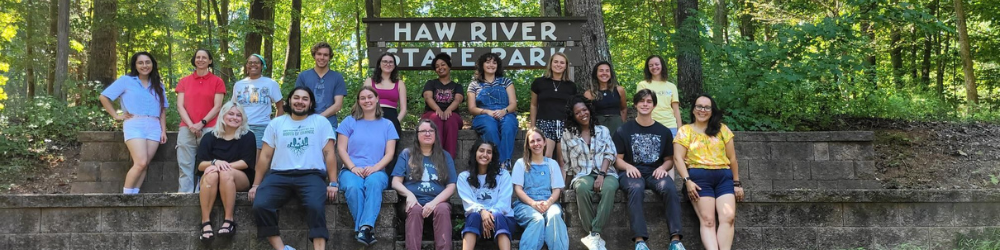
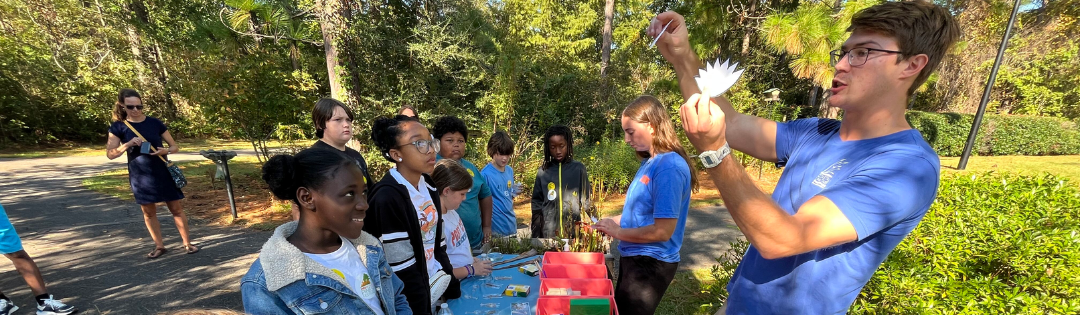
We’re delighted to welcome the latest cohort of service members with the Resilience Corps NC program. These members, working at placements across North Carolina, are able to fill in areas of need through their host sites that are connected to various diverse communities, building a resilient North Carolina. Their work includes community outreach, environmental education, and environmental stewardship.
Building a resilient community begins with education and the power of knowledge. Having AmeriCorps members within the communities build capacity within and outside their host sites creates a positive impactful domino effect that will be long lasting after their service terms are over.
Here’s where our 2023-24 AmeriCorps members are serving:
Anna Behnke Conservation Trust for North Carolina
Austin Duncan Central Pines Regional Council
Christopher Perdomo Piedmont Environmental Alliance
The town of Princeville knows that well, as do many climate-impacted towns in North Carolina. A spot of historic and devastating flooding as well as every-day challenges resulting from nuisance flooding, this town invested in building natural stormwater capture devices while enhancing once-vacant land throughout the community.
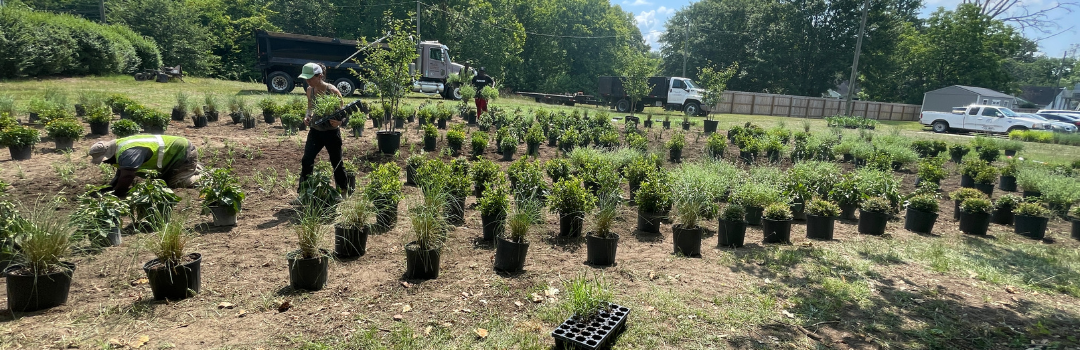
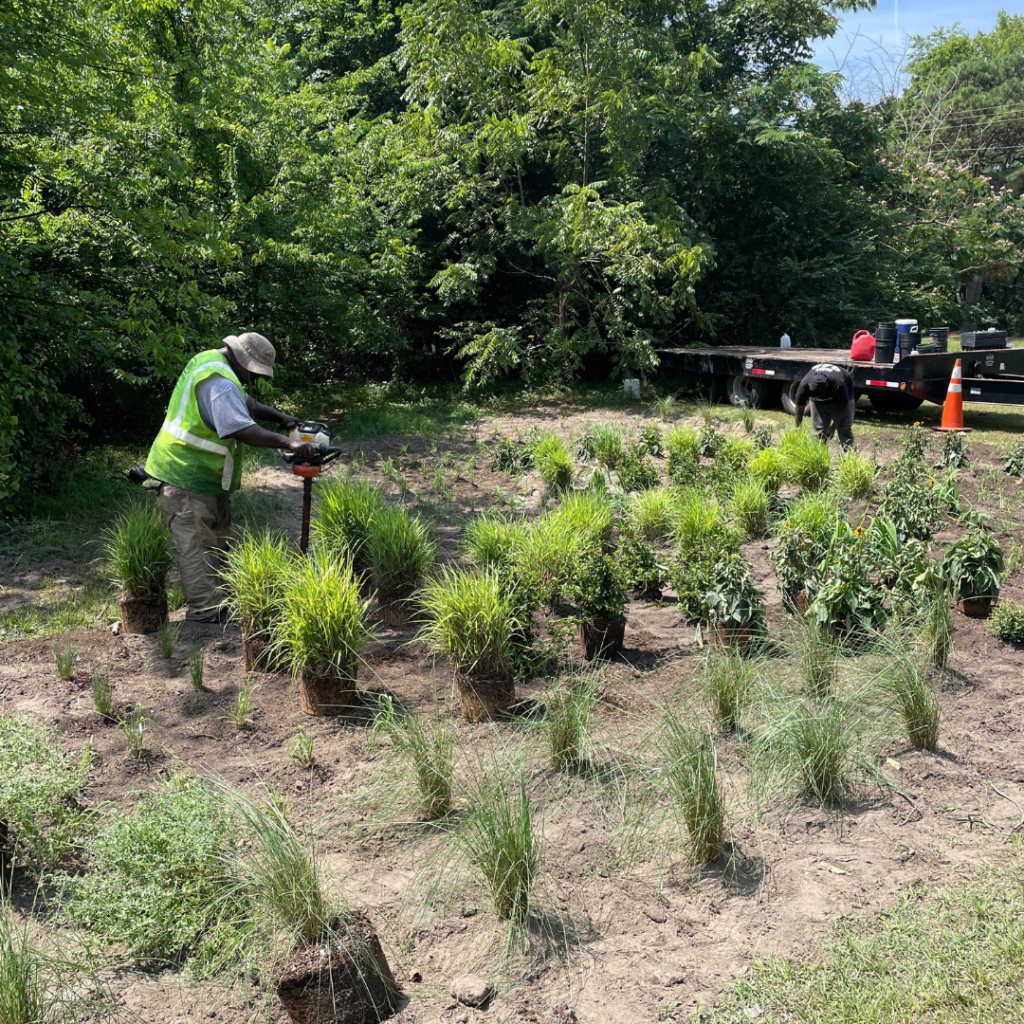
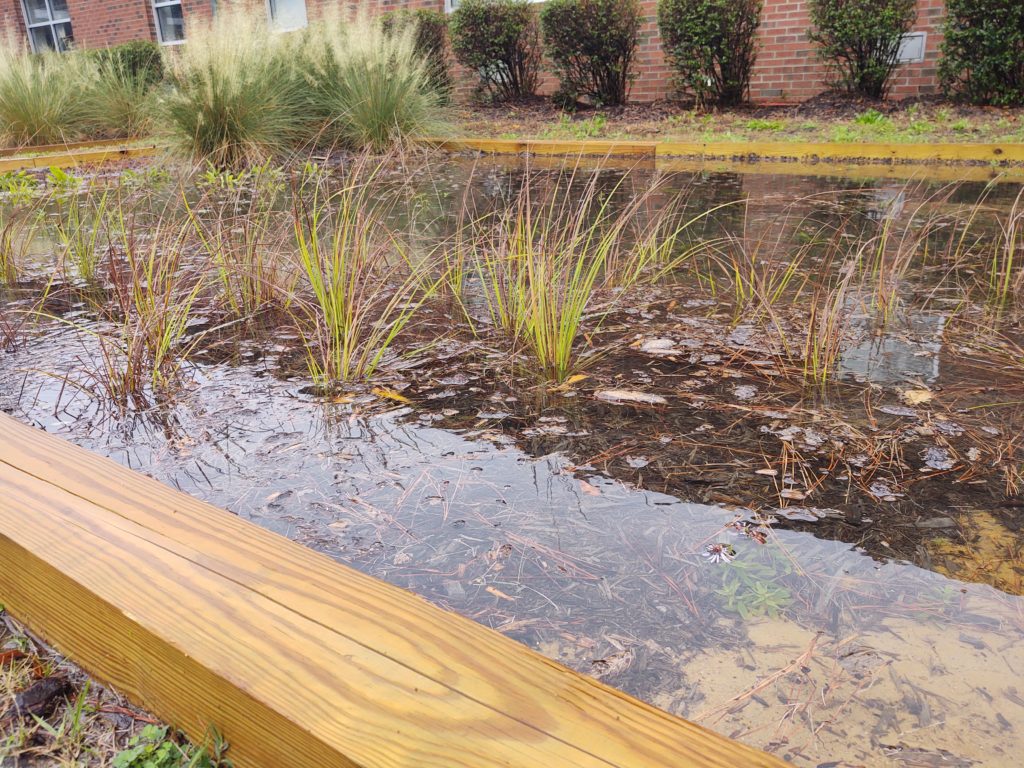
In the summer of 2023, CTNC spearheaded a project to install green infrastructure with wetland enhancement projects on vacant, town-owned parcels along the Tar River. These are now sites where stormwater can naturally flow and reduce nuisance flooding that causes inconveniences to residents, roads, and neighborhoods in populated areas. The project created 6,000 square feet of stormwater retention strategies, including bioretention cells and rain gardens designed to hold 27,740 gallons of water per rain event.
Princeville elected leaders worked with residents and partners to identify three locations throughout town where standing water was already creating safety hazards following large rain events. By turning these sites into managed wetland areas with trees, shrubs, and pollinator plants, each site can now absorb stormwater and address standing water issues. This is all while beautifying each plot with seasonal colorful blooms and leaves, supporting native wildlife, including birds and other pollinators.
GARDENS ARE READY TO BLOOM
Site 1 is located at Town Hall and Freedom Hill to help add stormwater runoff at a high-traffic intersection of Princeville. The site includes NC native pollinator plants including Soft Rush, Walker’s Low Catmint, and Black-eyed Susan.
Site 2 is located at the corner of Church and Walston Streets, and Site 3 is located at the corner of Beasley and Walston Streets. These locations were selected due to their proximity to the elementary school rain garden installations completed in 2020.
The project is continuing with an important science component. The Town of Princeville seeks to incorporate community education into every conservation project that takes place. In the case of the stormwater infrastructure improvements, CTNC received funding from TELUS to purchase sensors that track the water absorption rate of the wetland areas. These sensors are offered by Temboo, a technology company that utilizes data to engage communities in understanding their environmental impact locally. The sensors will be installed this summer and will collect data that will be shared with town leaders, educators, students and families to showcase the importance of conservation as a natural solution to flooding and other climate-related issues being experienced by Princeville and surrounding communities.
RAIN GARDENS & WETLAND ENHANCEMENTS OFFER A CLIMATE SOLUTION
Communities across North Carolina are experiencing greater occurrences of precipitation and rain events that cause minor and major flooding. Conservation solutions, like installing rain gardens and other stormwater management techniques, are a great way to manage flood water while benefiting communities and residents. These types of installations are beautiful, offer a benefit to wildlife like birds and pollinators, effectively manage stormwater, naturally filter contaminants from water flow before it reaches a river or stream, and are low maintenance options for long-term care. CTNC supports natural solutions like stormwater infrastructure to benefit communities seeking to build resilience to flood challenges exacerbated by our changing climate.
The stormwater designs and plant selections were created by NC State Coastal Dynamics Design Lab based on recommendations from the Princeville Community Floodprint. It was informed by input from Princeville residents and approved by the Town of Princeville Board of Commissioners. The project will be installed by M&M Landscaping – a local contracting partner participating in the conservation projects being funded through CTNC.
Funding for this project was generously provided by the Commission for Environmental Cooperation EJ4Climate grant.
Your work this year to make North Carolina more resilient is to be commended. Thank you for your generous investment in CTNC programs; we raised $1.7 million in the past 12 months. Thank you. Our state thanks you.
We have so much planned for the rest of this year. Here are a few key updates to share with you that we know will only make CTNC stronger:
The search to fill the Executive Director role after Chris Canfield’s departure is underway. The Board selected Elinvar, a North Carolina-based agency with a proven track record of successful executive hires for nonprofits. The Executive Search Committee was particularly impressed with Elinvar’s commitment to diversity, equity, and inclusion best practices in recruitment, hiring, and retention support. If you know of a qualified candidate for the job, please share this job search description. The Board is on track to have the new Executive Director in place by the start of 2024.
To help carry CTNC through the leadership transition and beyond, Mary Alice Holley has been promoted to Associate Director and Community Innovation Officer. She takes on the expanded role to support CTNC’s upcoming leadership transition and facilitate continuity for the board, staff, donors, supporters, and community partners. We’re thankful to have her apply all she has learned about our unique mission toward the strategic plan’s goals in partnership with the climate-impacted and under-resourced communities we seek to serve.
Another leadership transition took place at the end of June. Amy Smith, who has successfully led our philanthropy efforts over the past four years, left CTNC for an executive director position in the area. We can’t say enough good things about Amy and the way she stewarded us all through the worst of the COVID challenges, leaving CTNC on more solid ground. Our new Philanthropy Director is Erin Witcher, a one-time practicing attorney with a background in governmentaffairs, natural resource and land-use law who has found a love of nonprofit fundraising. We are so thankful for her willingness to step into this position.
At the core of Conservation Trust for North Carolina’s ability to deliver conservation success alongside community partners is a commitment to support the health and well-being of our staff and their families. In order to more fully institutionalize a values-driven approach to delivering our mission, the CTNC Board of Directors adopted an employee-forward handbook that incorporates best practices in race equity and inclusive nonprofit management.
In recognition of this accomplishment, CTNC became a Family Forward NC Certified Employer through Family Forward NC. Family Forward NC, an initiative of the nonprofit North Carolina Early Childhood Foundation (NCECF), designates employers that offer policies and practices that support the health and well-being of working families and children using NCECF’s Pathways to Grade-Level Reading Measures of Success and Action Framework and guidance from medical and early childhood organizations across NC and the country.
At CTNC, we support our employees and their families by prioritizing a transparent and supportive suite of policies including an expanded PTO and holiday observance calendar, 100% of health benefits offered, 12 weeks of paid family and medical leave, and a sabbatical incentive following five years of service.
Family-friendly workplaces have a competitive advantage. But more importantly, for children and families, the benefits of family-friendly workplaces are numerous and long-lasting. They include positive impacts on health, development and well-being, financial stability, and future career success.
Children whose parents have access to family-friendly benefits receive much-needed support and time with their parents during the most critical years of brain development. This leads to positive health outcomes, higher education attainment, and future career success. Pregnant workers and parents and caregivers who have access to family-friendly benefits also have improved health outcomes and are happier and more productive at work.
We’re proud to be a Family Forward NC Certified Employer. To learn more about Family Forward NC, visit www.familyforwardnc.com.
Together, we can continue to ensure North Carolina is prosperous and resilient; working parents and caregivers are supported; and our state’s children have a strong foundation for academic and career success in the future.
After six years serving as Conservation Trust for North Carolina’s Executive Director, Chris Canfield announces his retirement. Chris will continue to serve in this role until December 2023.
With Chris’ guidance, CTNC has grown its role as a conservation leader for North Carolina and nationwide. Together, the Board and staff have solidified an organizational commitment to conserving land in ways that inspire and enable people to build greater resilience to the impacts of a changing climate while ensuring the long-term financial sustainability of the organization.
Chris’ legacy leaves CTNC and the conservation landscape of North Carolina on a trajectory of success. During this time, CTNC:
adopted a nationally-renowned strategic plan that centers climate resilience and race equity in conservation strategies;
established an ongoing commitment to race equity practice through a revised DEI assessment, work plan, and focus to ensure conservation strategies provide an outsized benefit to traditionally marginalized groups;
centered people and communities in the role of conservation;
balanced the organization’s budget while maintaining nearly $1M in reserve assets;
laid the groundwork to launch an endowment fund to ensure the long-term sustainability of CTNC;
and oversaw the acquisition and transfer of prime conserved lands to the National Park Service along the Blue Ridge Parkway to ensure their permanent protection.
Through these foundational investments, CTNC will carry this spirit of innovation forward. The Board of Directors will be leading a national search for a new Executive Director. CTNC is confident we have built an organization that will invite a dynamic leader to guide our work into the future.
Beyond his impact on CTNC, Chris has dedicated his career to protecting our most precious natural resources. Before joining CTNC, Chris worked with the National Audubon Society for 17 years as the executive director of Audubon North Carolina and VP for the Gulf and Mississippi Flyway. Chris led Audubon’s response to the Deepwater Horizon disaster. He successfully implemented Gulf-wide conservation efforts in concert with federal and state agencies, local communities, land trusts, and national funders. In 2009 he was awarded the Charles H. Callison Award, Audubon’s highest recognition for staff conservation achievement.
The staff, board, and nonprofit partners will miss Chris’ vision and leadership significantly. Upon retirement, Chris will focus on enjoying our state’s beauty and life with his wife and family.
“I have felt the tug toward retirement for a while. My wife Kate is ready for us to share some new adventures while we have the time and health to do so. Now, with CTNC on such solid footing, I feel able and ready to take this next step.”
Chris’s goal as Executive Director was to build the state’s most sustainable, well-rounded, people-forward organization poised to tackle the growing challenges presented by our changing climate. There will be opportunities throughout the year to thank Chris for his dedication to our organization and the state. Please keep an eye out on your email and mailbox for forthcoming announcements.
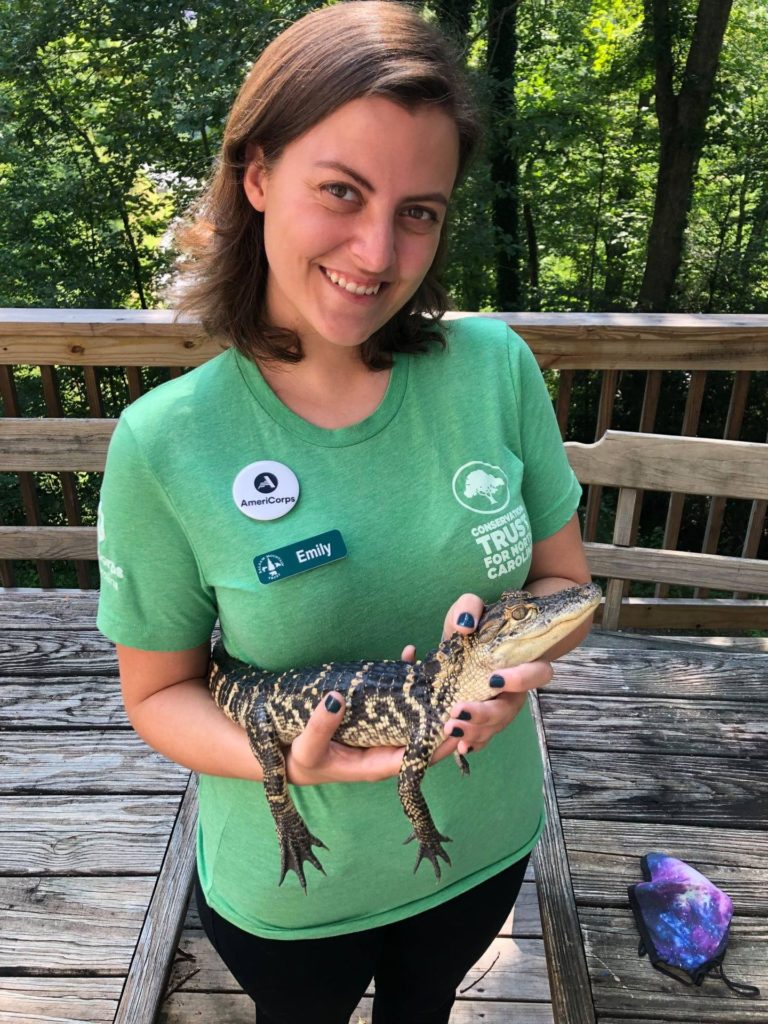
Emily Taylor teaches future generations about Western NC species and how to protect them.
A graduate of Iowa State University, Emily applies her studies in Biology and Environmental Science to teach students about nature conservation. She serves as Education Outreach Coordinator for Balsam Mountain Trust in Sylva with Resilience Corps NC. Her main focus: collaborating with different local communities and nature-based organizations to provide accessible, quality conservation education.
Emily creates, improves, and teaches environmental science programs to Title I schools, public libraries and other community groups with help from live animal ambassadors. She showcases incredible species of the Southern Blue Ridge Mountains like hawks, snakes, turtles and more! Her favorite part about the job is working with the animals and showing them to elementary school students.
Thanks to her time at the Trust, she’s learning to have patience in others and believe in her decision-making skills. From Executive Director to Laundry Volunteer, Emily gained an appreciation for the way everyone pitches in to work toward Balsam Mountain Trust’s mission. “You wear many hats,” says Emily.
Expanding conservation in communities isn’t one-size fits all. By paying attention to how people communicate, she customizes how she shares lessons for all students. “You meet a lot of different kinds of folks, and we have to come up with several ways to disperse the same information. It requires a lot of thought and body language reading,” says Emily.
Beyond AmeriCorps, Emily hopes to continue work in Haywood County at zoo facilities like the Western North Carolina Nature Center. We’re looking forward to seeing what the future has in store for her!
North Carolinians love the outdoors. Visitation to NC State Parks increased to 22,800,000 in 2021 – 3,000,000 more than in 2020. Visitation to state forests, game lands, trails and local parks continues to increase.
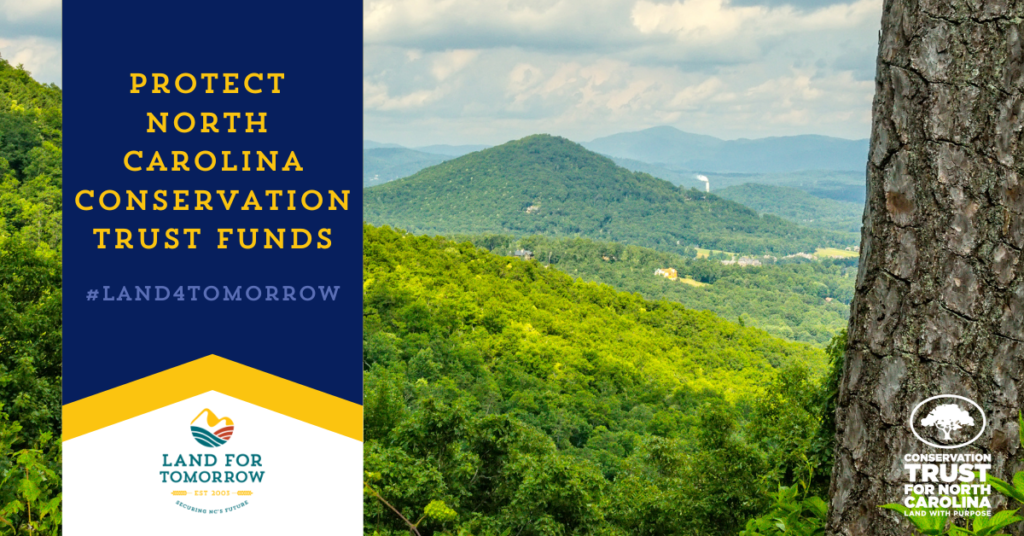
The Land for Tomorrow Coalition greatly appreciates the strong support of the General Assembly and Governor for our Conservation Trust Funds and looks forward to working with them in 2023 to build upon our success. Land for Tomorrow recommends the following to the 2023 General Assembly.
NC Land and Water Fund Increase recurring funds to:
$30,000,000 recurring
$20,000,000 in non-recurring funds in FY 23-24
The Land for Tomorrow Coalition strongly supports continuing NC Land and Water Fund’s flood risk reduction grant program.
$15,000,000 to continue NCLWF’s flood risk reduction program
Parks and Recreation Trust Fund
$30,000,000 recurring
$20,000,000 in non-recurring funds in FY 23-24
Agricultural Development & Farmland Preservation Trust Fund
$15,000,000 recurring as recommended by Agriculture Commissioner Steve Troxler
Great Trails State Funding The Land for Tomorrow Coalition supports the Great Trails State Coalition’s request for appropriations to establish the Great Trails State Fund.
Dedicated Funding and Conservation Tax Credit The Land for Tomorrow Coalition supports restoring dedicated funding from state deed excise stamp tax revenues to the Land & Water Fund and Parks & Recreation Trust Fund and restoring the 25% conservation income tax credit.
Stewardship of State Lands, Facilities & Funds The Land for Tomorrow Coalition strongly supports requests by the Department of Natural & Cultural Resources, NC Wildlife Resources Commission and Department of Agriculture for staff to manage the conservation trust funds and to manage new state parks, historic sites, game lands and state forests.
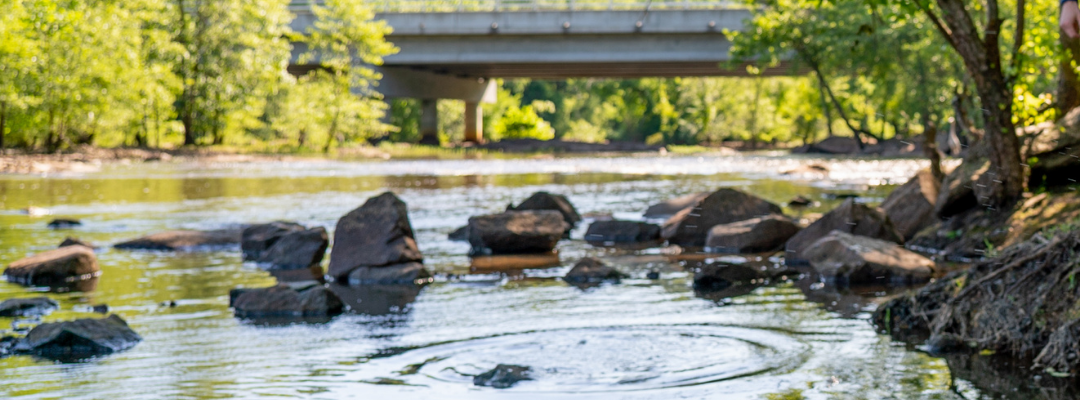
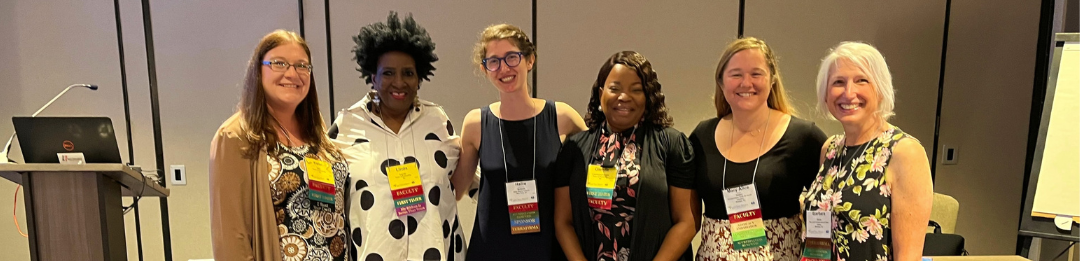
Together, we were able to share the success of this partnership with national audiences at the national Land Trust Rally in New Orleans, LA. The Town of Princeville’s Dr. Glenda Knight, Commissioner Linda Joyner and Historical Outreach Coordinator Kelsi Dew presented alongside the Open Space Institute’s Hallie Schwab, The Land Conservancy of New Jersey’s Barbara Davis and CTNC’s Mary Alice Holley. Each speaker presented creative and varied approaches being implemented to deal with increased rainfall and flooding while developing place-based solutions for climate resilience.
Watch this video to see their work in action.
These partnerships demonstrate the power of land conservation to mitigate flooding and equip communities with the tools to harness nature for community benefit when rebuilding and protecting against climate-related disasters. Sharing our experiences with land trusts from across the nation inspires more organizations to implement similar conservation strategies to address climate impacts.
“Later this year, the Land Trust Alliance is launching a series of trainings on how land trusts can improve climate resilience in their communities. It will focus on exploring and expanding their water-focused work through a process outlined in our recently released water quality guide, “Taking the Plunge”. The collaboration between these land trusts and community partners undoubtedly encouraged more organizations to participate in this programming. More importantly, their examples are already serving as aspirational “North stars” for many as they start to navigate this intricate and difficult area of work.” Andrew B. Szwak, AICP (he|him|his), Land Trust Alliance, Mid-Atlantic Program Manager
Bryce Tholen makes connections with coastal communities and lands serving with Resilience Corps NC at North Carolina Coastal Land Trust in Wilmington.
After graduating from the University of North Carolina at Wilmington with a degree in environmental science, Bryce continues to share his appreciation for the outdoors with others. He serves as Environmental Educator and Volunteer Coordinator at the Trust.
In his position, Bryce plans and presents environmental education in classroom opportunities, programs and events. He also organizes, leads and promotes volunteering opportunities and assists the stewardship team in projects.
Working with Coastal Land Trust helped Bryce get out of his comfort zone. He learned about how nonprofits function and has earned more experience presenting to an audience. “I have learned a lot about public speaking and confidence,” says Bryce.
Educating the public on restoring and protecting the environment comes with its challenges. Conservation organizations face smaller staff and budgets while working across a large area. However, that doesn’t detract from the fulfilling successes when communities come together to protect our planet.
One of the biggest takeaways from the job is the importance of collaboration when expanding conservation efforts. “Partnerships and collaborations lead to the most beneficial projects for a community. People have to be willing to work together to achieve common goals. Many projects in the conservation field cannot be accomplished without the partnering of multiple entities.”
Beyond AmeriCorps, Bryce plans to continue to work in conservation. He wants to assist in outreach coordination for nonprofits or state organizations focusing on land and water protection. We can’t wait to see what he’ll achieve!
This website uses cookies to improve your experience. We'll assume you're ok with this, but you can opt-out if you wish. Cookie settingsACCEPT
Privacy & Cookies Policy
Privacy Overview
This website uses cookies to improve your experience while you navigate through the website. Out of these cookies, the cookies that are categorized as necessary are stored on your browser as they are as essential for the working of basic functionalities of the website. We also use third-party cookies that help us analyze and understand how you use this website. These cookies will be stored in your browser only with your consent. You also have the option to opt-out of these cookies. But opting out of some of these cookies may have an effect on your browsing experience.
Necessary cookies are absolutely essential for the website to function properly. This category only includes cookies that ensures basic functionalities and security features of the website. These cookies do not store any personal information.