AmeriCorps Profiles: Abby Cates

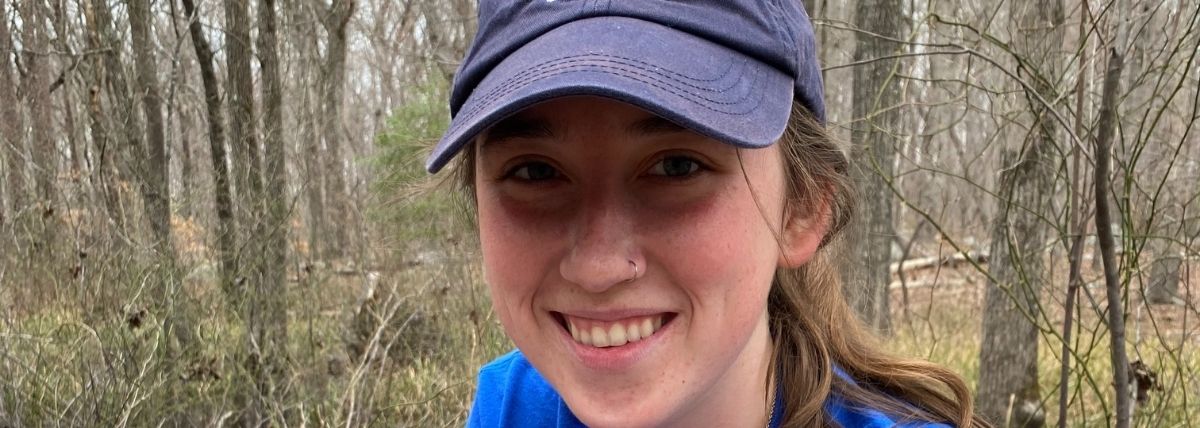
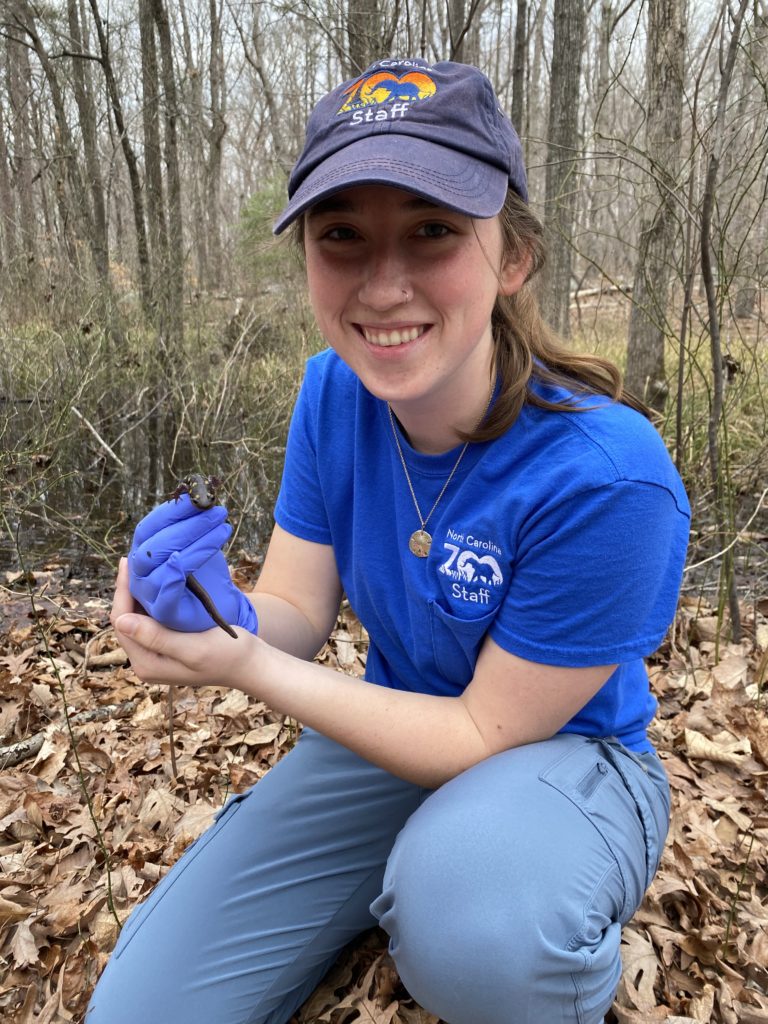
Photo of Abby Cates holding worm

Expanding her personal and professional skills plus having a whole lot of fun, Abby Cates’ serves with North Carolina Zoo in Asheboro, NC through Resilience Corps NC.

Abby is one of 15 members of the 2022 Resilience Corps NC cohort. Learn more about the impact these members make while serving with community partners across our state.

Abby completed her bachelor’s degree in Environmental Sciences at Elon University before joining AmeriCorps. Now she’s serving as a Natural Areas Conservation and Education Coordinator for the largest natural habitat zoo in the world.

“I joined AmeriCorps to gain knowledge and skills within my field that would propel me into my future career goals,” said Abby.

Learn more about Abby’s job and advice about AmeriCorps service.

What does your current service position entail?
In my role, I conduct wildlife research on a variety of different species across 2,000 natural acres owned by the NC Zoo. I am also responsible for planning and leading environmental education programming for both children and adults. Lastly, I have become knowledgeable in the construction and maintenance of hiking trails, and I am in the process of building ~2 miles of trails on zoo property.
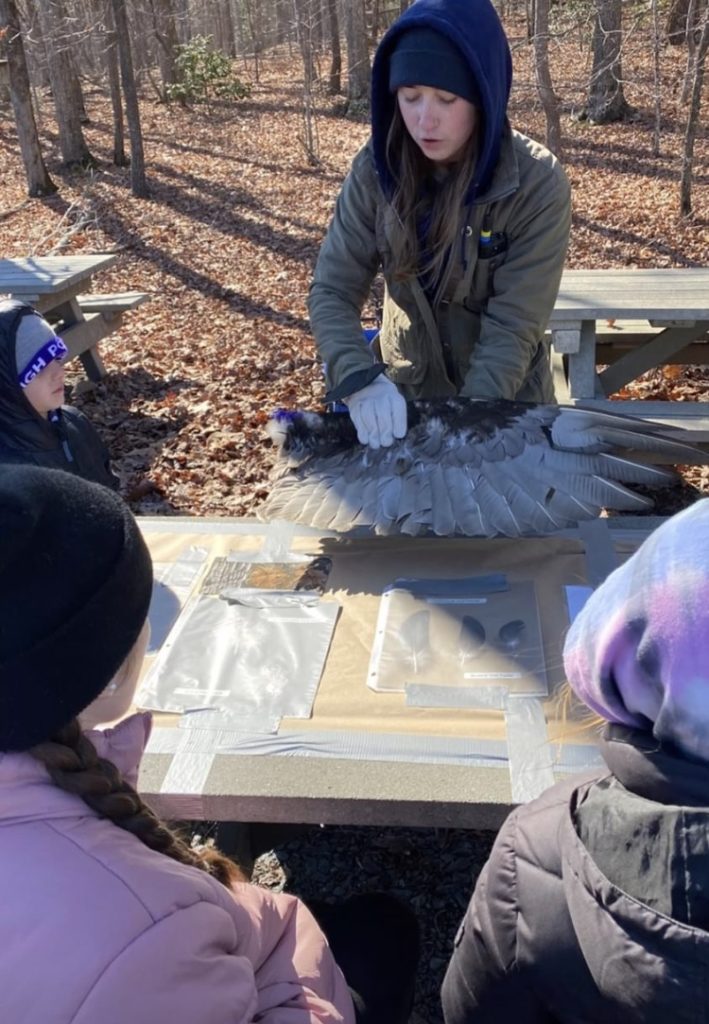
Photo of Abby Cates leading education opportunity for students

What do you love about your current role?
I love that I can be outside in nature most days and feel that I am making a difference with my various research and conservation work. I have always felt a strong connection to nature and this role allows me to both appreciate and protect what I cherish most.

What lesson have you learned since joining the program?
There is no direct route to any situation. This has forced me to think deeper and more creatively to solve more complex problems in the community. Also, not everyone will understand or support your work. I have learned to have patience and adapt to unfamiliar situations.

What do you wish people knew about working in conservation?
I wish people knew that there are people doing this kind of work! I have been confronted by many people who do not realize that my type of service is a career option. There is a demand for work in conservation as the importance of preserving natural land and wildlife is coming into the forefront of people’s minds. Conservation Trust for NC and the NC Zoo granted me an opportunity to start my career goals in a time when I didn’t know where to start.

What is something you wish people understood about working with communities in conservation?
I’ve learned that not all audiences will connect with you but that can’t let you feel defeated or stop you from trying. This role has allowed me to reframe my thinking around the best ways to spread information and inspire a community about local conservation. While this can be challenging at times, it is important to know how to best connect and inspire action in your audience.

What advice do you have for people thinking about AmeriCorps?
Do it! AmeriCorps is a perfect opportunity for people trying to figure out their personal and professional goals. They make it easy to find a host site and service opportunities that pertain to your specific interests.

What are your plans for the future?
I do not have any set-in-stone plans after my AmeriCorps year. However, I have always known that I wanted to be a steward of the Earth, whether that is through research, conservation, or education. I hope to share my skill set with others and create a meaningful impact on the places I travel and the people I meet. I hope to one day have my own land and develop a permaculture farm to create a standardized system that allows humans to work with nature rather than against it.
AmeriCorps Spotlight: Haley Bock

Educating future generations to protect our planet

Haley Bock connects with her community through teaching conservation

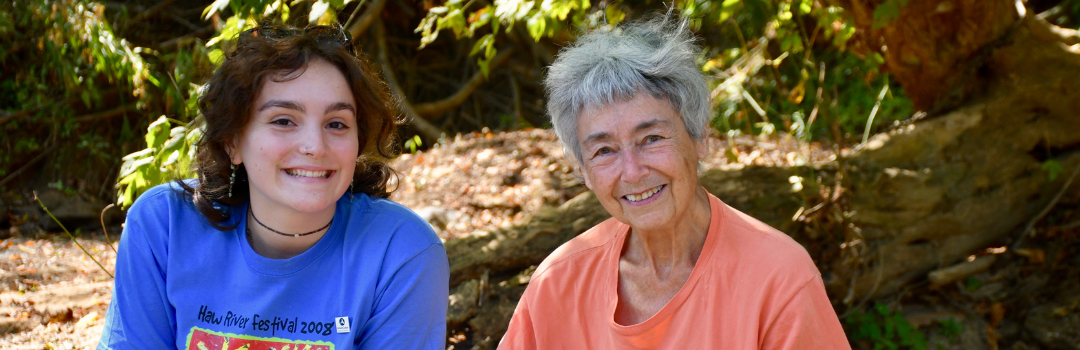
After earning her Bachelor of Science in Public Health, Haley Bock is serving her community working with Resilience Corps 2023. Haley serves as the Environmental Programs AmeriCorps Assistant in the Stormwater SMART Department with the Piedmont Triad Regional Council in Kernersville.

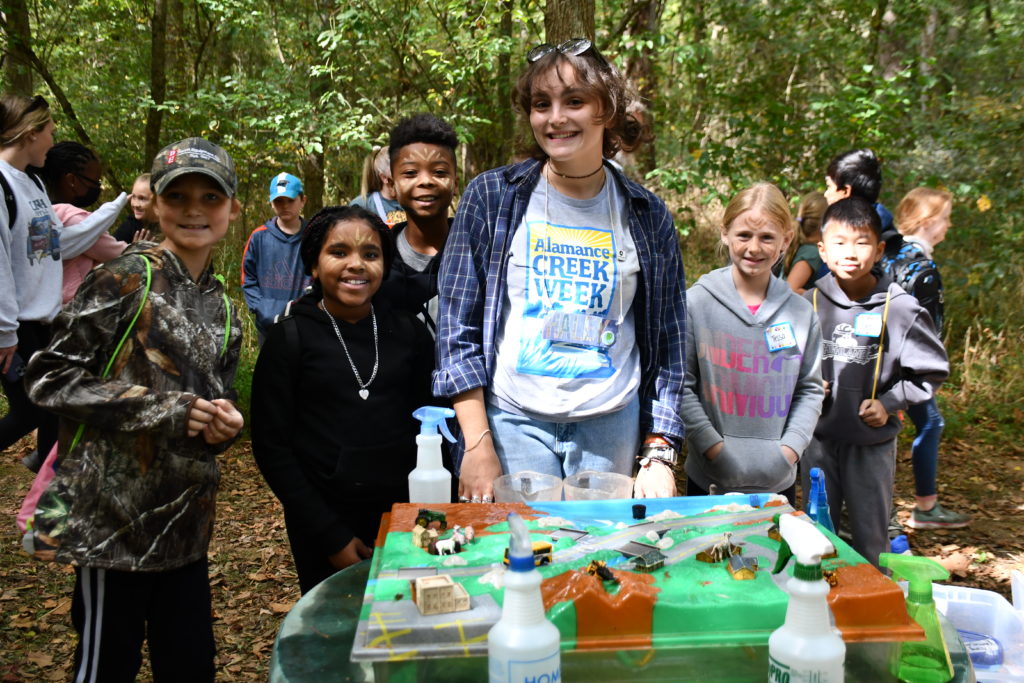
She’s been loving the connections she makes working in schools and conferences throughout the Triad. Haley says working in conservation is important because it teaches future generations how to help protect our planet.

In your own words, what do you do in your current service role?

Currently, I am working on the nature notebooks, which we plan on printing 20,000 of. They are a magazine-type material that will be given to schools and libraries within our municipal areas. I am also currently working on getting my Environmental Education Certificate because I would like to pursue this after my term.

What lessons have you learned since joining the program?

I’ve learned that when working with kids I have had to adjust the language I use in each classroom. Working with 3rd graded is very different than working with an 8th-grade class. I’m expanding my knowledge of working with all different ages.

What do you wish people knew about working with communities to expand conservation?

Environmental education is the most important thing when it comes to conservation. If one doesn’t know exactly what [conservation] entails, then how can they start to help in their communities? Getting people involved in activities outdoors is so important because they might not have that opportunity in their homes, and they get to expose themselves to new and exciting environments.

Haley has options after her time with AmeriCorps, but she knows she wants to continue teaching in her community. Whether she stays in Winston-Salem or goes abroad with PeaceCorps, we can’t wait to see what her future holds!

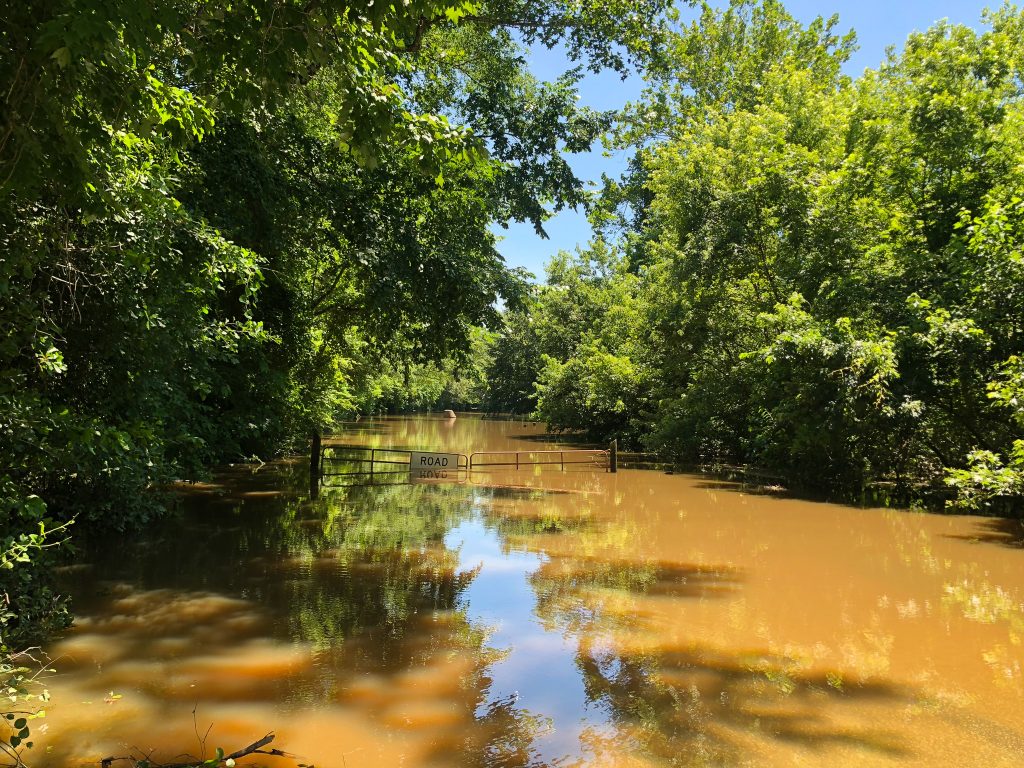
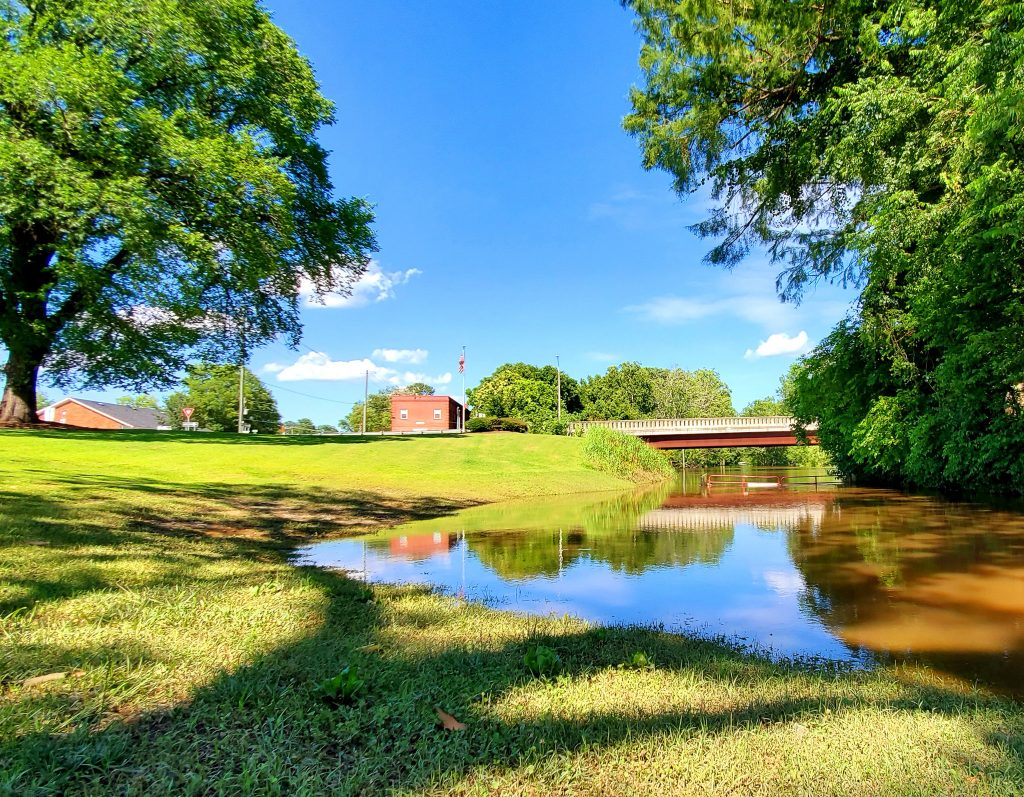
View of the Tar River. Credit: NC State Coastal Dynamics Design Lab

Rebuilding for Resilience – Together

Meet the people of Princeville, N.C. who are utilizing conservation to build a resilient future

As extreme weather events impact communities across North Carolina, places like Princeville are finding innovative ways to rebuild with greater resilience to our changing climate.

In partnership with the Town of Princeville, the Princeville Elementary School, NC State Coastal Dynamics Design Lab, NC State Design + Build Lab and Conservation Corps North Carolina, we are working with citizens to install conservation and restoration projects that will support their goals to build back bigger, better, and bolder.

You can join us in the next phase of this partnership.

Contact Mary Alice Holley, Director of Community Innovation to get involved with our work in Princeville or another community partnership.

Giving Thanks for Land Conservation Trusts in this Season of Gratitude

Fall is in full swing in North Carolina! During this season of gratitude, we celebrate the cooler weather that allows us to enjoy the natural beauty of our state, from mountains to the sea. Whether it’s seeing the leaves change in the Blue Ridge Mountains, walking along the coast at sunset (we have over 300 miles of ocean shoreline!), or enjoying deer hunting season, our state offers endless opportunities to relax, recharge, and reflect.

We are grateful for the dedicated work of North Carolina’s conservation organizations and our partners that make it possible to conserve the land and preserve our state. The conservation trust funds benefit us all and play an important role in supporting a healthy environment, clean water, and a vibrant economy.

North Carolina’s conservation trust funds have worked in concert to fund the projects that keep our state beautiful and help it thrive. Thanks to North Carolina’s conservation organizations, we can enjoy:

  • Jobs and a strong local economy in both urban and rural areas
  • Preservation of historically and ecologically significant places
  • Thriving family farms and forests
  • Places to exercise, hunt, fish, and watch wildlife

The conservation trust funds have been the backbone of our state’s big conservation wins throughout the decades. We applaud our legislators for prioritizing funding for the conservation projects that will protect our state for generations to come.

While the past year brought us untold challenges, it’s also brought an opportunity to step back and be grateful for our blessings. The outdoors offers us all the chance to gather with friends, connect with family, and be one with the beauty of the land.

Now we want to hear from you. What outdoor place are you thankful for in our beautiful state? Snap a photo and share it on your social media channels through Thanksgiving! Follow the hashtag #SeasonOfGratitudeNC to see other photos of favorite spots around the state.

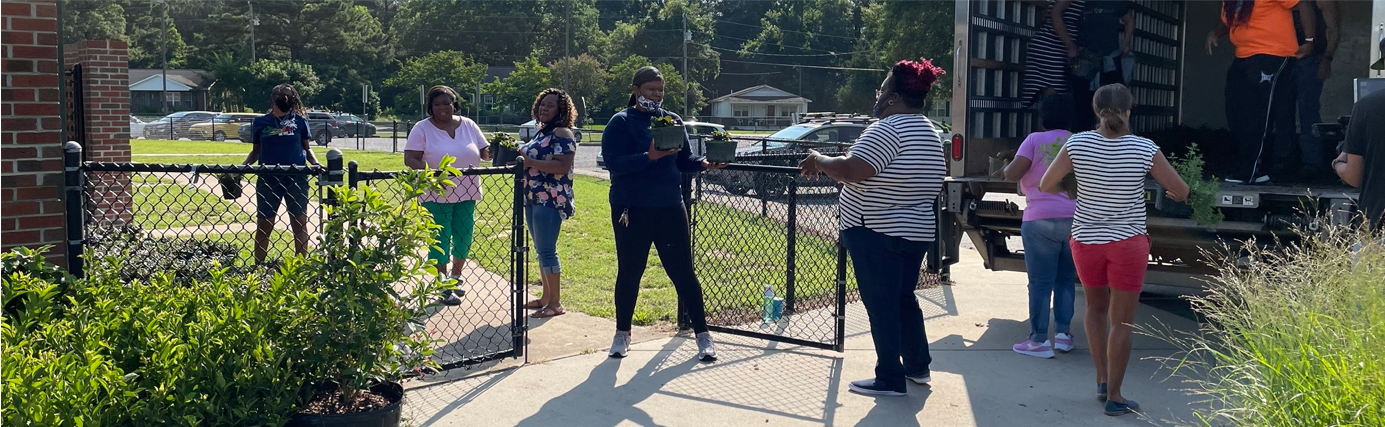
Princeville Elementary School teachers volunteer during a community planting day.

We did it, and YOU made it possible!

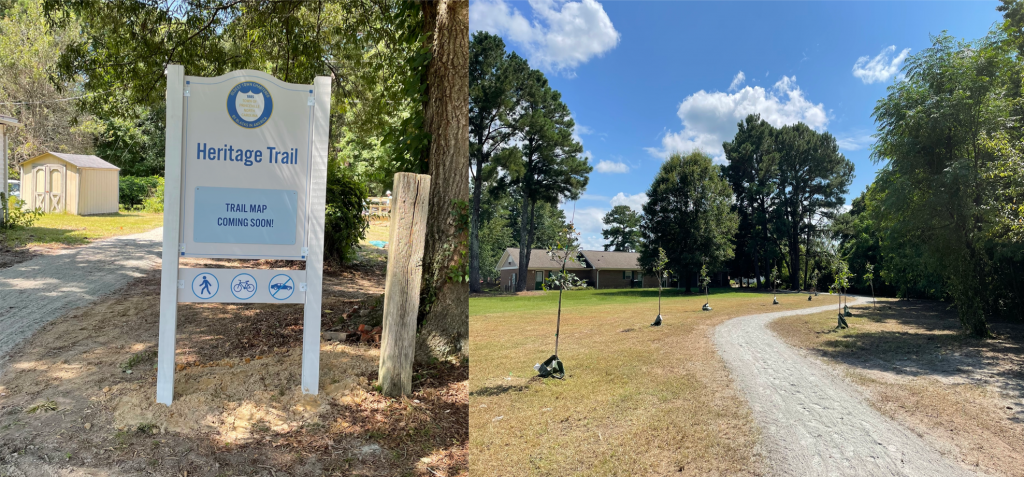
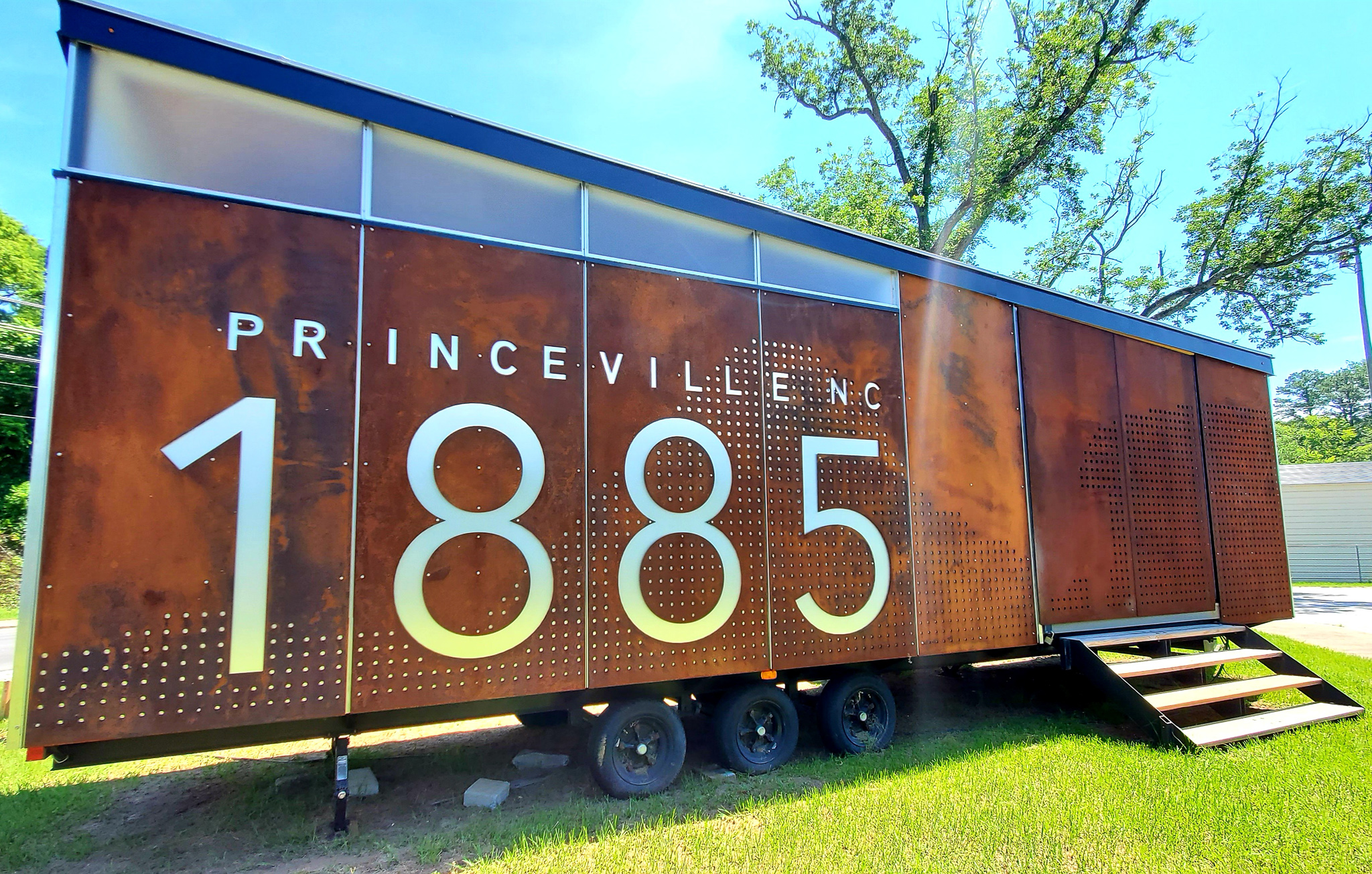
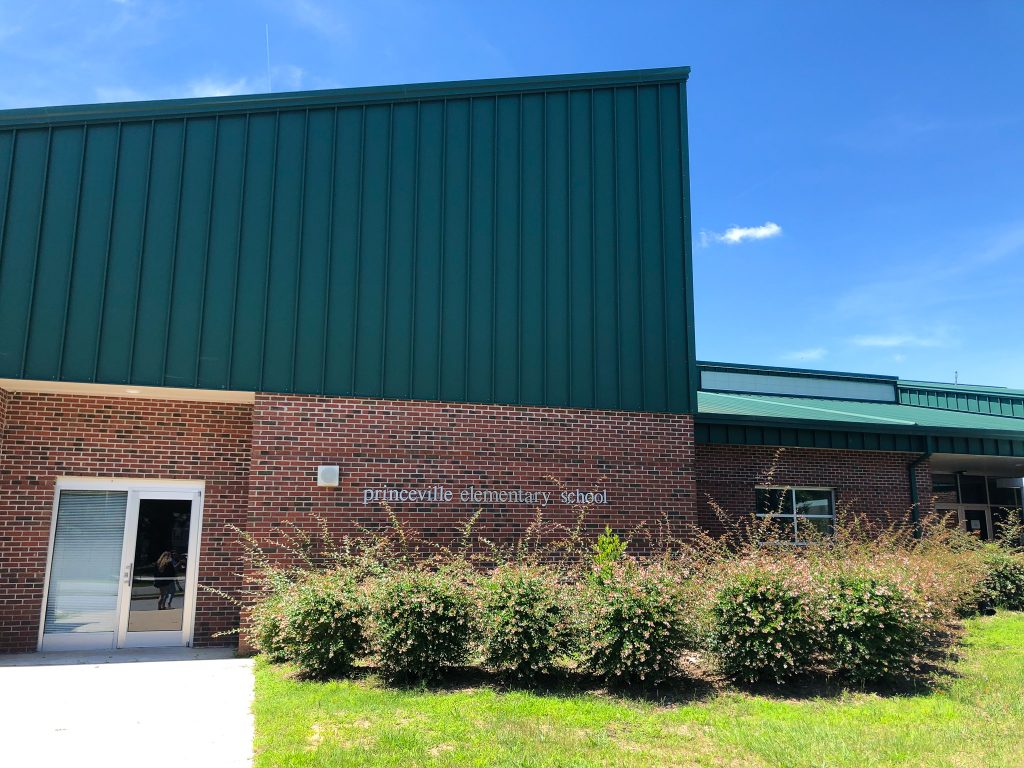
The first phase of CTNC’s work with and for the Town of Princeville is complete, and the students at Princeville Elementary School are so excited to have the outdoor learning lab, educational signage, and the Heritage Trail.

None of this would have been possible without your investment in our vision of community-led conservation.

Princeville Heritage Trail
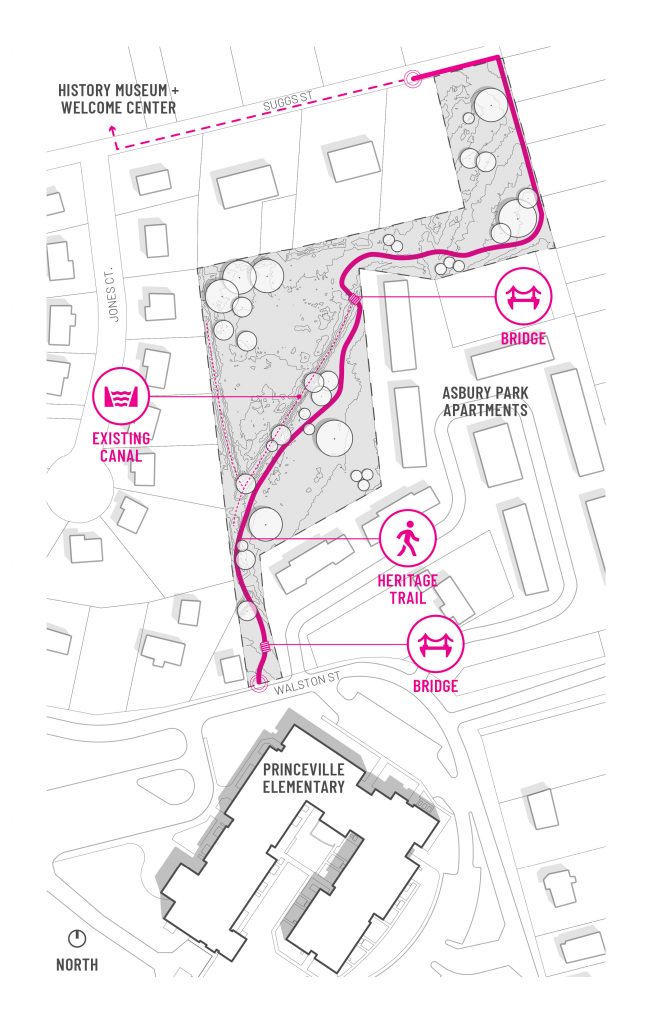
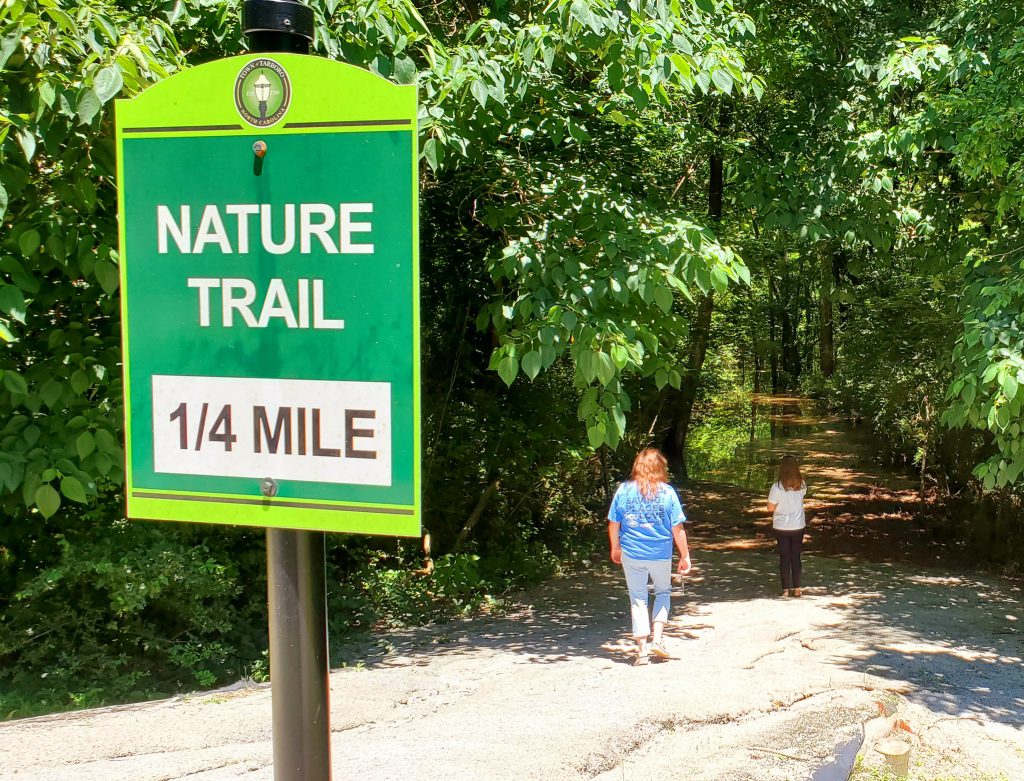
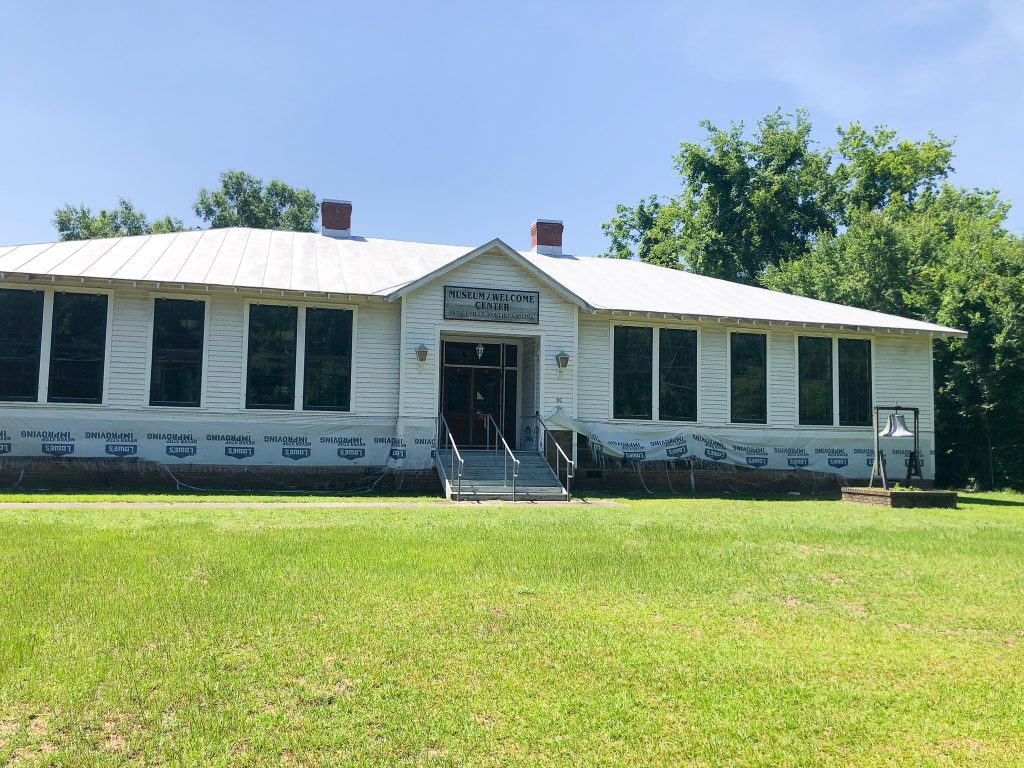
The newly created Heritage Trail will connect Princeville Elementary to the history museum.
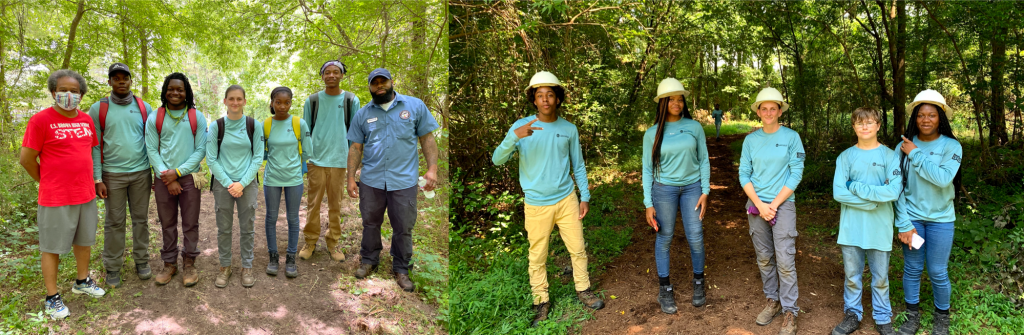
Princeville Youth Crew
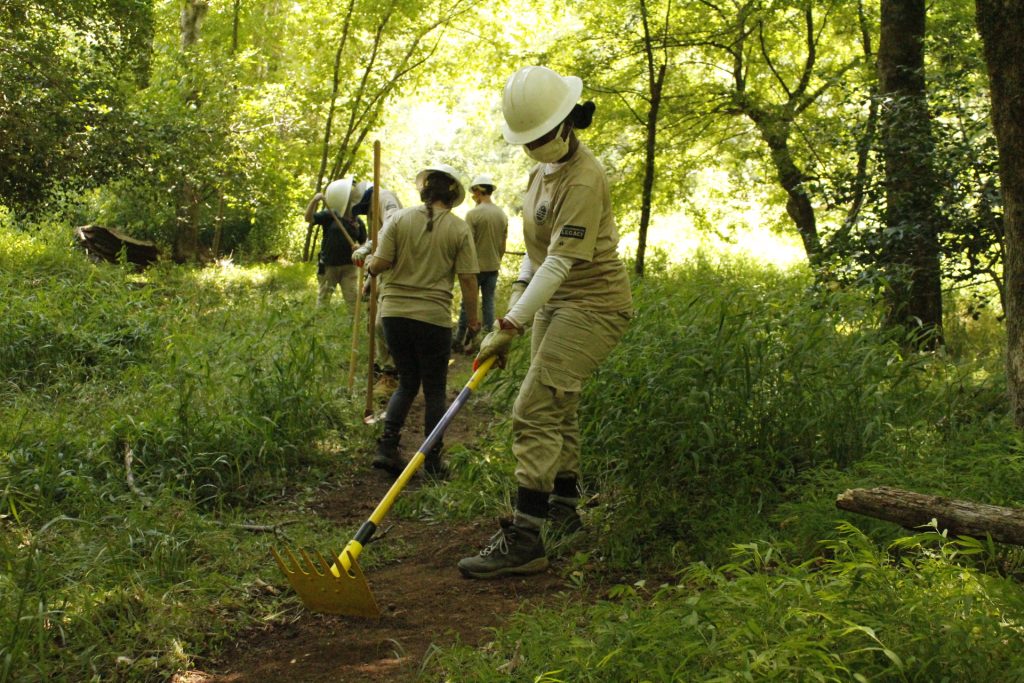
Members of the Conservation Corps North Carolina summer youth crew who executed the work.
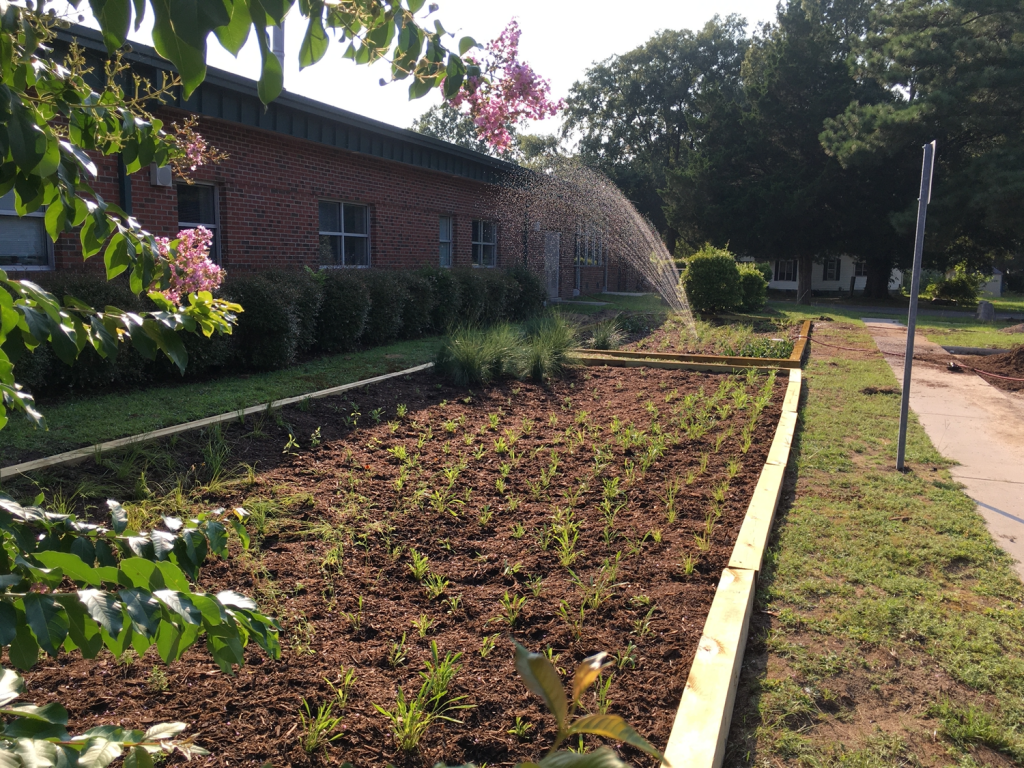
Princeville Rain Garden
Rain gardens designed by NC State Coastal Dynamics Design Lab will capture stormwater run-off from the roof before it flows into the Tar River.
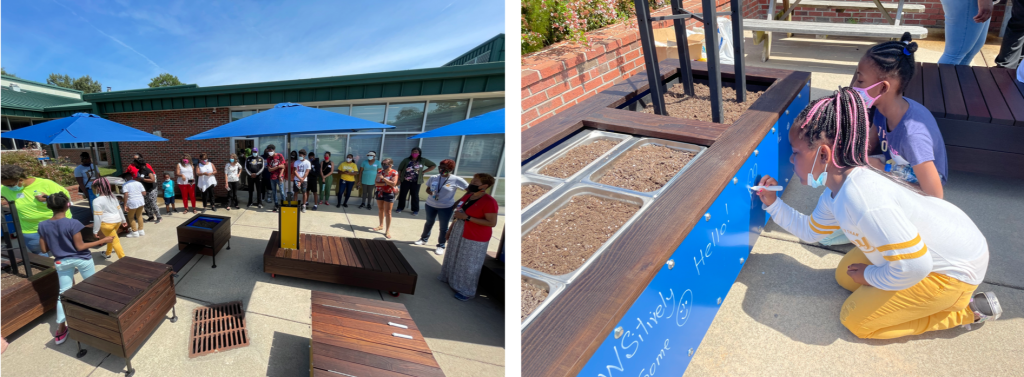
Princeville Education Stations
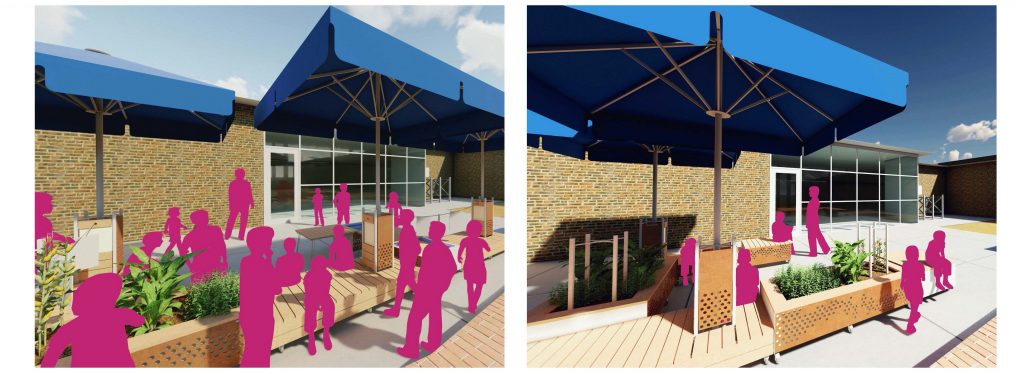
Education Stations built for teachers and students by NC State Design + Build Lab.

Community-led conservation looks different than typical conservation, but it makes an outsized impact for North Carolinians. By being welcomed into the long-term, collaborative work in Princeville, we at CTNC have been welcomed into a much larger community of organizations and agencies looking at resilience across the entire state. By collaborating with local residents, we show conservation can be a tool to protect culturally significant land and provide tangible benefits through youth conservation programming, educational installations, and flood mitigation.

With your investment in our work, CTNC can continue to partner with communities around the state to build a model for community resilience.

Please considering donating today.

Aligning Our Programs to Meet Community Goals

In the work to change the culture and practice of conservation, this means aligning our programs to better meet the community’s goals.

In 2020, our team aligned the goals of our AmeriCorps program to meet new priorities that advance equity, improve public access, and enrich all our lives. The new Resilience Corps NC will harness AmeriCorps funding to hire young leaders on a path to environmental stewardship, outreach and education. These young professionals will work alongside communities to address climate and conservation challenges through service.

Through Resilience Corps NC, CTNC partners with nonprofit host sites in our state to address issues related to disaster services, climate resiliency, race equity and environmental education. In addition, the program supports rising conservation leaders through real-world, hands-on experience, professional development, networking, community engagement and volunteerism. Resilience Corps NC leaders will develop unique skills and collaborate on service projects that strive to build bridges between conservation organizations and the local communities they seek to serve.

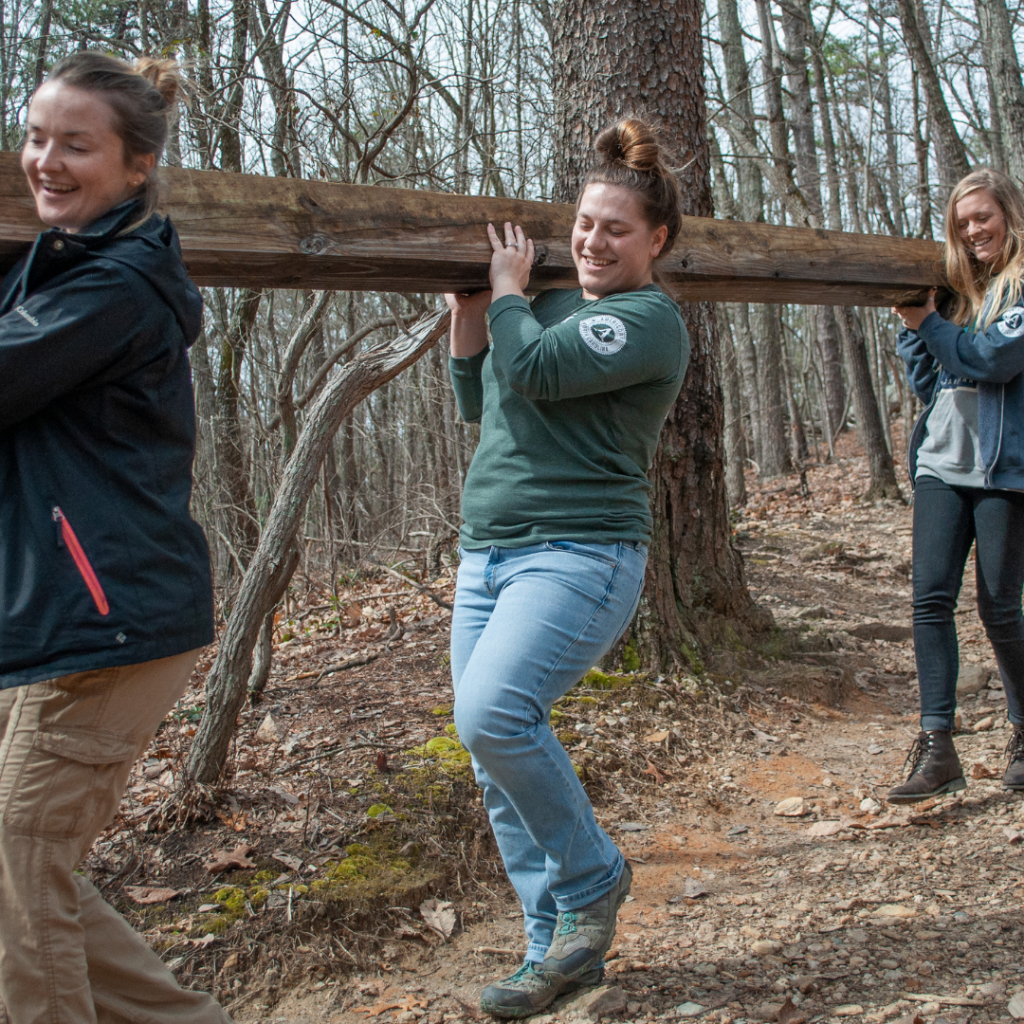
Lacey (center) sharing the load.

New Focus, New Leadership

With this renewed focus, we knew we had the right leadership in our ranks. We just needed to promote her. Lacey Frownfelter is starting her new role as Resilience Corps NC Program Director.

Nick DiColandrea, current AmeriCorps Project Director, has found his next big gig and will leave CTNC in September. Nick’s legacy is building this program, but we’ll miss his can-do attitude, serious Star Wars cred, and steadfast guidance for young leaders.

Looking for a New Team Member

Lacey is currently looking to hire a full-time AmeriCorps Program Associate who will enjoy an expanded role and new responsibilities on the team. Please share this job description widely with your networks.

Youth to Help Seed Resilience at Princeville Elementary School

The Princeville partnership is a model for how conservation can meet community needs.

After Hurricane Matthew flooded many Eastern NC communities in 2016, the Princeville Elementary School was shuttered for four years while renovations took place. This year, as students return to campus, local teens will help install conservation amenities at the school and in the town. The work is designed to help students and their families understand the impacts of future floods, learn how to manage storm water, and participate in their community’s effort to rebuild in ways that are bigger, better, and bolder.

Conservation Led by Community Needs

A collaborative of state and local partners — including CTNC, NC State Coastal Dynamics Design Lab, Conservation Corps North Carolina, and Resilience Corps NC — has been working alongside the Town of Princeville and Princeville Elementary School to develop the community-led conservation project.  The project addresses storm water management challenges while investing in outdoor education amenities for the school and surrounding neighborhood.

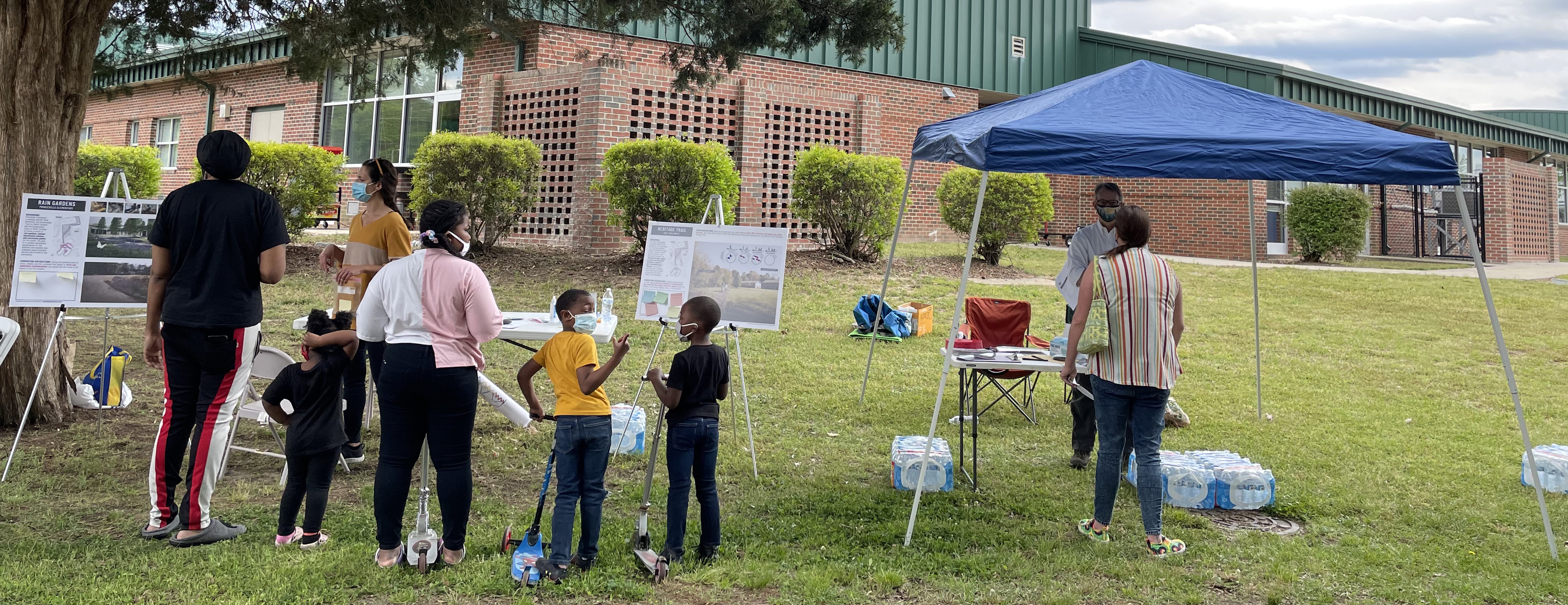
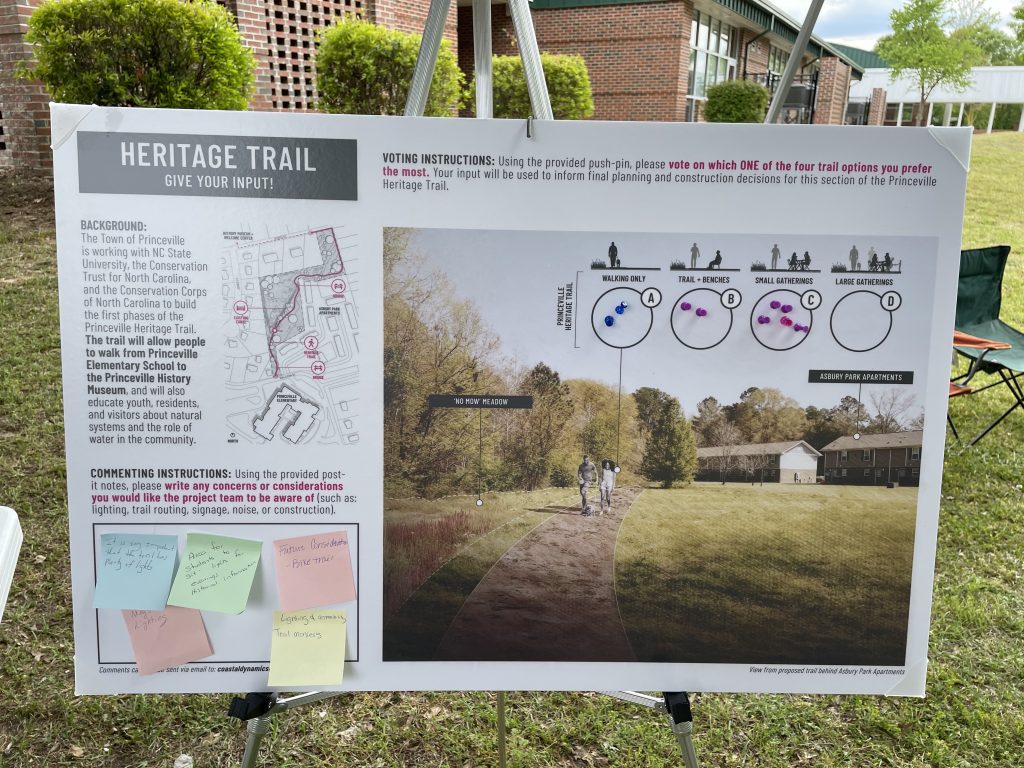
Community members provided feedback on the design of the Heritage Trail.
Map created by NC State Coastal Dynamics Design Lab.

“Princeville is rich in history, traditions, and culture. I’m excited that students will have access and opportunity to learn more about this amazing place we call home.” – Principal Mercer, Princeville Elementary School

A Summer to Seed Resilience

A Floodprint, developed by NC State Coastal Dynamics Design Lab, identified the newly re-opened elementary school as a hub for the community that would benefit from innovative, natural solutions to capture storm water and manage flooding.

NC State’s Design + Build lab students will be installing shaded seating areas, education stations, garden planters, a bee hotel and bird feeders along the School breezeway behind the Library. These installations will support the school’s STEAM (science, technology, engineering, arts, and math) curriculum goals while connecting students to nature through experiential learning. 

Rendering developed by NC State Design + Build students.

Conservation Corps North Carolina, formerly the NC Youth Conservation Corps, will manage two youth crews staffed by Princeville and Tarboro youth ages 15-18. They will assist with construction, maintenance, and installation of storm water management features, outdoor classrooms and the Heritage Trail that connect the elementary school to the Princeville History Museum. The youth will be paid, gain skills in landscape design and maintenance, and participate in networking and professional development opportunities.

Photo provided by Conservation Corps North Carolina.

Neighboring residents are most excited about a trail that will provide a walkable path to the center of town as well as the potential for community gathering spaces like picnic tables.

This summer’s work is but the start of many collaborations over the coming years to fulfill the vision of the Floodprint and other town plans for greater resilience and revitalization. With additional funding, we look forward to implementing more bold ideas generated from, with, and for the Town of Princeville.

Who is involved:

The Town of Princeville and Princeville Elementary School, Conservation Trust for North Carolina, NC State Coastal Dynamics Design Lab, Conservation Corps North Carolina and Resilience Corps NC.

This project is made possible through a grant awarded by the National Fish and Wildlife Foundation/Wells Fargo Program for Resilient Communities, Seeding Resilience Through Restoration and Education in Princeville (NC).

Resilience Corps NC Members Support COVID-19 Vaccine Distribution

“My end goal is medical school, but rather than pursuing clinical research, I want to focus on how the socio-political and biocultural processes shape the daily affairs of medicine: illness, pain, birth, and death,” said Murphy Liu, 26, of Lenoir, North Carolina. “AmeriCorps gives me the chance to engage with the community, which, in turn, allows me to understand and address factors contributing to COVID-19 disparities and to develop sustainable health interventions. Health workers are not shaped only by where they go to school, but the environment of where they choose to practice.”

Murphy is just one of the two dozen volunteers who’ve been serving with Wake County Public Health since January as part of an emerging partnership between the department and CTNC’s Resilience Corps NC program. On any given day, these volunteers could be serving at one of Wake County’s three mass vaccination sites, visiting businesses to help educate them about COVID-19 best practices for their employees and customers, distributing food staples in hard hit economic areas, and promoting testing in high infection ZIP codes around the county.

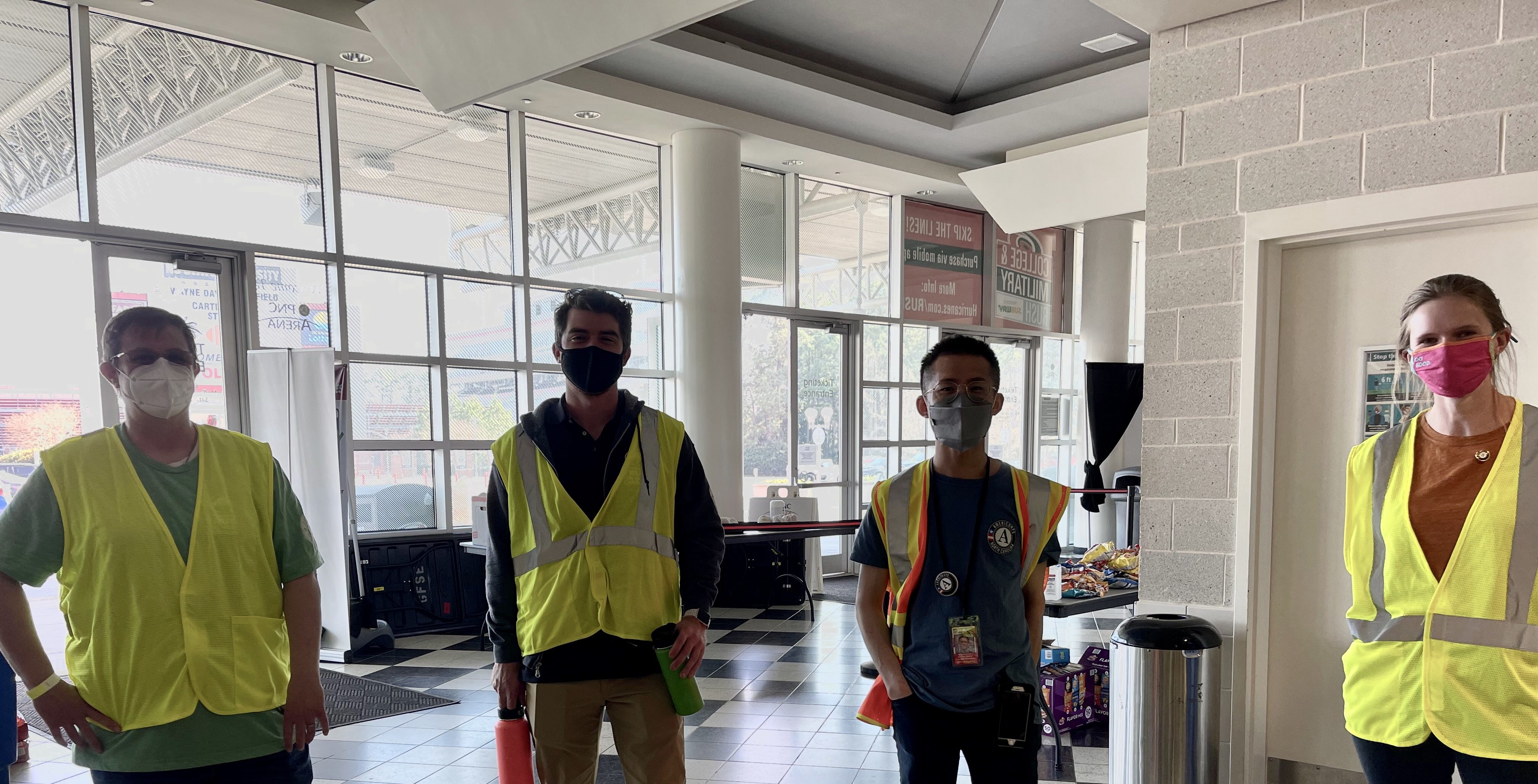
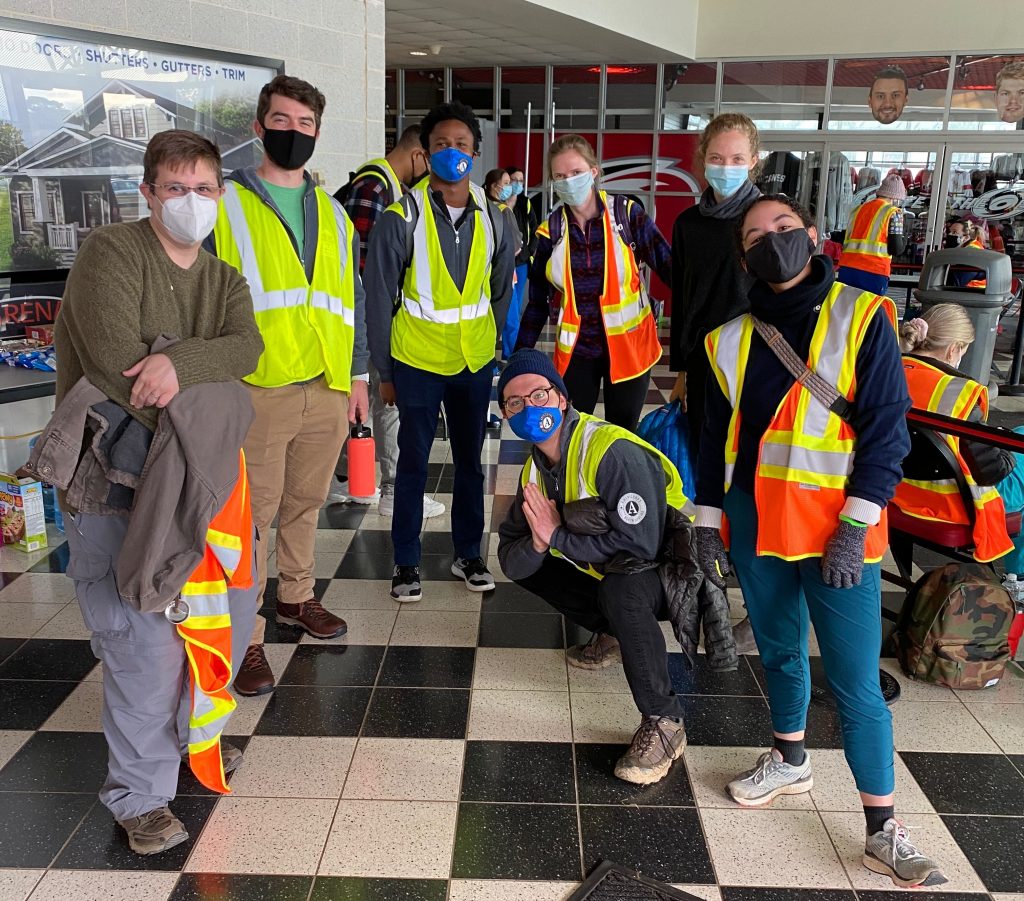
Members are currently stationed at the PNC Arena #COVID19 vaccination site in Raleigh supporting vaccine distribution. Representative David Price spoke with members Loren, Kayla, Murphy, and Mary Grace about their AmeriCorps experience and commitment to service. Representative Price asked members how they’re serving North Carolinians & why they chose AmeriCorps. Watch the video now.


“I am thrilled that our Resilience Corps NC members had an opportunity to be recognized and represent AmeriCorps members serving throughout North Carolina by Rep. David Price during AmeriCorps Week,” said Nick DiColandrea, CTNC’s director of Resilience Corps NC. “The service that our members and their over 500 peers seving across North Carolina give to communities deserve our sincere and utmost gratitude. For them to have a chance to be recognized by Rep. David Price, a Congressional national service champion and recently honored National Service Hall of Fame Inductee brings me immense pride and joy. “

Resilience Corps NC members support vaccine distribution at PNC Arena.

“We appreciate our AmeriCorps volunteers for committing a year of service to important COVID-19 efforts,” remarked Dr. Kim McDonald, Wake County Public Health Director Medical Director Wake County Public Health Services. “They have extended our capacity to reach and serve more people in our county.”

Learn more about Resilience Corps NC and how the program advances our goals to build a more resilient, just North Carolina alongside communities.

A sincere apology

Since the early 2000s, CTNC has been committed to adopting diversity, equity, and inclusion principles into our programs. In 2019, we deepened this path by adopting a values-driven approach to our work. One of those values is authenticity.

Recently, we were given credit for developing a training tool that seeks to educate land trusts on the racialized history of land ownership and land loss as a path to adopting race equity principles within an organization. Although we have found value using this training tool to educate our own staff, board, and partners on the intersection between conservation and race equity, we did not develop the original materials. We should have acknowledged those who did. For that omission, we are sorry.

We’re humbly grateful to the originators of the Land Loss Timeline – dRworks staff, including Vivette Jeffries-Logan and Cristina Rivera-Chapman — and those who have expanded its uses for CTNC — Melanie Allen, Justin Robinson, and Victoria Chetty. Their collective work has been influential in helping CTNC lift up the importance of race equity in conservation.

We honor BIPOC conservationists who tirelessly help build a better conservation sector for all people. We remain committed to examining how white and BIPOC allies, together, can advance conservation in ways that build resilient, just communities for the benefit of all people; seed race equity in conservation; and understand how we as an organization can be authentic and supportive partners to the communities we serve alongside now and in the future.

Signed by Jamilla Hawkins and the CTNC Board of Directors

Restoration and Education Seeds Resilience with Princeville Elementary School Community

Diverse Partnerships and Long-term Funding Spur First Phase in Princeville Floodprint

Since its founding as Freedom Hill in 1865, Princeville has survived the chaos of Reconstruction, the institutionalized discrimination of the Jim Crow era, and in recent years, multiple devastating floods. Resilience has long characterized this community — and of course, its people. Now, Princeville is charting a path toward a resilient, thriving future.

In September, the Princeville Board of Commissioners voted unanimously to approve a “Floodprint” to help guide how Princeville can better live with flood risks while enhancing its historic center and economic future. The plan is the result of years of work and input from the community. Town leaders and residents worked in partnership with NC State University’s Coastal Dynamics Design Lab to envision ways to better live with the risks of flooding while enhancing its historic center and economic future. Click here to view the entire Floodprint or watch the video below.

FUNDING AWARDED TO SEED COMMUNITY RESILIENCE

The Elementary School underwent extreme flooding in 2016.

CTNC was recently awarded a $200,000 grant from the National Fish and Wildlife Foundation and Wells Fargo Resilient Communities Program to implement the first phase of the Floodprint: Seeding Resilience Through Restoration and Education in Princeville. “Seeding Resilience” will design and install green infrastructure on the grounds of the recently renovated and flood-proofed Princeville Elementary School building, so it can better manage future floods. 

The project will reduce flood risks at the school and the adjacent Asbury Park apartments, a rental assistance complex for low-income families. It will also create an educational trail from the school toward the historic Princeville Museum. Improvement of the landscape areas around the school provides opportunities for direct water management and storage for the center of the community and all housing surrounding it. It also will beautify an area that has long served as the communal hub for the town. 

But this plan goes far beyond just land. This is about serving alongside the resilient people of Princeville.

For three years, students living in Princeville had to attend schools in nearby towns after Hurricane Matthew hit the town in 2016 and flooded the town — including the school. With the reopening in January 2020, after a $6 million renovation and flood-proofing, the Princeville Elementary School welcomed back its almost 200 students and has since become a symbol of hope for revitalizing and reconnecting the community. And then, of course, COVID-19 disrupted the reopened school. CTNC and partners believe that realization of a successful, collaborative project at Princeville Elementary, visible and tangible to residents and visitors, will encourage further engagements toward sustainability and resilience in the community that is too often left to build itself back up after disaster.

The Elementary School project is a symbol of hope for the Princeville community.

“To best serve the people of Princeville, the Elementary School campaign will be a collaborative effort just as the Floodprint plan has been since its inception.” – Chris Canfield

There are many groups involved in this community-led effort.

  • A Conservation Corps North Carolina crew will support implementation of the design plans, including building a trail that will connect the school with the Princeville History Museum. 
  • A Resilience Corps North Carolina member will work with teachers at the school to develop an environmental education curriculum related to water management.
  • Design students from NC State University will collaborate with youth work crews from Conservation Corps NC and local Princeville students in planning and construction.
The Princeville Museum ensures the legacy and rich history of African Americans in Princeville will not be forgotten.

This is certainly an ambitious enterprise: one that requires many hands. CTNC is grateful for the partnerships in Princeville helping to build a resilient future together. Investing in North Carolina’s rich African American history through conservation-focused resources will lift up a shared vision we can all be proud to support and carry forward.

COLLABORATIVE PARTNERSHIPS MAKE COMMUNITY-LED CONSERVATION POSSIBLE

The Floodprint plan is the result of years of work among partners with the Town of Princeville, NC State University’s Coastal Dynamics Design Lab, The Conservation Fund, the Upper Coastal Plain Council of Governments and Conservation Trust for North Carolina. This project is made possible with support from Z. Smith Reynolds Foundation and The Duke Energy Foundation. Thank you to these wonderful partners.

Launching the first phase of the Floodprint is made possible by a Resilient Communities Grant from the Resilient Communities Program, a collaboration between Wells Fargo and the National Fish and Wildlife Foundation (NFWF).

We thank these entities for their generous investment and for seeing the crucial need to help communities better prepare for and respond to climate-related natural disasters by investing in green infrastructure.

“This program continues to demonstrate how local communities can use the benefits of natural ecosystems to provide for a more resilient future for our nation,” said Jeff Trandahl, executive director and CEO of NFWF. “The 11 grants we announce in partnership with Wells Fargo will work to build resilience locally, to help communities meet future challenges through natural systems and resources, and will benefit habitats for birds, fish and other wildlife.”

This has been an extraordinary journey over the last few months, but boots are now on the ground implementing the visions of so many that are deeply invested in building a thriving future for all in Princeville. Learn more about this collaborative.

**The views and conclusions contained in this document are those of the authors and should not be interpreted as representing the opinions of the National Fish and Wildlife Foundation or its funding sources. Mention of trade names or commercial products does not constitute their endorsement by the National Fish and Wildlife Foundation or its funding sources.**

Categories