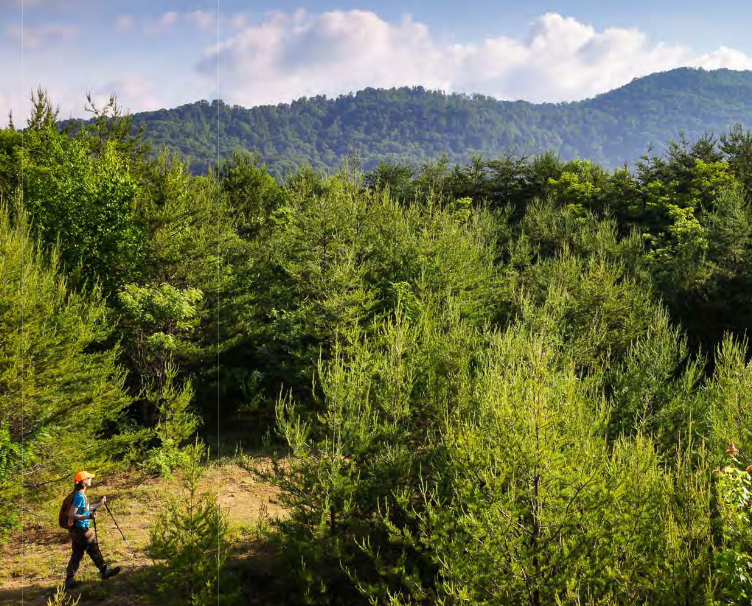
Land trusts like CTNC are critical partners in quickly moving to preserve land for expansion of park boundaries.
As 2021 draws to a close, we have another accomplishment to share for those who want to preserve the wild, scenic, and beautiful vistas of the Blue Ridge Parkway.
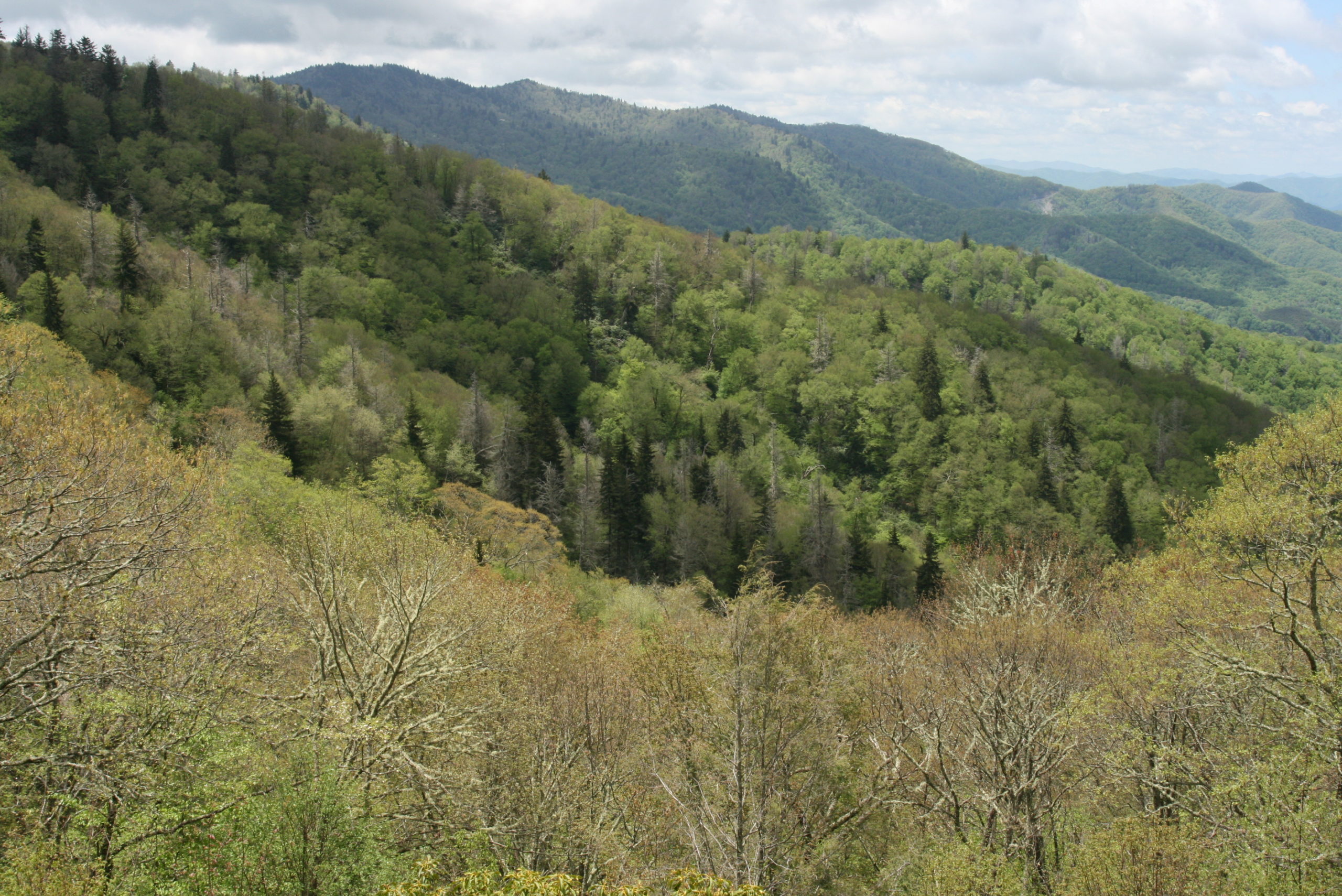
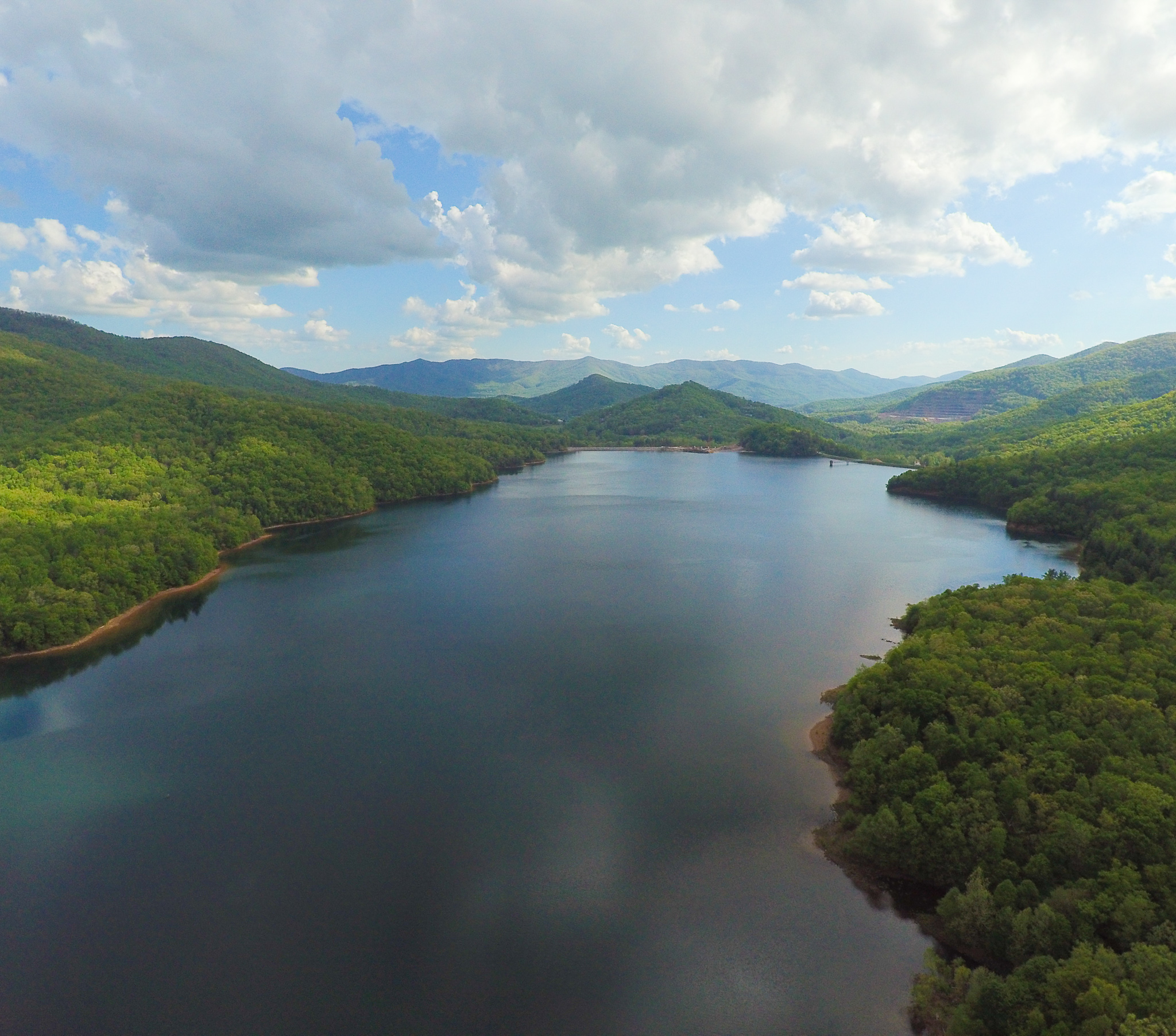
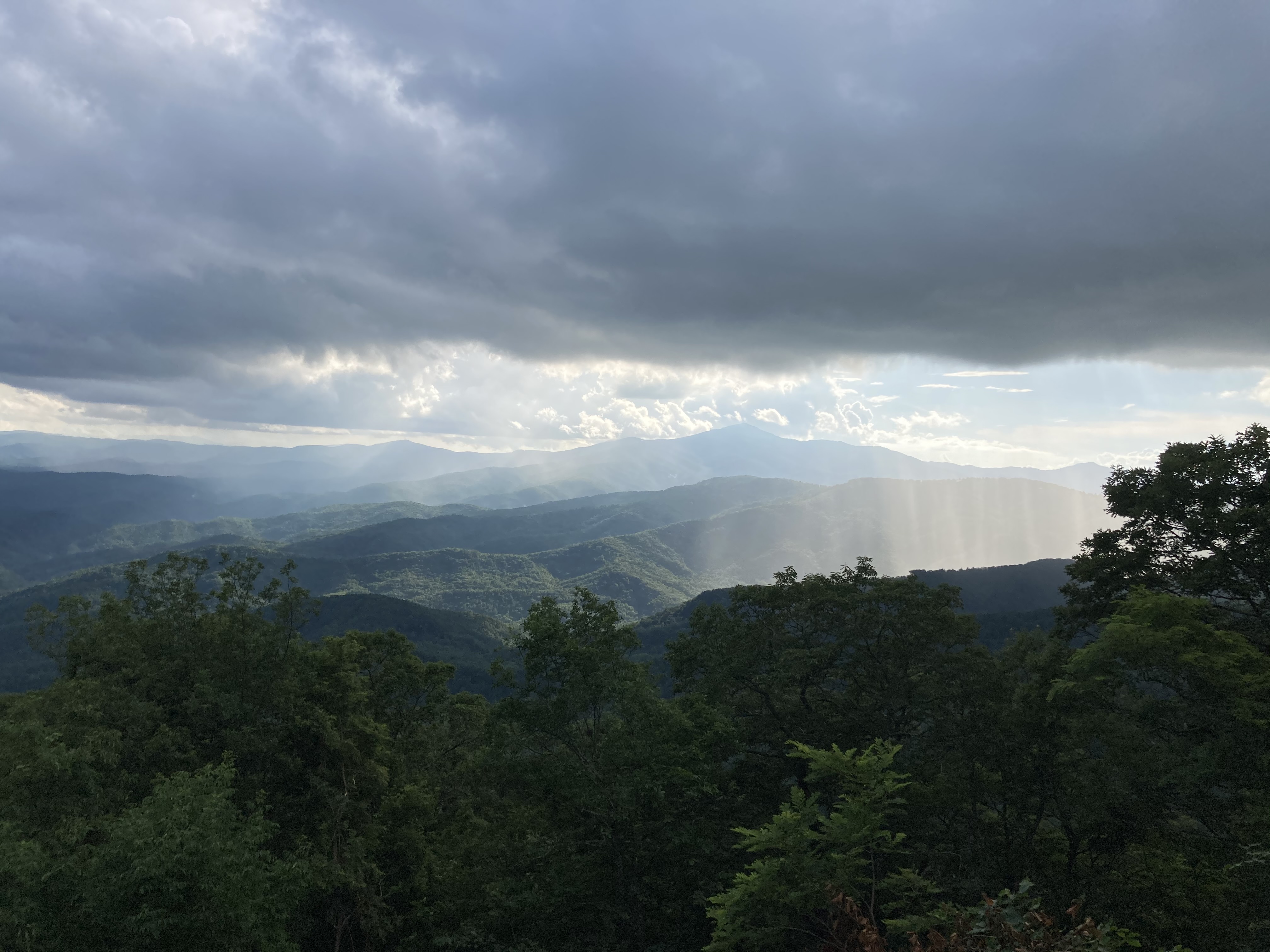
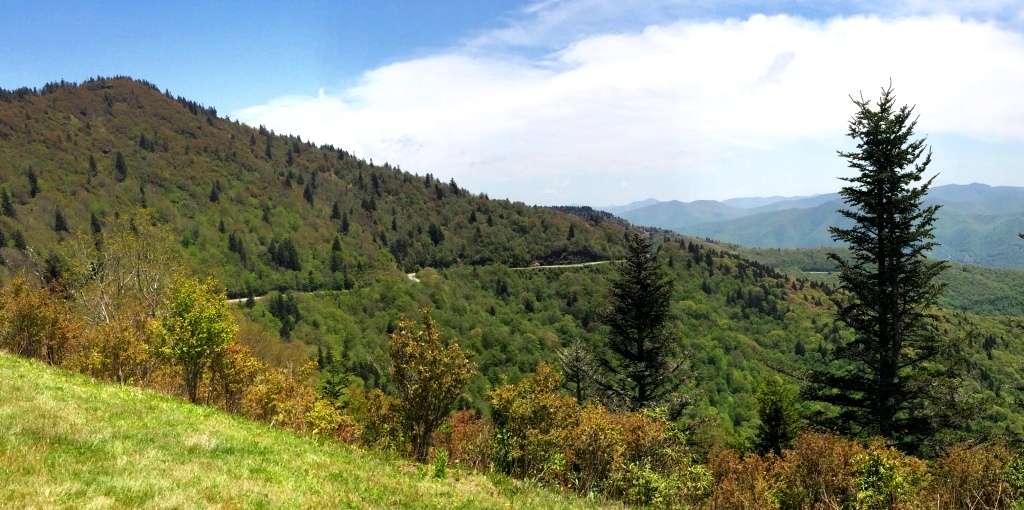
View from Scott Creek Overlook property. Credit: Rusty Painter
We can all agree that preserving private land for conservation is important.However, it is also incredibly important to expand our federally-protected lands at the same time. Land trusts like CTNC are critical partners in quickly moving to preserve land for expansion of park boundaries. Often, threatened properties can only be saved by rapid action that’s simply not feasible for our government partners.
In this case, CTNC held these parcels in conservation protection for eight years while the Parkway worked through the proper channels to accept them into the federal system for permanent conservation. Without a land trust partner, these transactions wouldn’t be possible, and without your support, land trusts couldn’t continue this important work.
“This acquisition is an important gift to future generations. I appreciate all of the effort on the part of Conservation Trust for NC and the Blue Ridge Parkway staff to get us to this point.”
Blue Ridge Parkway Superintendent Tracy Swartout
“We extend our sincerest thanks to CTNC for holding onto these properties for the past eight years! We’re on track to accept several more CTNC properties this year. We’ll have more to celebrate in the coming months.”
Alex Faught, Realty Specialist, U.S. Department of the Interior, National Park Service
Our successes are not always instantaneous, and it’s through the unwavering support of our conservation and community partners that we’re able to preserve and protect the best parts of our state.
CTNC’s long-standing relationship with the National Park Service, and generous donors, makes it possible to expand the Parkway boundary to include more trails and open space, protect critical headwaters, inspirational views, and slow the impacts of climate change by conserving forested land.
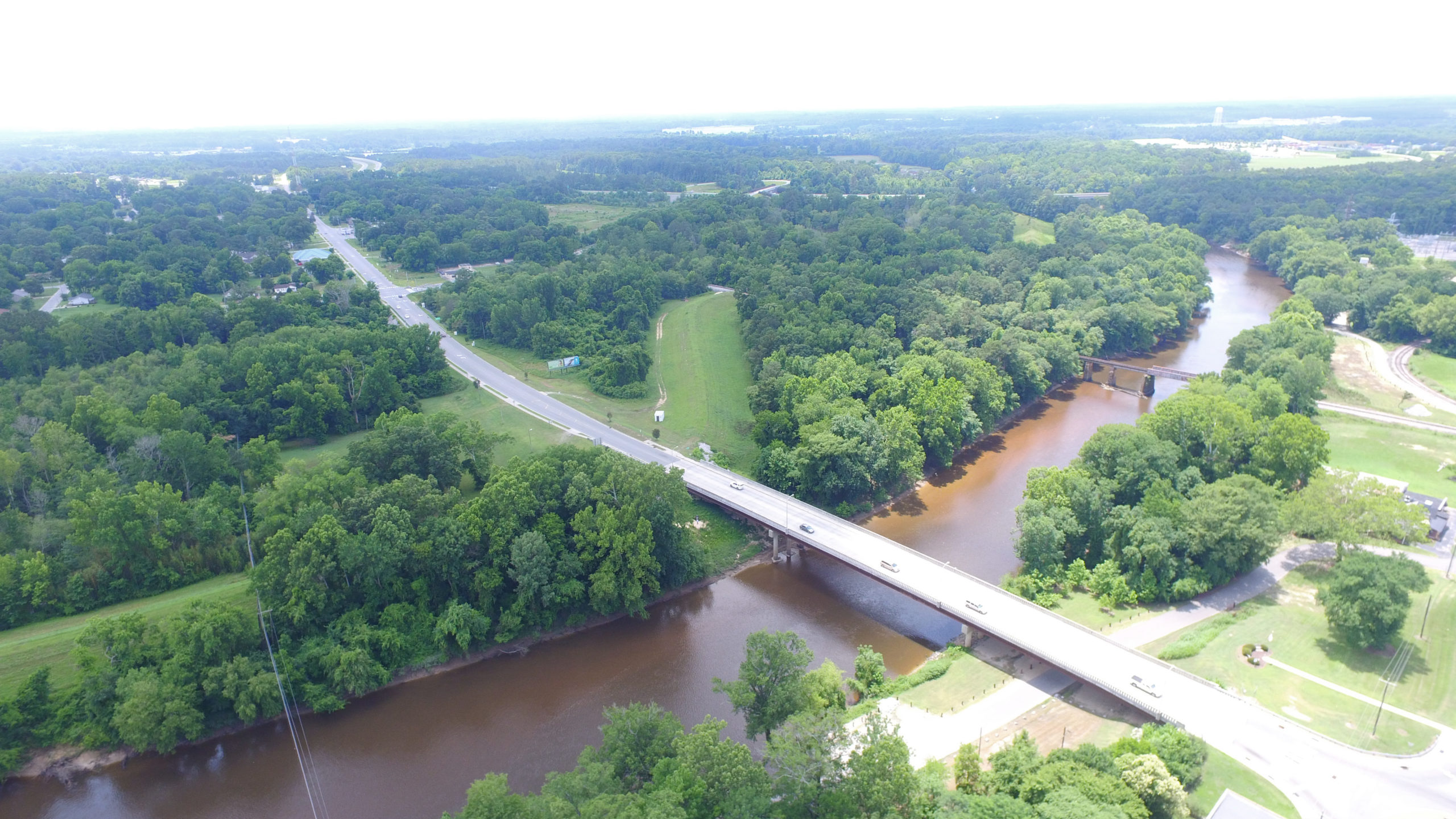
View of the Tar River. Credit: NC State Coastal Dynamics Design Lab
Meet the people of Princeville, N.C. who are utilizing conservation to build a resilient future
As extreme weather events impact communities across North Carolina, places like Princeville are finding innovative ways to rebuild with greater resilience to our changing climate.
CTNC Earns National Recognition fromLand Trust Accreditation Commission
Conservation Trust for North Carolina (CTNC) is proud to share it has renewed its land trust accreditation – proving once again that, as part of a network of over 400 accredited land trusts across the nation, it is committed to professional excellence and to maintaining the public’s trust in its conservation work.
“Renewing our accreditation shows CTNC’s ongoing commitment to permanent land conservation in North Carolina,” said Chris Canfield, executive director. “We are a stronger organization than ever for having gone through the rigorous accreditation renewal process. Our strength means natural areas from the Blue Ridge Parkway to central North Carolina and the coastal region will be protected forever, so our communities will be more resilient for our children.”
CTNC provided extensive documentation and was subject to a comprehensive third-party evaluation prior to achieving this distinction. The Land Trust Accreditation Commission awarded renewed accreditation, signifying its confidence that our conserved lands will be protected forever. Accredited land trusts now steward almost 20 million acres – the size of Vermont, New Hampshire, Massachusetts, Connecticut and Rhode Island combined.
“It is exciting to recognize CTNC’s continued commitment to national standards by renewing this national mark of distinction,” said Melissa Kalvestrand, executive director of the Commission. “Donors and partners can trust the more than 400 accredited land trusts across the country are united behind strong standards and have demonstrated sound finances, ethical conduct, responsible governance, and lasting stewardship.”
Conservation Trust for North Carolina is one of 1,363 land trusts across the United States according to the Land Trust Alliance’s most recent National Land Trust Census.
About the Land Trust
Accreditation Commission
The Land Trust Accreditation Commission inspires excellence, promotes public trust and ensures permanence in the conservation of open lands by recognizing organizations that meet rigorous quality standards and strive for continuous improvement. The Commission, established in 2006 as an independent program of the Land Trust Alliance, is governed by a volunteer board of diverse land conservation and nonprofit management experts. For more, visit www.landtrustaccreditation.org.
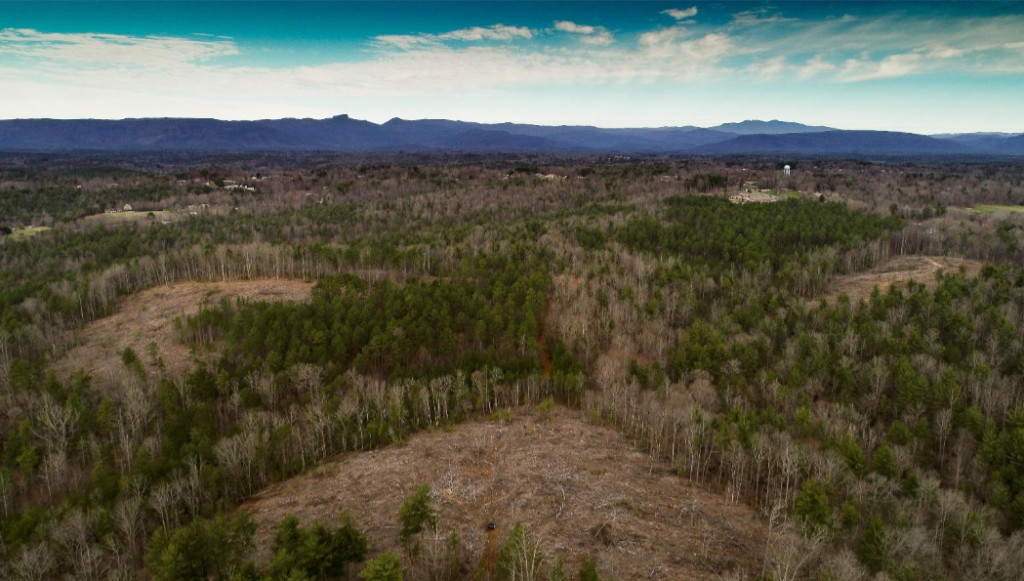
DCIM100MEDIAMAX_0020.JPG
Funding Critical Land Conservation in Western North Carolina
Through the Mountain Revolving Loan Fund, CTNC awards small grants to land trusts conserving critical lands in Western North Carolina.
From direct assistance with land protection to awarding small grants, CTNC is proud to work alongside and support the efforts of our land trust partners throughout North Carolina. Each year, CTNC offers low-interest loans, and awards small grants through our Mountain Revolving Loan Fund to facilitate critical conservation projects spearheaded by local land trusts in Western North Carolina.
The purpose of the Mountain Revolving Loan Fund (MRLF) is to provide bridge financing with minimal interest to North Carolina land trusts for the purchase of conservation land and easements. This fund was established with the help of a generous donor with a passion for conservation in Western North Carolina. A unique component of the MRLF Program is our small grants program, whereby CTNC awards grants of up to $25,000 each to eligible land trusts for land and easement acquisitions. Unlike the loans, these grants do not have to be paid back by the recipient.
“CTNC’s MRLF loans and grants have been crucial components of many conservation successes by our partners in Western North Carolina,” said Rusty Painter, Land Protection Director. “By the very nature of the MRLF Program, as loans are repaid, the money becomes available to re-lend, thus continually providing a stream of financing that allows land trusts to respond quickly to properties highly threatened by development. A percentage of the balance of the loan fund is given out each year in grant awards.”
Each year CTNC receives many fantastic applications from our partners. This year, CTNC awarded $113,400 to seven land trusts. Here is a list of the great projects we are proud to support:
Oak Hill Community Park & Forest project in foreground. BRP in background. (Photo courtesy of FCNC.)
The Foothills Conservancy of North Carolina (FCNC) was awarded $20,000 to help fund the new Oak Hill Community Park and Forest. FCNC will manage and develop this land near Morganton in central Burke County for a community park, forest, and farm. Establishing a free, public park and forest will improve the quality of life for all citizens of Burke County and Morganton through easy access to nature for passive outdoor recreation, environmental education, community agriculture, and archeological exploration.
Blue Ridge Conservancy (BRC) was awarded $12,650 to design the Valle Crucis Watauga River Access in Watauga County. BRC purchased the 2.5 acre property in partnership with a conservation buyer to create a public access to the Watauga River. This project is in connection with a greater mission to provide public access to land and water resources, especially recreation as this land will become a public access site for fishing, tubing and paddling.
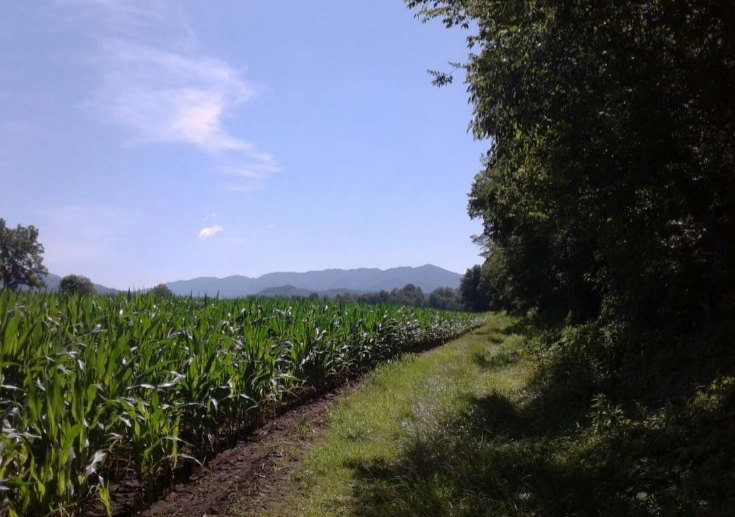
View looking east along edge of Valley River area. (Photo courtesy of MCT).
Mainspring Conservation Trust was awarded $17,500 for their Wood Farm project in Cherokee County, an important acquisition to protect 391.53 acres of land and the largest intact farmland tract in Western North Carolina. This is a strategic acquisition for Mainspring as the land adjoins three adjacent conservation easements, which together will protect agricultural soil classified as Prime and Soil of Statewide Importance, 2- miles of Valley River (classified C and Trout Waters), and four tributary streams.
Conserving Carolinahas been awarded $15,000 to fund theFranklin Bog property that will protect over 17 acres in Henderson County. By protecting this important land tract, Conserving Carolina will prevent upland development that would impact the recent, expensive bog restoration done under the direction of expert Dennis Herman. Protecting this site will also preserve a pond adjacent to the DOT restoration site, a pond which the US Fish and Wildlife Service has documented to provide key habitat to southern bog turtles who enjoy basking at the edge of the pond. Additionally, the pond offers an excellent opportunity for restoration to enlarge the bog in the future.
Chestnut Mountain Property. (Photo courtesy of SAHC).
Southern Appalachian Highlands Conservancy (SAHC) has been awarded $20,000for the Chestnut Mountain property to protect 448 acres in Haywood County. The majority of the property will be a conservation easement with forest and trails. SAHC is already drafting an exciting future for the location by planning to build a 91-acre “park hub” that will contain park infrastructure such as a pavilion, some parking, a bike skills progression course for all ages, and bathrooms. This large tract under protection will also permanently protect 9 miles of stream in the French Broad River Basin, as well as secure habitat for NC wildlife, including three rare species: white bear sedge, upland bladder fern and the Cherokee melanoplus grasshopper.
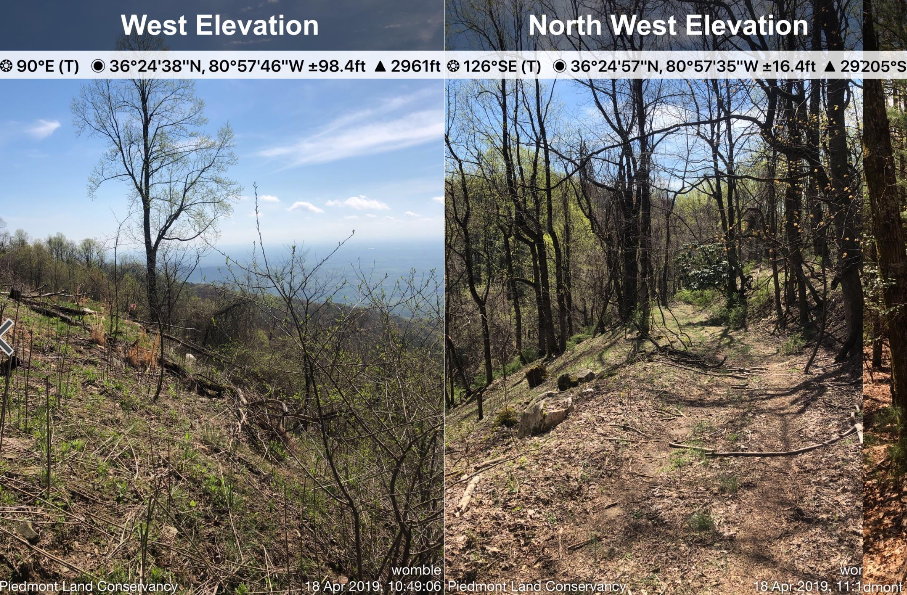
Piedmont Land Conservancy (PLC) has been awarded$12,500 to complete a donated easement on 322 acres of the Womble family land in Alleghany County. The property is completely undeveloped with several headwater streams and forests. This property is situated in the headwaters of the South Fork of the Mitchell River, which has been a key protection initiative of PLC since 1999. In addition to protecting Mitchell River headwaters, another conservation value of the Womble property is that it is located on the Blue Ridge Escarpment, one of the most ecologically diverse regions in North Carolina.
The Womble property. (Photo courtesy of PLC).
Highlands-Cashiers Land Trust (HCLT) has been awarded $18,350 to place a 25-acre easement on the Horse Cove Bog property in Macon County. The Horse Cove conservation easement is a new project but has been on HCLT’s high priority list since 2011, and the land trust has worked with the land owner on three other easements. The Horse Bog Cove is currently unprotected, but it holds special conservation value: it is the site of an existing bog and a wetland complex associated with seeps at the toe of Rich Mountain. The property also has a rich heritage: the valley bottom of Horse Cove is the gateway to the Highlands/Cashiers Plateau and was settled as early as 1835 to build pasture lands and homes.
These are just a few examples of critical projects CTNC is able to support in Western North Carolina with the support of generous land conservation donors. From parks to farms to bogs, CTNC is proud to support the diligent efforts of our land trust partners. The Mountain Revolving Loan Fund and small grant program serves as an important reminder that we are all allies in the work to build a more resilient and just North Carolina.
Your donation can make the difference for ensuring communities have safe, healthy drinking water in perpetuity.
Few things are
more fundamental to life than water. We need water in the right amounts in the
right places with the highest quality. Yet more and more we face water
shortages, water quality declines, and rising waters that flood communities.
The key to healthy land and well-managed
water is an engaged community that identifies threats and finds solutions to
care for the places they love. As part of our conservation community, you have made a
tremendous impact on our efforts to conserve land and water for North Carolina.
Plans are already being put into action through a $200,000 investment by the National Fish and Wildlife Foundation. The first phase of the Floodprint effort includes a collaborative community project to build water-absorbing, green infrastructure around the Princeville Elementary School for the benefit of its students and the surrounding community.
Thanks to
multiple funding partners and support from generous donors like you – we
continue to make major strides toward building resilient, just communities
throughout North Carolina. Because of your investment in our work, we are
able to develop a model for community resilience that can be replicated across
the state and the nation.
This year, we have set a very ambitious goal of raising $130,000 by December 31 and we simply cannot meet this goal without your help. A gift before the end of the year would help ensure that we are able to continue our conservation work in 2021 and that our model for conservation is one that other organizations across the country not only learn from, but also emulate and implement in their own communities. You have been with us every step of the way as we built a bold new concept of conservation. Can you make a gift today in support of our work?
Private Investment in Watershed Protection Advances Triangle Conservation Efforts
Novel partnerships and long-term collaboration enable the region to address watershed health
North Carolina’s Triangle region (Raleigh-Durham-Chapel Hill-Cary-Garner) is one of the fastest-growing areas in the country. Rapid development threatens the forests, wetlands and grasslands that naturally protect drinking water supplies for 600,000 people in Raleigh, Garner, Wake Forest, Rolesville, Knightdale, Wendell and Zebulon areas. Natural infrastructure, like forests and wetlands, can address these challenges by providing basic services from water flow regulation and flood control to water purification and water temperature regulation. But with the rising cost to acquire land in and around the Triangle, protecting these places has become increasingly costly for nonprofits and public agencies.
In recent years, public agencies Raleigh Water, Wake County, City of Durham and Town of Cary have worked alongside local land trusts including Conservation Trust for North Carolina, The Conservation Fund, and Triangle Land Conservancy to acquire and manage land in the Falls and Jordan Lake watersheds. Now, the Caterpillar Foundation is among corporate foundations and private investors stepping up to fill a critical funding need.
The Foundation will invest $250,000 in natural infrastructure and land conservation as part of a new partnership to safeguard important local natural lands.
“Local communities in the
Triangle Region are increasingly investing in natural infrastructure, although
the COVID-19 pandemic has strained public budgets and limited cities and their
utilities resources and capacity to protect vast watersheds at a critical
time,” said Edward Buchan, City of Raleigh.
This initiative fits into a growing movement to
integrate natural infrastructure with traditional concrete-and-steel
infrastructure to improve delivery of core services, like drinking water and
flood protection, while increasing resilience. World Resources Institute, a
global research organization, has advised this alliance on strategies to
combine “green” and “gray” infrastructure by leveraging new partnerships and
funding opportunities. The Caterpillar Foundation is one of the first corporate
foundations to develop a dedicated program to support this new approach.
“Novel partnerships and long-term collaboration are
critical to addressing watershed health across the region,” said CTNC Executive
Director Chris Canfield. “Everyone has a role to play. Public water users
provide the base funding through the utilities, land trusts collaborate on
protection plans and secure the land, and private partners like the Caterpillar
Foundation help get it all over the finish line.”
The
Caterpillar Foundation hopes to both accelerate the program with this new
financing and encourage volunteer engagement of their locally-based employees.
“This partnership provides us the opportunity to not only
advance an exciting new model for watershed protection, but does so in a
community in which many Caterpillar families call home,” said Caterpillar
Foundation President Asha Varghese. “We hope the success of initiatives like
this can build momentum for new environmental innovation and investment. We
believe multi-sectoral collaboration is key to achieving sustainable
infrastructure solutions, and ultimately, building resilient communities.”
“There are thousands of community water systems that
could benefit from this model to protect and manage natural infrastructure
assets,” said Todd Gartner, Director of WRI’s Cities4Forests and Natural
Infrastructure Initiatives. “Leading initiatives like this set a new high-water
mark for city-led innovation that harnesses nature’s potential to supply clean
drinking water, creates recreational opportunities, and boosts resilience.”
The Caterpillar
Foundation investment will supplement public and private funds to make possible
the acquisition of land in the Upper Neuse watershed. It will protect river and
stream frontage that are highly vulnerable to development. In addition to
ecosystem services, these natural lands provide important outdoor opportunities
for communities to connect with nature. Creating new outdoor recreational
opportunities can both stimulate the local economy and boost public health.
In Raleigh, the average water customer pays an additional $0.57 per month, which contributes funds toward the protection of thousands of acres of crucial natural lands through the Upper Neuse Clean Water Initiative, a program of Raleigh Water. For more information on collaborative watershed protection and restoration efforts spearheaded by public and private partnerships in the Triangle, visit upstreammatters.org.
Each CTNC property is a commitment to conservation of land in perpetuity
“We’re in this forever. It’s about the work that’s done after the signing of the documents. After the glory and success of protecting a new property, the real work begins. We’ve made a commitment to the donors, landowners and government agencies to uphold the conservation values of every property we protect.”
– Land Protection Director Rusty Painter
It is always exciting to share each new conservation success with our supporters. Once an acquisition is closed or a conservation easement is recorded, the real work to steward land begins.
While we transfer many properties we acquire to public agencies, conservation easements held by CTNC on private land remain under our care and supervision forever.
CTNC is required by law, Land Trust Alliance accreditation standards, and our founding mission to steward, monitor, and be prepared to legally defend every property we own or on which we hold a conservation easement. CTNC’s Stewardship, Monitoring, and Legal Defense Fund is our primary source of funding to ensure these services continue in perpetuity.
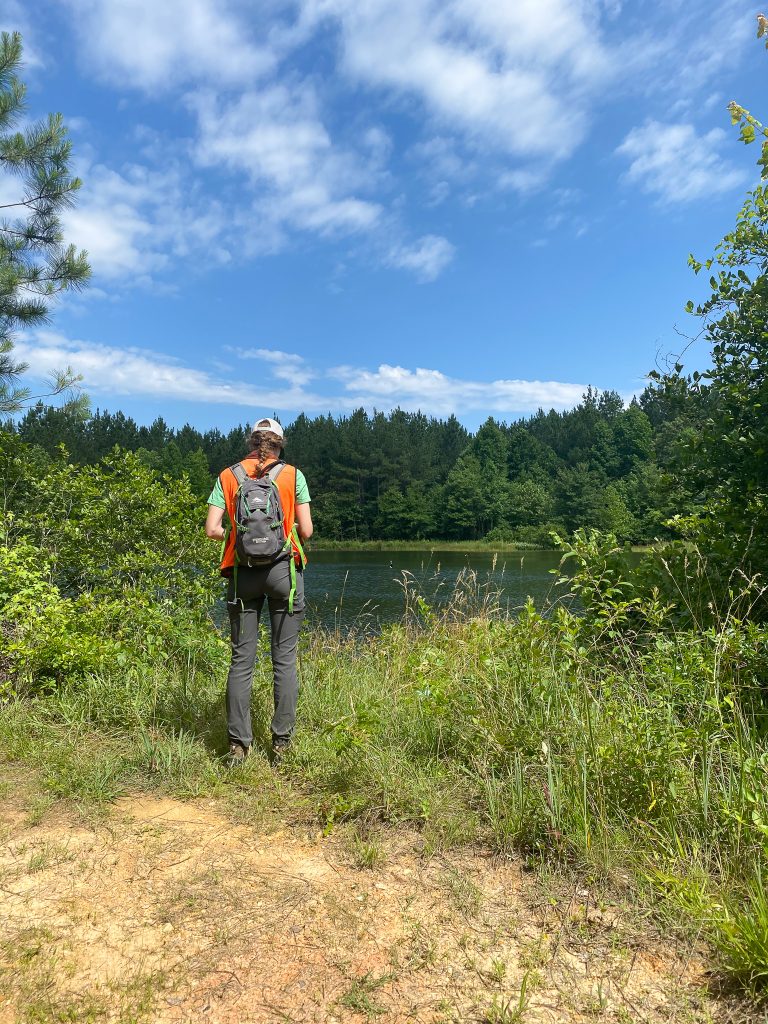
Summer Intern, MC Murphy, monitoring Flatwood Farm
Each year, CTNC’s Land Protection Director, Rusty Painter, and his summer interns travel to each property ─ from the Blue Ridge Parkway, to the Piedmont and on to the coast where we hold easements on Bald Head Island.
This is rewarding work, but requires significant resources to uphold our commitment to conserving land forever. The nearly $30,000 annual cost covers mandatory annual monitoring visits to each property, the technology needed to document conditions of properties, and the staff time necessary to defend property rights and conservation values if needed.
Legal Defense Upholds Our Commitment to Conservation
Unfortunately, our commitment to our protected properties will occasionally require legal action to stop imminent or ongoing threats to conservation land. As partners in protection of the property, this often means working with the landowner to defend the landowner’s property rights along with our conservation easement. An example might be a logging operation on a neighboring property that cuts timber from the protected property. The landowner and CTNC would pursue action as needed to recoup the lost timber value and ensure restoration of the protected property. While litigation in defense of an easement is rare, CTNC must be prepared to uphold our commitment to conservation.
“Property monitoring visits give staff and interns the opportunity to put boots on the ground, experience our conservation work first-hand, and sustain strong relationships with our landowner partners. Forming these lasting connections with the land and the people who love it is crucial to our stewardship work.”
Rusty Painter, CTNC Land Protection Director
Our annual monitoring ensures that CTNC-conserved lands remain intact, that established conservation agreements are followed, and that the natural and scenic value of these properties is preserved, forever. Building resilient, just communities starts with stewardship.
Little Glade Creek is Now a Permanent Piece of the Blue Ridge Parkway
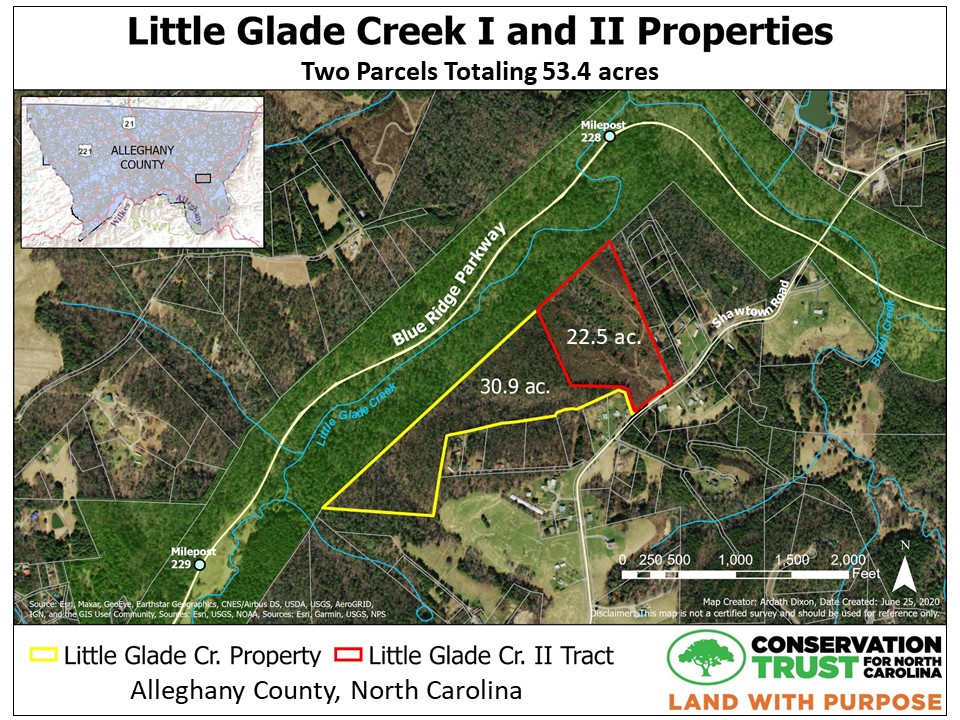
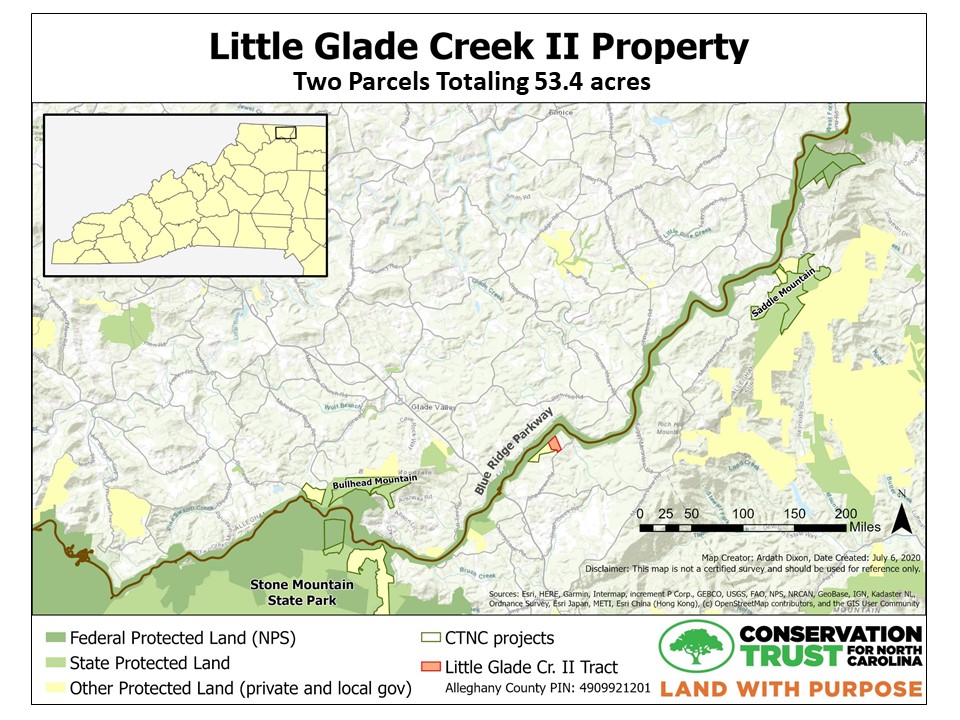
Little Glade Creek is a permanently protected portion of the Blue Ridge Parkway thanks to private donors and Conservation Trust for North Carolina (CTNC) supporters.
This quiet nook of the parkway along Little Glade Creek near Parkway milepost 228, approximately 2 miles north of Little Glade Mill Pond, enables forests on site to sequester carbon from the atmosphere. Prevention of development and impervious surfaces on the property will reduce the potential for flooding of Little Glade Creek.
Drivers along the Parkway benefit from this protection, particularly during leaf-off seasons when development on the property would have disrupted the beautiful vistas and treelines.
“North Carolina is one of the most rapidly developing states in the country and we need to protect all the open space we can,” said Rusty Painter, CTNC’s Land Protection Director. “Protecting land today ensures future generations can enjoy nature in our state.”
Protection of this property furthers CTNC’s efforts to widen the narrow corridor of protected land between Bullhead Mountain and Stone Mountain State Parks to the south and Saddle Mountain/Mitchell River Game Lands to the north. Its addition to the Parkway further enhances the Parkway’s ability to serve as a south-to-north migration corridor for species seeking a cooler climate in more northern latitudes.
CTNC purchased two adjoining properties to protect a 53-acre tract. This project shows how the protection of one property can lead to saving of others around it, amplifying the conservation benefit. CTNC transferred both tracts to the National Park Service (NPS) in fall 2022 for incorporation into the boundary of the Blue Ridge Parkway.
Previous News:
Conservation Trust Expands Protection along Little Glade Creek and the Blue Ridge Parkway
The property contains a spring that feeds Little Glade Creek near milepost 228. Both properties provide a scenic natural buffer along the Parkway and protect Little Glade Creek from negative impacts of development. Conservation of natural buffer land along creeks and streams preserves water quality and reduces flooding risks downstream. That is particularly important in the Yadkin River basin, a river system that supplies drinking water to almost one million downstream residents in 21 counties and 93 municipalities in North Carolina.
CTNC’s purchase of the property was made possible entirely by a generous price reduction offered by the sellers and a contribution from a North Carolina couple with a passion for the Blue Ridge Parkway.
“Our family is very pleased to work with Conservation Trust to protect our property. Their work aligns with our hopes and vision for ensuring the land remains in its natural state. We are proud of the work the Conservation Trust is doing to use this land to extend the borders of the Blue Ridge Parkway, an amazingly beautiful road and a national treasure.”
Lynne Drewes
“CTNC’s Little Glade Creek project adjoins the Skunk Cabbage Wetland along the Blue Ridge Parkway,” added CTNC Executive Director Chris Canfield. “Ensuring this land will never be developed, logged or otherwise degraded augments the protection of this wetland that’s already provided by the National Park Service.”
NC African American Heritage Commission and CTNC: A partnership built on cultural preservation and land conservation
North Carolina’s Black history and culture is rich and diverse; broad and deep. We have a responsibility to know, celebrate, and protect sites of cultural significance — and the stories and memories that they carry — to gain a greater understanding of the realities of the African American Experience in North Carolina.
*Click the double arrows in the top left-hand corner to view a legend and reveal more locations*
By better understanding their mutual interests, cultural preservation and land conservation organizations can work more diligently to build relationships and collaboration efforts that meet shared goals, and benefit diverse communities across the state. North Carolina lands hold a deeply-rooted history of African American and Black experiences dating back centuries. Throughout our 100 counties, our land holds the stories of significant African American heritage sites along the Underground Railroad to the Civil Rights Movement, once-segregated parks and beaches, Rosenwald School sites, and much more.
Our history is directly tied to land and people’s relationship to land.
CTNC and AAHC have collaborated on projects for several years to educate advocates and supporters to the importance of our shared goals for land preservation and conservation. In order to effectively conserve land for community benefits, we must understand how people’s relationship with these places have been formed over time.
This map can be used as a tool for people across the state to elevate our awareness of rich African American heritage and culture. The map will also serve to help cultural preservation and land conservation organizations better visualize the connections between African American cultural assets and natural resource values of land.
An Iterative and Collaborative Process
Through this map, we hope North Carolinians can explore their own understanding of land and culture and learn about new experiences they never knew.
We also acknowledge that this map is not complete. If you know of a significant African American cultural site that should be included, please contact us. We empower our network to help make this tool a robust resource to all North Carolinians so we can expand our collective knowledge of our past. By learning about the connection between people, place, and cultural histories, we can all do our part to make land conservation more equitable and inclusive in an effort to achieve a more resilient North Carolina.
Latest Donations to Expand Conserved Area Surrounding Waterrock Knob
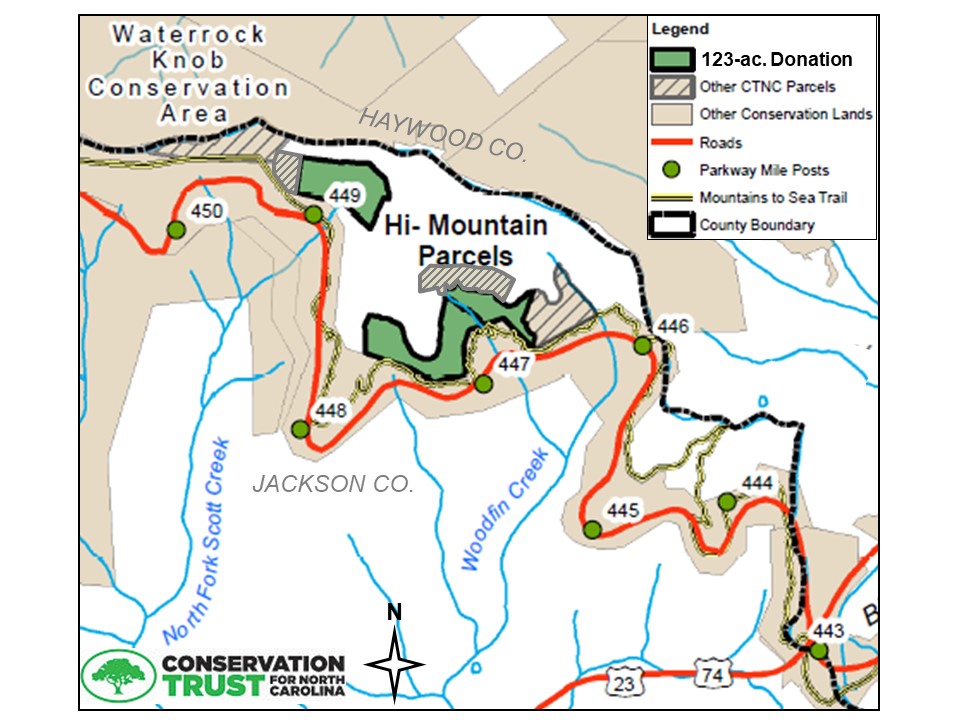
Raleigh, N.C. – Conservation Trust for North Carolina recently donated three properties totaling 123-acres to the National Park Service (NPS) for addition to the Blue Ridge Parkway. The land, made up of three tracts, contains a significant section of Woodfin Creek upstream of the Woodfin Cascades, between Parkway mileposts 446 and 450 in Jackson County. Each of the tracts adjoin other properties protected by CTNC that will also be donated to NPS for inclusion in the Blue Ridge Parkway.
The Mountains-to-Sea Trail, which hikers can access directly off the Parkway at Woodfin Cascades Overlook, hugs the boundary of two of the tracts. The third property rises to 6,000-feet elevation and hosts a healthy population of native spruce. All of the land is highly visible from Waterrock Knob and is part of a growing area of protected public land around Waterrock Knob near Cherokee and the southern terminus of the Parkway.
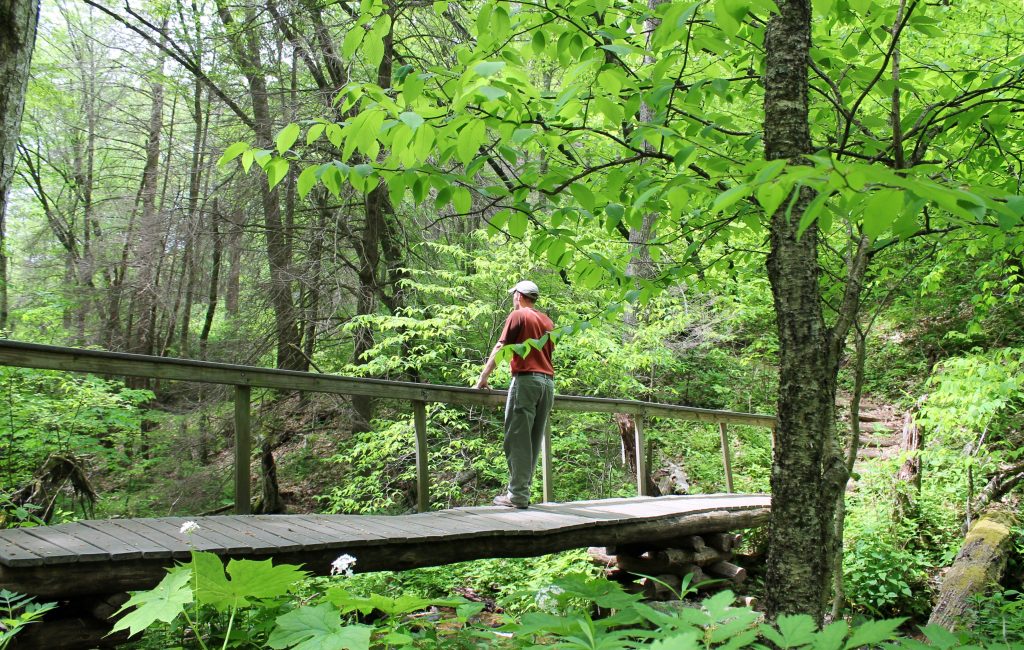
Hiker stands on a bridge along the MST.
“This is a region that attracts millions of visitors each year due to its natural beauty and unique heritage, said Conservation Trust for NC’s executive director Chris Canfield. “Our partnership with the National Park Service, local communities, and other land conservation organizations ensures all these qualities will endure for generations.”
CTNC owns three more adjoining properties that will also be donated to the NPS and has already donated four others in the immediate area totaling 205 acres. These transactions are part of a collaborative effort to bolster the area’s resilience to climate change, protect water quality in the Little Tennessee River basin, and strengthen the local economy by expanding tourism and outdoor recreation opportunities.
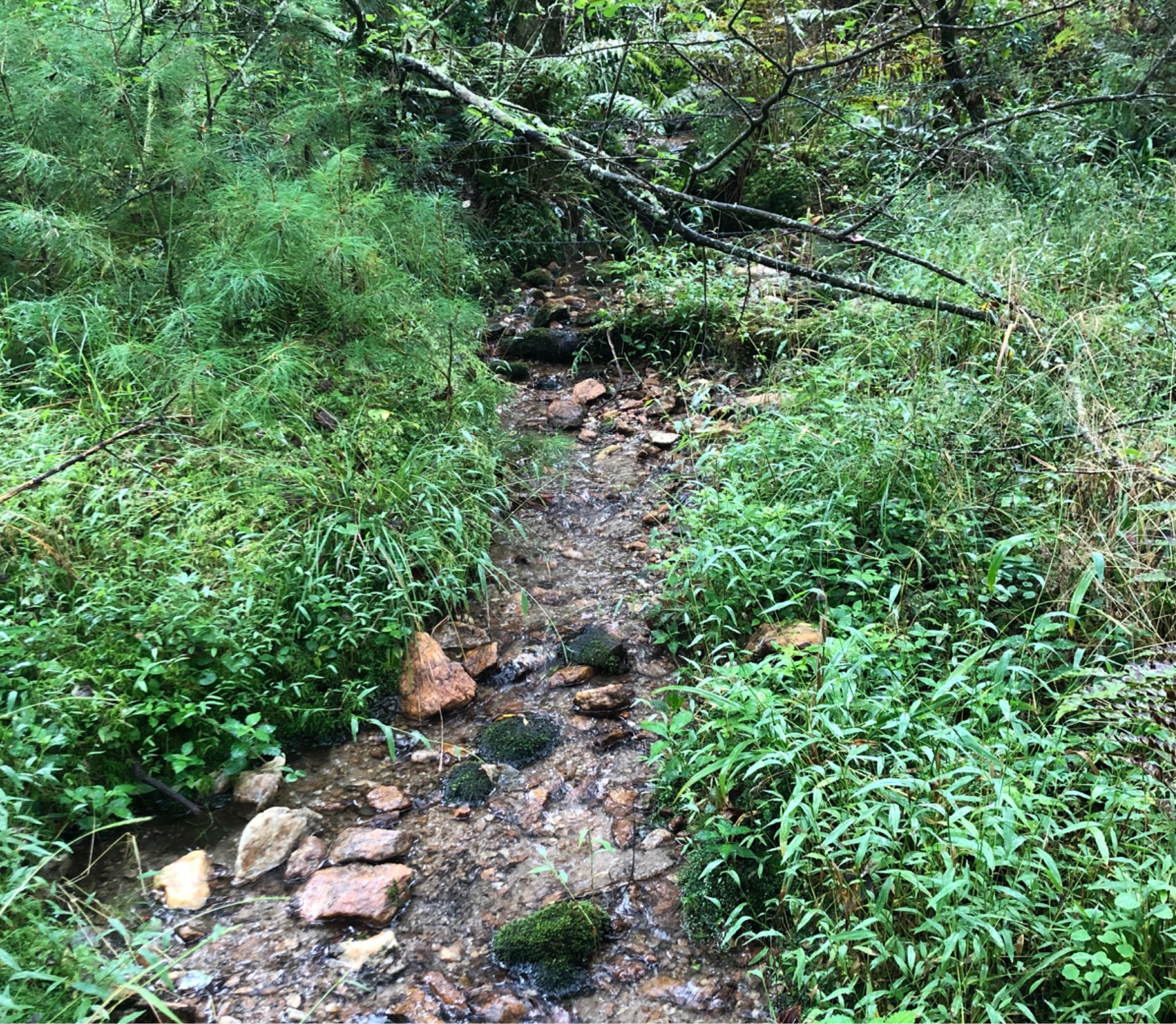
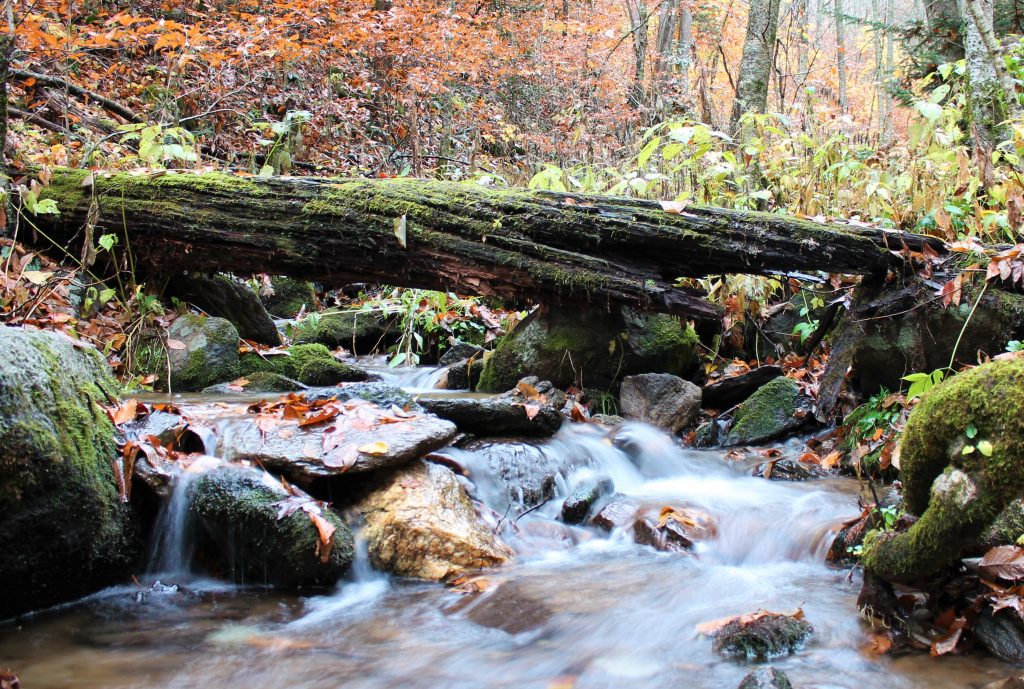
A creek found on the low-elevation tract of the property
“We are proud to have partners like the Conservation Trust for North Carolina who value the preservation of land for the protection of imperiled natural communities and for the enjoyment of future generations,” said Acting Blue Ridge Parkway Superintendent Neal Labrie. “We are happy to do this important work together.”
Conservation Trust purchased these properties in 2013 below appraised value. In addition to the seller’s generous donation, the purchase was made possible by Fred and Alice Stanback of Salisbury, N.C.
This website uses cookies to improve your experience. We'll assume you're ok with this, but you can opt-out if you wish. Cookie settingsACCEPT
Privacy & Cookies Policy
Privacy Overview
This website uses cookies to improve your experience while you navigate through the website. Out of these cookies, the cookies that are categorized as necessary are stored on your browser as they are as essential for the working of basic functionalities of the website. We also use third-party cookies that help us analyze and understand how you use this website. These cookies will be stored in your browser only with your consent. You also have the option to opt-out of these cookies. But opting out of some of these cookies may have an effect on your browsing experience.
Necessary cookies are absolutely essential for the website to function properly. This category only includes cookies that ensures basic functionalities and security features of the website. These cookies do not store any personal information.